Everything we thought we knew about Millennials was wrong.



A millennial born after 1981 but before 1996 (according to the definition of Millennials used by the Pew Research Center) made a shocking confession this week.
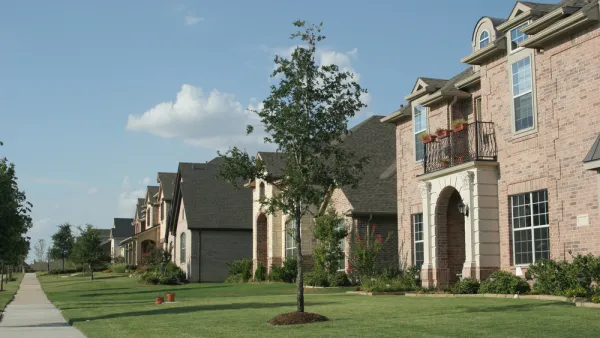
"I was born in the suburbs," said the first lines of a social media post written by a Millennial on Tuesday. "And my parents are baby boomers," the post continued.
The confession has many experts heading back to the drawing board for new ideas on how to interpret Millennials. Conventional wisdom pegged Millennials as urban types, either too lazy to look up from their phones or perpetrating a massive grassroots movement to increase property taxes and ruin the neighborhood.
Further confusing the emerging, more nuanced narrative, other Millennials have since come forward with similarly outrageous admissions, like that they're adults, and that they've started their own families.
The Millennial also reports they are on good terms with their Baby Boomer parents, still enjoying numerous bonding activities throughout the year, hugging warmly, and saying "I love you" at the end of frequent phone calls.
FULL STORY: Millennial Confesses: I Was Born in the Suburbs and My Parents Are Baby Boomers


Study Finds Seniors Could Be Stuck with Unsellable Homes in the Future
A new paper predicts that home-buying trends among younger generations will lead to a flood of homes that older homeowners will not be able to sell.
Affordable Housing Challenges in Beltway Suburbs
More people are moving to suburban counties, but a lack of affordable housing in places such as Loudon County, Virginia, means the suburbs are not an option for a growing number of people.

Tough Market for Luxury Ranches? Blame Generational Differences
Ranches aren't the only segment of the luxury market having a hard time selling at asking price.

Planetizen Federal Action Tracker
A weekly monitor of how Trump’s orders and actions are impacting planners and planning in America.

The state-sanctioned urbicide of Austin
People don’t kill cities. Freeways do.

US to reduce Colorado River water deliveries to Mexico
A new Colorado Treaty amendment reduces Mexico’s Colorado River water allocation by 250,000 acre feet.

Mamdani overhauls NYC's Vision Zero plan with 100 new policy goals
The overhaul aims to reduce traffic deaths and make streets safer for pedestrians, cyclists and drivers through lower speed limits, new safety infrastructure and more.

Amtrak not solely to blame for New Jersey commuter rail's unreliability, report finds
A new study from the Garden State Initiative found that NJ Transit’s budget grew 20% across a 4 year period, but reliability declined significantly over the same period.

EPA erases limits on planet-warming pollution from power plants
Under Monday’s plan, power plants would still have some limits on how much mercury, arsenic and other contaminants they can emit.

FREE Course: Walkable City 1: Why Walkability?
After describing his path towards focusing on walkability as the essence of good planning, Jeff Speck marches through his five principal reasons for making more walkable places.
Reinventing Malls: Planning Alchemy—Turning Gray Fields Into Gold
The course focuses on the opportunities and imperatives that shape reinvention of mall sites.

Eagle County Government
Harvard University Graduate School of Design
Nashville Planning Department
The Architects Foundation
University of Cincinnati Online
The Pocatello Development Authority
The Urban Renewal Agency of the City of Pocatello
Journal of the American Planning Association