To combat displacement, Glendale authorized a new ordinance requiring that landlords offer year-long leases to existing tenants and capping rent hikes.



Rents in Glendale may go up next year, but there's good news for some renters. After contentious arguments, the Glendale City Council agreed to a new ordinance to grant new rights to renters. "Now, after a two-month rent freeze, the city council has approved an ordinance that requires landlords to offer existing tenants an additional one-year lease on their apartments, rather than defaulting to a month-to-month agreement, and to pay for relocation costs if they plan to raise the rent by more than 7 percent," Jared Brey writes for Next City.
While landlords complain this regulation creates an unnecessary burden, tenant’s rights groups complain the law doesn't go far enough. "The policy that the Tenants Union drafted would have capped rent increases at 4 percent per year and established a rental review board to oversee enforcement of tenancy laws," Brey writes. The city had previously considered rent control before arriving at this right-to-lease policy.
FULL STORY: This California City Now Guarantees All Tenants a ‘Right-to-Lease’

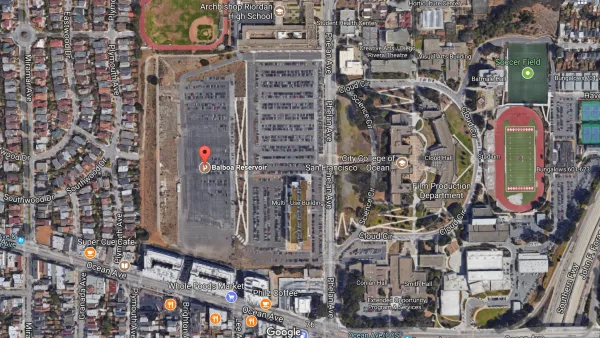
Density Debate Fills San Francisco's Balboa Reservoir
Developers, neighbors, and housing advocates are debating the fate of the Balboa Reservoir. Their visions for how many units should be built there range from 680 to 1,245.

Apartments Zoned Out of Near North Side Chicago Train Stations
Zoning around Chicago's public transit in relatively affluent areas won't allow for density or any kind of housing other than single family homes.
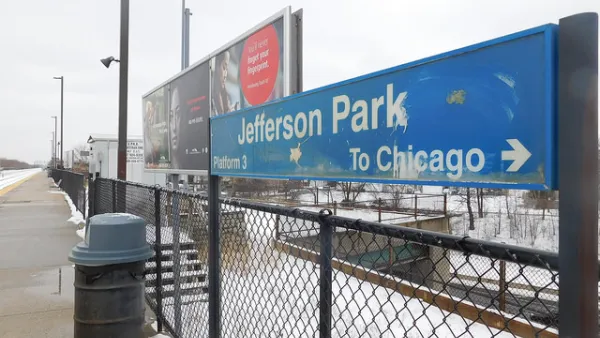
Mixed-Income Development in Chicago's Jefferson Park Faces Protest
A development on Chicago's Northside faces protests and picketers who don't want new density, height, or low income residents.

Planetizen Federal Action Tracker
A weekly monitor of how Trump’s orders and actions are impacting planners and planning in America.

The state-sanctioned urbicide of Austin
People don’t kill cities. Freeways do.

US to reduce Colorado River water deliveries to Mexico
A new Colorado Treaty amendment reduces Mexico’s Colorado River water allocation by 250,000 acre feet.

5 New England states march closer to 800 megawatt wind energy project
Securing federal approval for the project may be complicated under the Trump administration, which has historically been hostile towards domestic wind power.

Baltimore to break ground on $50 million Transit Priority Project
The project will bring faster bus trips, safer streets and better bike connections to Baltimore.

Airbnb launches $250 million 'last-dollar financing' housing accelerator, makes first investment in Austin
The company will put $6.4 million towards affordable housing development in Texas’ capital.

FREE Course: Walkable City 1: Why Walkability?
After describing his path towards focusing on walkability as the essence of good planning, Jeff Speck marches through his five principal reasons for making more walkable places.
Reinventing Malls: Planning Alchemy—Turning Gray Fields Into Gold
The course focuses on the opportunities and imperatives that shape reinvention of mall sites.

Eagle County Government
Harvard University Graduate School of Design
Nashville Planning Department
The Architects Foundation
University of Cincinnati Online
The Pocatello Development Authority
The Urban Renewal Agency of the City of Pocatello
Journal of the American Planning Association