Only from learning more about the choices and preferences of people who actually ride transit can transit agencies hope to better serve riders.


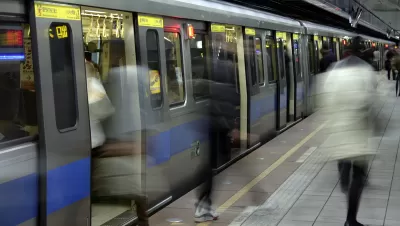
"Excuses abound for falling transit ridership in American cities. Transit agencies have blamed the growth of Uber and Lyft, an expanding economy, falling gas prices, and cheap car loans for recent declines in bus and rail ridership. These explanations describe real forces buffeting the nation’s transit systems, but they don’t tell the full story."
That's the premise for a post sharing new survey data from TransitCenter. The "Who's on Board 2019" report surveyed 1,700 transit riders in seven U.S. cities to ask about changing ridership habits and how transit agencies can win back riders.
The post offers insight into the changing habits of transit riders, including fewer "all-purpose riders," more competition from private cars, and low-income people moving deeper into the suburbs (and farther away from transit).
In a separate article, Angie Schmitt follows up on the report, including a few words the big idea for transit agencies trying to win back riders: better service.
Read the full story: Who’s on Board? Riders Explain Why They’re Using Transit Less — And How to Win Them Back

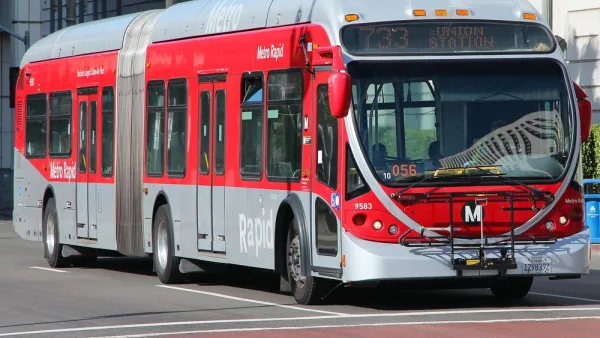
Causes of the Pre-COVID Decline in Bus Ridership
Even before the effects fo the coronavirus pandemic drastically reduced ridership, transit riders were declining in cities across the country. The reasons for the downward trend were varied.
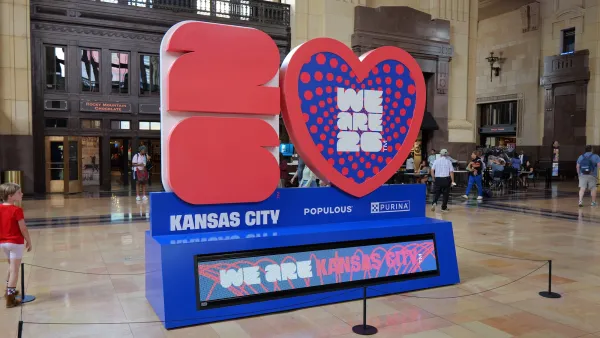
World Cup crowds offer 'stress test' for Kansas City transit planners
Transportation officials are closely monitoring travel patterns during the World Cup to understand how the city's transit system can be improved as the population grows.
Weekend ridership on LA's D Line surged 80% after extension opened
World Cup attendees took roughly 45,000 rides to and from the first two games at the Los Angeles Stadium.

Planetizen Federal Action Tracker
A weekly monitor of how Trump’s orders and actions are impacting planners and planning in America.

The state-sanctioned urbicide of Austin
People don’t kill cities. Freeways do.

US to reduce Colorado River water deliveries to Mexico
A new Colorado Treaty amendment reduces Mexico’s Colorado River water allocation by 250,000 acre feet.

Nation's most wind-powered state turns to coal as data centers increase energy demand
For the first time in decades, Iowa has increased its generation of coal power.

NYC cools commuters with city's first rain garden above a bus stop
New York City officials say the plants in the rain garden can absorb 16 gallons of rainwater during heavy storms.

Brightline West’s future may rely on $6 billion federal loan
The company has until Nov. 2 to make a $400 million equity investment into its proposed high-speed rail line.

FREE Course: Walkable City 1: Why Walkability?
After describing his path towards focusing on walkability as the essence of good planning, Jeff Speck marches through his five principal reasons for making more walkable places.
Reinventing Malls: Planning Alchemy—Turning Gray Fields Into Gold
The course focuses on the opportunities and imperatives that shape reinvention of mall sites.

Eagle County Government
Harvard University Graduate School of Design
Nashville Planning Department
The Architects Foundation
University of Cincinnati Online
The Pocatello Development Authority
The Urban Renewal Agency of the City of Pocatello
Journal of the American Planning Association