Take a sneak peak at a potential future.


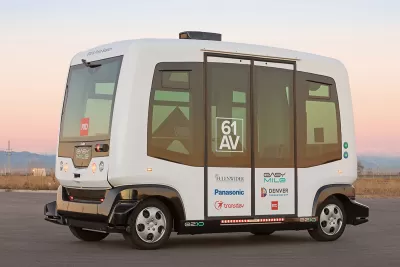
Jon Murray reports on the debut of a driverless shuttle, working a free circular route operated by Denver's Regional Transportation District.
The 61AV, as the route is called, runs every 15 minutes from 10 a.m. to 6 p.m. on weekdays, mostly using public streets, according to Murray. "It connects the 61st Avenue and Peña Boulevard commuter rail station to … well, not much — at least not yet."
"But there’s a long way to go before shuttles such as the six-seat EZ10 designed by EasyMile, a French company that placed its U.S. headquarters in Denver, are common sights on urban streets," according to Murray.
The long road ahead is apparent in the modest scope of 61AV. The route is considered a "low-pressure testing ground" for lessons in the role autonomous vehicles can play in addressing first-last mile obstacles. In fact, "[t]he goal with the pilot is not to attract a large ridership, though new apartments are set to open soon at one stop."
The feature-length article includes more details on the ambitions of the project, how the driverless shuttle works, and expectations for humans to adopt this new mobility technology.
Read the full story: Self-driving shuttle offers Denver a glimpse of its future — but will riders jump on board?
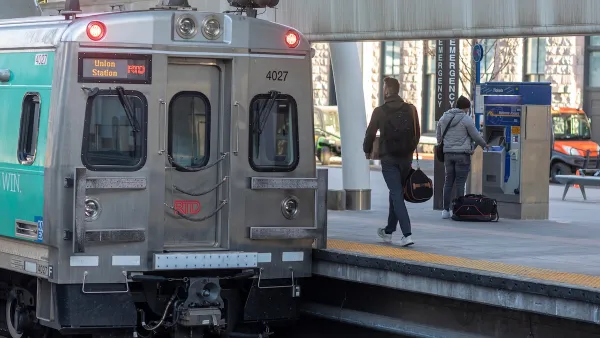
Denver city council candidate hopes to transform transit lots into housing
Denver’s Regional Transportation District’s parking lots have vacancy rates around 80%.
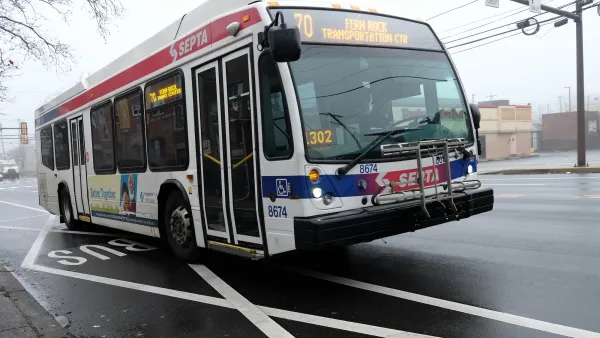
Pennsylvania lawmaker wants to ban fully self-driving buses
State Rep. Ben Waxman's proposed bill would require autonomous buses to have a licensed driver on board.
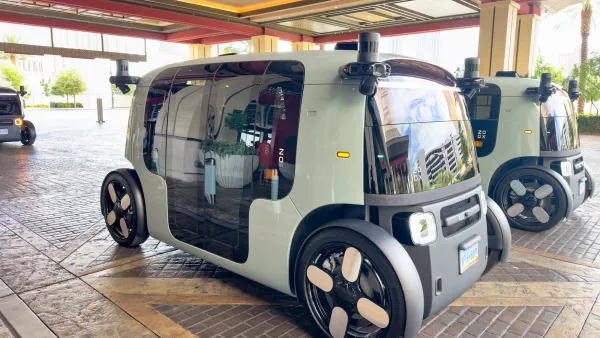
Amazon's steering wheel- and brake pedal-less Zoox robotaxis receive nation's first go-ahead for paid public rides
The NHTSA is giving a temporary permit to some autonomous cars that don't meet current safety standards as it develops a new framework for self-driving vehicles.

Planetizen Federal Action Tracker
A weekly monitor of how Trump’s orders and actions are impacting planners and planning in America.

Washington state to charge fee to drivers with fuel-efficient cars
Revenue from the fee will go towards supporting the state’s highways.

Study reveals best places in the U.S. for cycling, walking
New research from Streetlight Data examines bicycle and pedestrian miles per capita in the 100 largest U.S. cities by population.

Mamdani unveils his ‘most ambitious bus lane project’ so far
The city has added two new bus lanes, which it expects to speed up tens of thousands of bus riders’ commutes.

New Jersey and New York suggest $10.3 billion budget for transit
Some of the budget is dedicated to replacing Manhattan's Midtown Bus Terminal.

States split over EPA’s proposal to drop greenhouse gas rules for power plants
The proposed rule drew over 165K comments, including from officials, health and environmental groups, and private citizens.

FREE Course: Walkable City 1: Why Walkability?
After describing his path towards focusing on walkability as the essence of good planning, Jeff Speck marches through his five principal reasons for making more walkable places.
Reinventing Malls: Planning Alchemy—Turning Gray Fields Into Gold
The course focuses on the opportunities and imperatives that shape reinvention of mall sites.

City of Charlotte
City of Rosemead
Rutgers University, Edward J. Bloustein School of Planning and Public Policy
University of Michigan School for Environment and Sustainability (SEAS)
Hunter College, City University of New York (CUNY)
The Architects Foundation
University District Partnership
City of Cambridge
The Pocatello Development Authority