Examining Portland and Seattle's much-talked-about systems, the authors highlight the importance of treating streetcars as a viable transport option, rather than just a means to stimulate development.


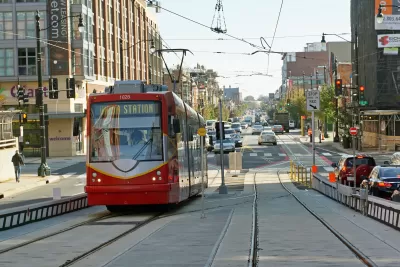
According to a report on two "pioneer cities" of the streetcar revival, "simply laying down trolley tracks to replace buses won’t bring development to those places unless other incentives are in place," Ashley Halsey III writes.
Looking at commercial and residential development permits issued in Portland and Seattle following streetcar construction, the researchers found "mixed results." Streetcars, they write, do not guarantee additional development opportunities, and the development that does occur often differs from what planners and policymakers initially envisioned.
"Although a streetcar may help stimulate development, there often need to be additional incentives that might include zoning changes, streetscape improvements, investment in public spaces, and tax and financing help," Halsey summarizes. It also helps to integrate streetcars into existing transit systems.
In a word, streetcar projects should be evaluated based on their effectiveness as transportation first, before the whims of the real estate market come into play.
FULL STORY: Are streetcars paving the way for urban development? A study says maybe.

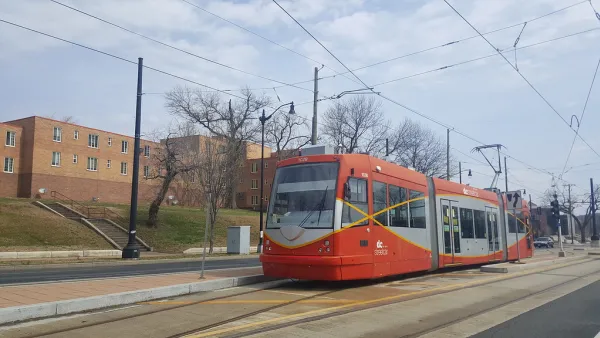
Research Casts Doubt on the Economic Development Clout of Streetcar Investments
New research is ambivalent about the potential for streetcar investments to reap promised economic development rewards.
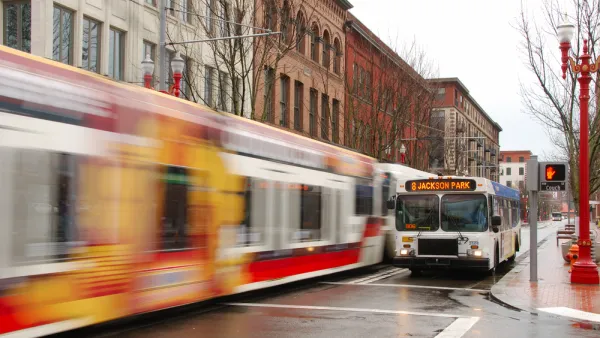
Rail Transit: You Get What You Pay For
Seattle Transit blog compares rail investments from five cities around the country.
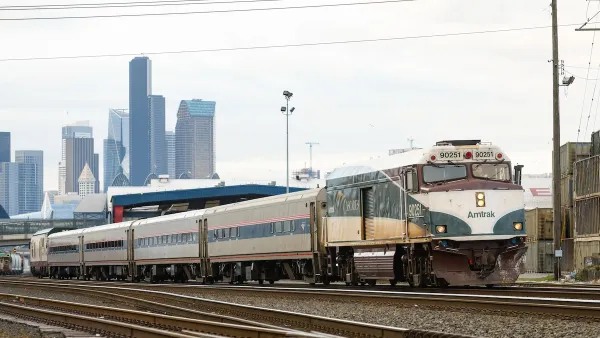
Amtrak Cascades Line Breaks Ridership Record
The route linking Portland, Seattle, and Vancouver, BC served nearly one million riders in 2024.

The state-sanctioned urbicide of Austin
People don’t kill cities. Freeways do.

US to reduce Colorado River water deliveries to Mexico
A new Colorado Treaty amendment reduces Mexico’s Colorado River water allocation by 250,000 acre feet.

New Jersey’s second-largest city bans standalone data centers
Jersey City will continue to allow co-location facilities, such as those meant for research institutions that store their own data.

Amtrak not solely to blame for New Jersey commuter rail's unreliability, report finds
A new study from the Garden State Initiative found that NJ Transit’s budget grew 20% across a 4 year period, but reliability declined significantly over the same period.

EPA erases limits on planet-warming pollution from power plants
Under Monday’s plan, power plants would still have some limits on how much mercury, arsenic and other contaminants they can emit.

Phoenix announces new on-demand transit service, more frequent RAPID buses
Both new services will launch in October, and are part of Phoenix's Project Effective Access Solutions for Easing Congestion.

FREE Course: Walkable City 1: Why Walkability?
After describing his path towards focusing on walkability as the essence of good planning, Jeff Speck marches through his five principal reasons for making more walkable places.
Reinventing Malls: Planning Alchemy—Turning Gray Fields Into Gold
The course focuses on the opportunities and imperatives that shape reinvention of mall sites.

Eagle County Government
Harvard University Graduate School of Design
Nashville Planning Department
The Architects Foundation
University of Cincinnati Online
The Pocatello Development Authority
The Urban Renewal Agency of the City of Pocatello
Journal of the American Planning Association