David Alpert and DW Rowlands of Greater Greater Washington share their hopes for a planned review of D.C.'s bus system.


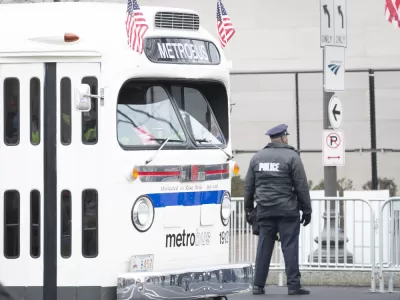
WMATA is launching a holistic study aimed at broadly rethinking the agency's approach to bus service. Led by AECOM, Boston Consulting Group, and Foursquare ITP, the "Bus Transformation Project" marks a reorientation within the agency from rehabilitating a troubled rail system to improving and expanding its bus network, say Greater Greater Washington's David Alpert and DW Rowlands.
In the first post of a new series on the subject, Alpert and Rowlands offer seven priorities to guide the year-long study—including system integration, fare restructuring, and adoption of new technology. They also urge WMATA not to cut services, but to find cost-savings and revenue generation opportunities elsewhere.
"Buses represent the biggest opportunity to improve transit for more people, cost-effectively," they write. "Plus … [m]aking bus service much more than an afterthought can help close the gap in mobility options available to lower-income residents."
Read the full story: WMATA is looking to “transform” bus service in our region. Here are 7 ways to do it (and one not to)

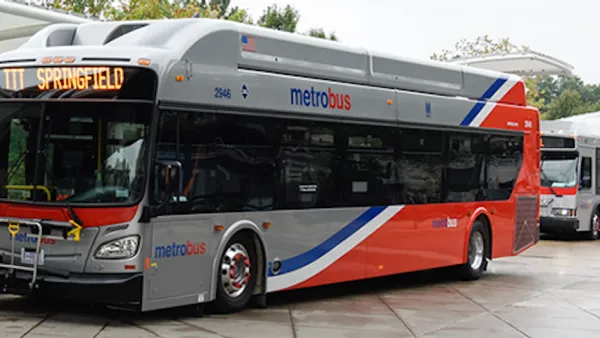
DC Launches 24/7 Bus Service
Starting December 17, 14 Metrobus routes will run around the clock to better serve essential workers and visitors.
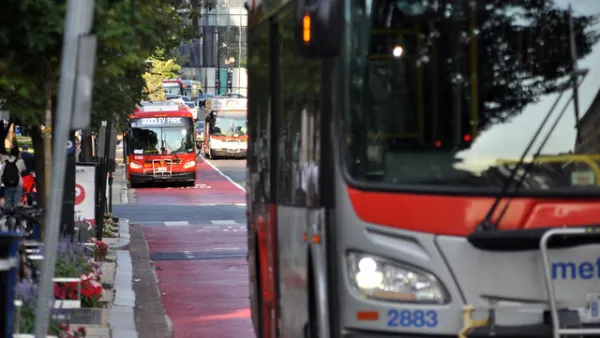
D.C. Buses to Begin All-Door Boarding
Some bus lines will start letting riders board through both front and back doors this fall as part of Metro’s efforts to improve service speed and reliability.
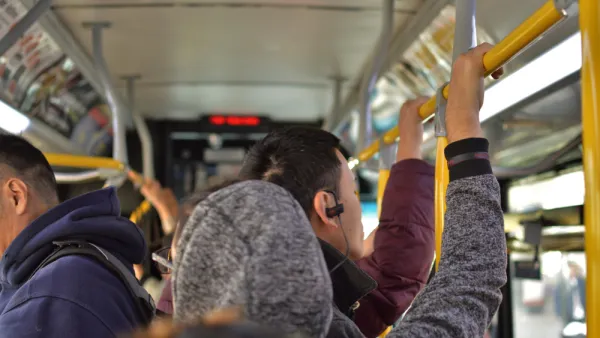
Report: Improved Service Key to Growing Bus Ridership
A NACTO report highlights the importance of bus-friendly policies and infrastructure for boosting ridership numbers and reducing urban congestion and pollution.

Planetizen Federal Action Tracker
A weekly monitor of how Trump’s orders and actions are impacting planners and planning in America.

California plans to bury El Niño’s downpour
If the state plays its cards right, it may be able to store a billion acre-feet of El Niño’s water in aquifers.

Desperate measures: Advocates weigh draining Lake Powell to fill Colorado River
Draining the reservoir could reduce evaporation losses by a couple hundred thousand acre-feet.

How a Chicago-sized wind farm beat the odds and powered on
The project spanned five presidential administrations and a standoff with a U.S. military base.

MTA gives itself 30 days to transform pit into basketball court
The site has been under construction since 2022; the city originally estimated it would finish the court in 2024.

Non-stop party: Chicago voters weigh permanent festival grounds
A stable place for bleachers, stages and drainage may streamline the setup and teardown of large events.

FREE Course: Walkable City 1: Why Walkability?
After describing his path towards focusing on walkability as the essence of good planning, Jeff Speck marches through his five principal reasons for making more walkable places.
Reinventing Malls: Planning Alchemy—Turning Gray Fields Into Gold
The course focuses on the opportunities and imperatives that shape reinvention of mall sites.

City of Rosemead
Rutgers University, Edward J. Bloustein School of Planning and Public Policy
One Hundred Miles
Hunter College, City University of New York (CUNY)
The Architects Foundation
University of Cincinnati Online
City of Cambridge
Montrose County
The Pocatello Development Authority