The New York MTA is planning to shut down the L Train from Brooklyn to Manhattan in 2019, and renters in the area no longer find the area along the route as attractive.


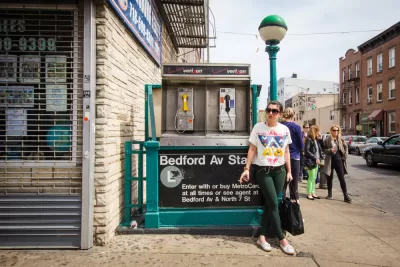
"Since the L train shutdown was announced in early 2016 there has been much hand wringing over what might happen to real estate along the affected route," according to an article by John Surico. "But for close to two years, not much happened. The area’s already-inflated prices just continued to grow and grow, as they have largely done citywide."
Now, however, come signs that the L Train's closure has begun to impact housing prices.
According to findings from StreetEasy, a real estate company that crunched its own listings data over the last two years, the number of apartments available in Williamsburg has gone up by a quarter, outpacing demand—a telling sign that many residents have started to relocate. Nearly a third of apartments have received a price cut from landlords, and another 18 percent have seen concessions offered in the form of free rent. And it’s happening across the board, not just for the ultra-lux condos that have come to define the area.
After sharing those findings from the StreetEasy study, Surico sits down for an interview with Nancy Wu, StreetEasy economic data analyst, to discuss the study and its findings in more detail.
FULL STORY: Rent in Brooklyn Is Finally Kind of Sort of Going Down a Little Thanks to the L Train Shutdown

First Weekend of L Train Slowdown Could Have Been Worse
The long awaited repair work on the L Train between Brooklyn and Manhattan launched over the weekend.
How the New L Train Repair Plan Will Work
After the initial shock of Governor Andrew Cuomo's cancellation of the planned L Train closure subsided, analysis and commentary rolled in.
Breaking: Gov. Cuomo Cancels L Train Closure
Surprise, shocking news from New York City, as Governor Andrew Cuomo steps in at the 11th hour to change course on the highly anticipated (and dreaded) L Train closure scheduled to begin later this year.

Planetizen Federal Action Tracker
A weekly monitor of how Trump’s orders and actions are impacting planners and planning in America.

The state-sanctioned urbicide of Austin
People don’t kill cities. Freeways do.

US to reduce Colorado River water deliveries to Mexico
A new Colorado Treaty amendment reduces Mexico’s Colorado River water allocation by 250,000 acre feet.

Mamdani overhauls NYC's Vision Zero plan with 100 new policy goals
The overhaul aims to reduce traffic deaths and make streets safer for pedestrians, cyclists and drivers through lower speed limits, new safety infrastructure and more.

Amtrak not solely to blame for New Jersey commuter rail's unreliability, report finds
A new study from the Garden State Initiative found that NJ Transit’s budget grew 20% across a 4 year period, but reliability declined significantly over the same period.

EPA erases limits on planet-warming pollution from power plants
Under Monday’s plan, power plants would still have some limits on how much mercury, arsenic and other contaminants they can emit.

FREE Course: Walkable City 1: Why Walkability?
After describing his path towards focusing on walkability as the essence of good planning, Jeff Speck marches through his five principal reasons for making more walkable places.
Reinventing Malls: Planning Alchemy—Turning Gray Fields Into Gold
The course focuses on the opportunities and imperatives that shape reinvention of mall sites.

Eagle County Government
Harvard University Graduate School of Design
Nashville Planning Department
The Architects Foundation
University of Cincinnati Online
The Pocatello Development Authority
The Urban Renewal Agency of the City of Pocatello
Journal of the American Planning Association