Roughly two-thirds of respondents to an REI Co-op survey said they would ride bikes more if protected bike lanes and other safety measures were more prevalent in their communities.


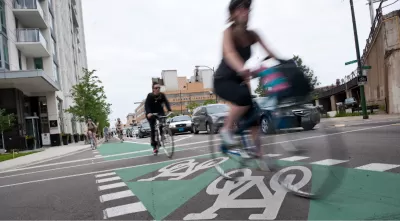
A consumer study from outdoor retailer REI Co-op highlights barriers to active transportation participation that transportation planners can use to fill gaps in service networks and encourage more multimodal transportation.
Unsurprisingly, “The majority of respondents, 68%, said their frequency of bike trips would increase if dedicated infrastructure were present, while 62% expressed it’s hard to find safe infrastructure for active transportation in their respective cities.”
The study highlights the federal Active Transportation Infrastructure Investment Program (ATIIP), which aims to enhance active transportation infrastructure and connect active transportation facilities with transit. “This holistic approach reduces carbon emissions and fosters equitable transportation options across diverse communities.” The study indicates that these improvements could encourage more people to use multimodal transportation.
Read the full story: REI Co-op Study Illuminates Gap in Active Transportation Participation

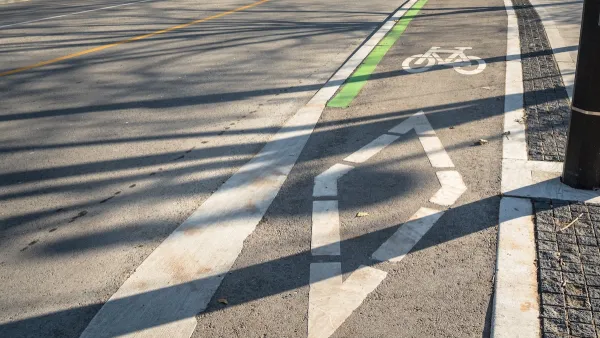
A Troubling Trend of Backlash to Bike Lanes
Some cities are going so far as to rip out protected bike infrastructure that took years of advocacy to build.

The 5 Safest Cities for Cyclists in America — and What They Have in Common
Cities with low fatality rates for people on bikes have made strong commitments to building safe, protected bike networks and supporting Complete Streets.
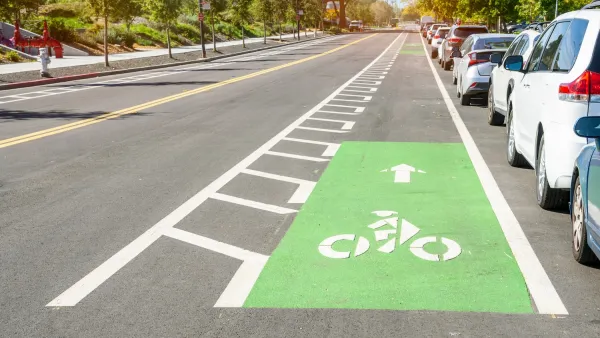
Why Bike Lanes Are Good: An Explainer for the US Transportation Secretary
Sean Duffy says there’s no evidence that bike lanes have benefits. Streetsblog — and federal agencies’ own data — beg to differ.

Planetizen Federal Action Tracker
A weekly monitor of how Trump’s orders and actions are impacting planners and planning in America.

California plans to bury El Niño’s downpour
If the state plays its cards right, it may be able to store a billion acre-feet of El Niño’s water in aquifers.

Desperate measures: Advocates weigh draining Lake Powell to fill Colorado River
Draining the reservoir could reduce evaporation losses by a couple hundred thousand acre-feet.

California city breaks ground on transit connector
The project includes three mobility hubs and a pedestrian bridge.

After public outcry, Massachusetts city releases housing development tracker
Cambridge’s tracker currently shows 250 housing projects in various stages of development.

40 years after approval, Chicago breaks ground on new park
The park honors Jean Baptiste Point du Sable, the city’s first permanent non-native settler.

FREE Course: Walkable City 1: Why Walkability?
After describing his path towards focusing on walkability as the essence of good planning, Jeff Speck marches through his five principal reasons for making more walkable places.
Reinventing Malls: Planning Alchemy—Turning Gray Fields Into Gold
The course focuses on the opportunities and imperatives that shape reinvention of mall sites.

City of Rosemead
Rutgers University, Edward J. Bloustein School of Planning and Public Policy
One Hundred Miles
Hunter College, City University of New York (CUNY)
The Architects Foundation
University of Cincinnati Online
City of Cambridge
Montrose County
The Pocatello Development Authority