The program supports nonprofits and other groups who want to build parklets and outdoor dining spaces on public right-of-way.


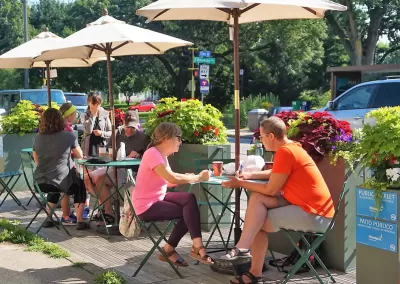
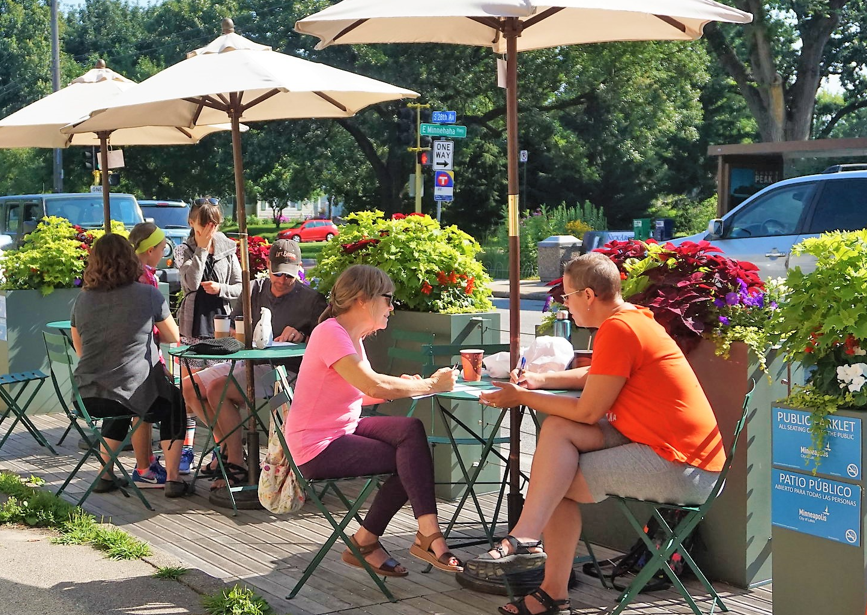
The city of Minneapolis is seeking local nonprofits, community groups, and businesses to build and maintain parklets and outdoor dining areas for the 2024 warm season, reports Zach White in Hoodline.
“The city's invitation is open wide – neighborhood groups, street-level shops, non-profits, community collectives, and Special Services Districts are all welcome to join the fray. Minneapolis is playing a bit of a matchmaker here, looking for three comrades to team up with for their City-owned parklets, complete with all the bells and whistles - from structures to sunshades.”
Parklets, which grew out of the ‘PARKing Day’ movement that took over curbside parking spots and temporarily transformed them into neighborhood spaces and pocket parks, grew in popularity during the pandemic when the concept was adopted by restaurants seeking to provide outdoor dining while maintaining Covid-19 social distancing restrictions. Now, cities around the country are evaluating their regulations for these spaces and creating permanent programs.
FULL STORY: Minneapolis Seeks Partners to Energize Streets with Parklets and Street Cafés for 2024 Season

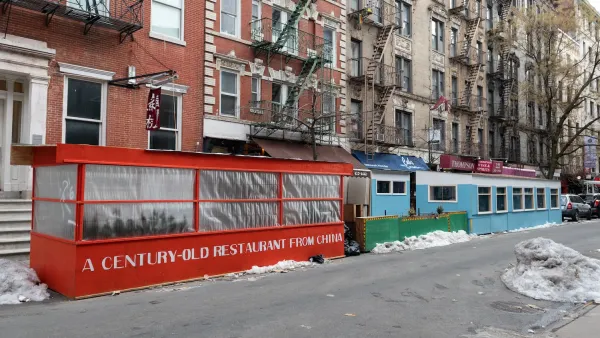
NYC Outdoor Dining Could Get a Re-Do
The city council is considering making the al fresco dining program year-round to address cost concerns from small businesses.
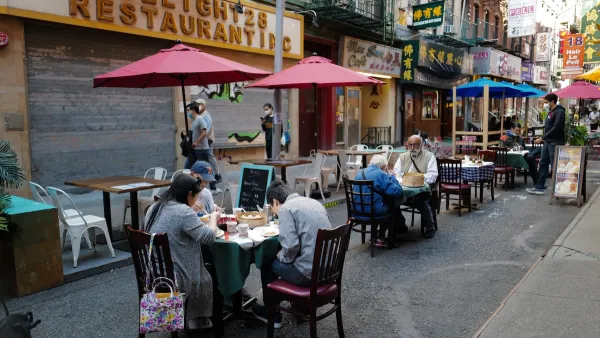
NYC Losing Many Outdoor Dining Areas Due to Expensive New Regulations
Restaurant owners say the city’s new outdoor dining program makes it too difficult and expensive to operate al fresco setups.
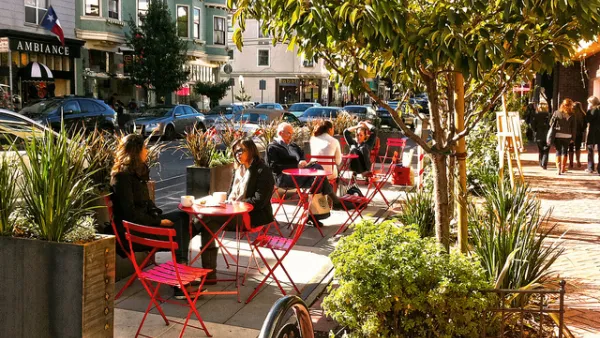
How Park(ing) Day Leads to Permanent Change
Small-scale interventions can lead the way to major parking reforms.

The state-sanctioned urbicide of Austin
People don’t kill cities. Freeways do.

US to reduce Colorado River water deliveries to Mexico
A new Colorado Treaty amendment reduces Mexico’s Colorado River water allocation by 250,000 acre feet.

New Jersey’s second-largest city bans standalone data centers
Jersey City will continue to allow co-location facilities, such as those meant for research institutions that store their own data.

Amtrak not solely to blame for New Jersey commuter rail's unreliability, report finds
A new study from the Garden State Initiative found that NJ Transit’s budget grew 20% across a 4 year period, but reliability declined significantly over the same period.

EPA erases limits on planet-warming pollution from power plants
Under Monday’s plan, power plants would still have some limits on how much mercury, arsenic and other contaminants they can emit.

Phoenix announces new on-demand transit service, more frequent RAPID buses
Both new services will launch in October, and are part of Phoenix's Project Effective Access Solutions for Easing Congestion.

FREE Course: Walkable City 1: Why Walkability?
After describing his path towards focusing on walkability as the essence of good planning, Jeff Speck marches through his five principal reasons for making more walkable places.
Reinventing Malls: Planning Alchemy—Turning Gray Fields Into Gold
The course focuses on the opportunities and imperatives that shape reinvention of mall sites.

Eagle County Government
Harvard University Graduate School of Design
Nashville Planning Department
The Architects Foundation
University of Cincinnati Online
The Pocatello Development Authority
The Urban Renewal Agency of the City of Pocatello
Journal of the American Planning Association