With hundreds of buses out of service and a mechanic shortage delaying repairs and maintenance, Seattle area bus riders will see significantly reduced service this summer.


With more than 40 percent of its bus fleet out of service for maintenance, King County Metro will be forced to cut routes and reduce service for months, reports David Kroman in The Seattle Times. “Metro has begun shaving routes and stops off its schedule months ahead of a planned September rollout of a pared-back network. And while the schedule now looks slimmer, in reality it’s only reflecting what riders have felt for months now in the form of last-minute cancellations or buses that never show up.”
According to Maggie Brubaker, deputy division director of vehicle maintenance, “Two hundred buses are sitting idle because they don’t have parts,” while the agency faces a shortage of mechanics and an aging fleet.
“An estimated 35% of Metro’s fleet is considered eligible for retirement, according to the agency’s long-range fleet planning. The federal government recently awarded Metro $33.5 million to buy new electric buses.” But the agency will still need to resolve labor disputes and recruit new hires to begin to reduce it staffing shortage.
FULL STORY: So many King County Metro buses are out of service, routes will be cut for months

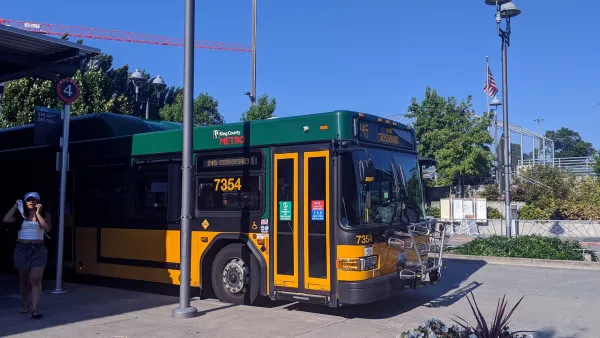
King County Metro adds 3,000 weekly bus trips, more connections to rail
King County Metro and Sound Transit are both making major adjustments to their bus networks to improve light rail connectivity across the region.
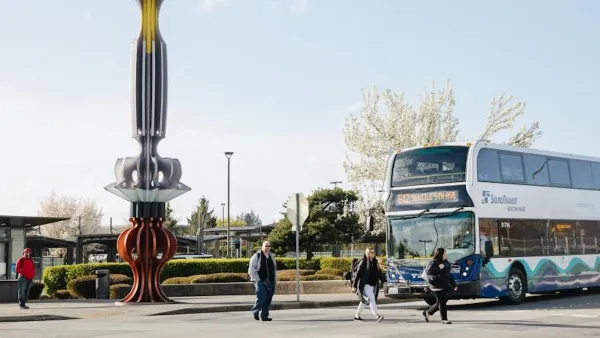
Seattle to Introduce Electric Buses With Wireless Charging
In-ground induction chargers will reduce the cost of the charging network.
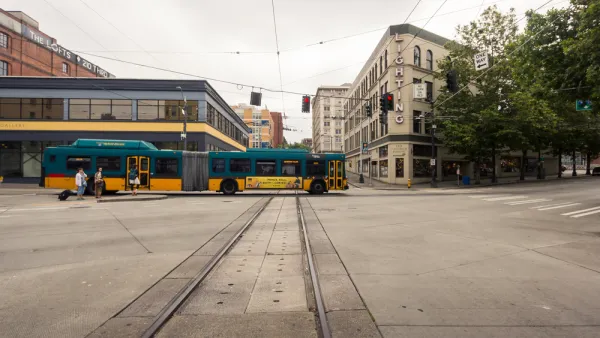
Transit Service Restored in Seattle Area, With New Social Distancing Practices in Place
Seatback signage and reduced capacity will allow King County Metro to begin resuming bus service. In the wake of staff illness and depleted funding, the road to Metro's recovery could be quite long.

The state-sanctioned urbicide of Austin
People don’t kill cities. Freeways do.

US to reduce Colorado River water deliveries to Mexico
A new Colorado Treaty amendment reduces Mexico’s Colorado River water allocation by 250,000 acre feet.

New Jersey’s second-largest city bans standalone data centers
Jersey City will continue to allow co-location facilities, such as those meant for research institutions that store their own data.

Amtrak not solely to blame for New Jersey commuter rail's unreliability, report finds
A new study from the Garden State Initiative found that NJ Transit’s budget grew 20% across a 4 year period, but reliability declined significantly over the same period.

EPA erases limits on planet-warming pollution from power plants
Under Monday’s plan, power plants would still have some limits on how much mercury, arsenic and other contaminants they can emit.

Phoenix announces new on-demand transit service, more frequent RAPID buses
Both new services will launch in October, and are part of Phoenix's Project Effective Access Solutions for Easing Congestion.

FREE Course: Walkable City 1: Why Walkability?
After describing his path towards focusing on walkability as the essence of good planning, Jeff Speck marches through his five principal reasons for making more walkable places.
Reinventing Malls: Planning Alchemy—Turning Gray Fields Into Gold
The course focuses on the opportunities and imperatives that shape reinvention of mall sites.

Eagle County Government
Harvard University Graduate School of Design
Nashville Planning Department
The Architects Foundation
University of Cincinnati Online
The Pocatello Development Authority
The Urban Renewal Agency of the City of Pocatello
Journal of the American Planning Association