In-ground induction chargers will reduce the cost of the charging network.


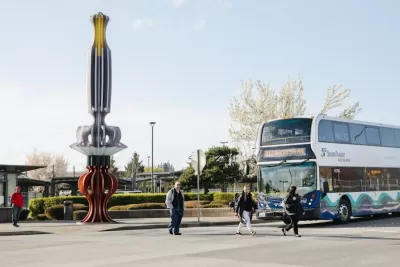
Seattle is set to introduce double-decker electric transit buses that use inductive in-ground wireless charging along their routes, reports Dan Zukowski in Smart Cities Dive.
According to Zukowski, “The Central Puget Sound Regional Transit Authority, known as Sound Transit, has ordered 48 electric buses, including 15 60-foot articulated electric buses and 33 double-decker buses from Alexander Dennis, a subsidiary of NFI Group.”
According to supplier InductEV, using in-ground inductive chargers is over 20 percent more cost-efficient than wired charging. “To be delivered in 2026, the double-decker buses will serve a new bus rapid transit route that Sound Transit is developing along Interstate 405 to connect communities around Lake Washington and to the agency’s light rail network.”
FULL STORY: Seattle to add electric buses that use wireless charging

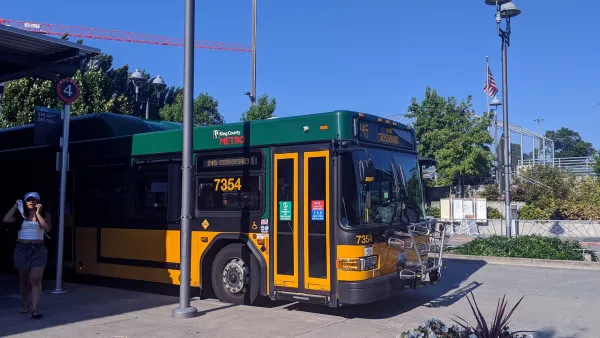
King County Metro adds 3,000 weekly bus trips, more connections to rail
King County Metro and Sound Transit are both making major adjustments to their bus networks to improve light rail connectivity across the region.
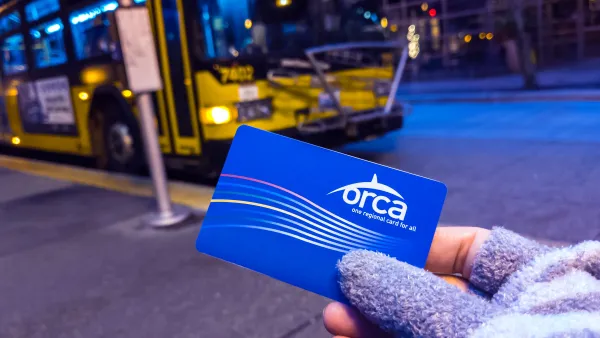
King County Metro to Cut Bus Service
With hundreds of buses out of service and a mechanic shortage delaying repairs and maintenance, Seattle area bus riders will see significantly reduced service this summer.
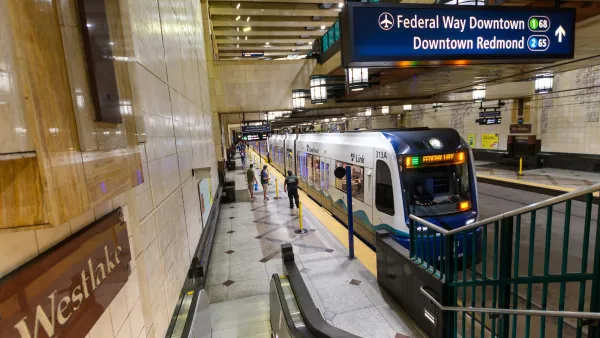
Commentary: Seattle's new transit wayfinding system is 'more confusing than clarifying'
Changes to Sound Transit signage could make it difficult to navigate the region's train system.

The state-sanctioned urbicide of Austin
People don’t kill cities. Freeways do.

US to reduce Colorado River water deliveries to Mexico
A new Colorado Treaty amendment reduces Mexico’s Colorado River water allocation by 250,000 acre feet.

New Jersey’s second-largest city bans standalone data centers
Jersey City will continue to allow co-location facilities, such as those meant for research institutions that store their own data.

Amtrak not solely to blame for New Jersey commuter rail's unreliability, report finds
A new study from the Garden State Initiative found that NJ Transit’s budget grew 20% across a 4 year period, but reliability declined significantly over the same period.

EPA erases limits on planet-warming pollution from power plants
Under Monday’s plan, power plants would still have some limits on how much mercury, arsenic and other contaminants they can emit.

Phoenix announces new on-demand transit service, more frequent RAPID buses
Both new services will launch in October, and are part of Phoenix's Project Effective Access Solutions for Easing Congestion.

FREE Course: Walkable City 1: Why Walkability?
After describing his path towards focusing on walkability as the essence of good planning, Jeff Speck marches through his five principal reasons for making more walkable places.
Reinventing Malls: Planning Alchemy—Turning Gray Fields Into Gold
The course focuses on the opportunities and imperatives that shape reinvention of mall sites.

Eagle County Government
Harvard University Graduate School of Design
Nashville Planning Department
The Architects Foundation
University of Cincinnati Online
The Pocatello Development Authority
The Urban Renewal Agency of the City of Pocatello
Journal of the American Planning Association