The Ohio capital will offer rebates for residents purchasing e-bikes as part of its goals to reduce carbon emissions and encourage active transportation.


Columbus, Ohio is the latest city to launch an e-bike incentive program as one way to encourage greener, more affordable transportation alternatives.
According to an article by Tyler Buchanan in Axios, “Columbus is investing $250,000 in rebates for e-bike purchases from local bicycle shops,” with rebates available to residents with annual income levels up to $150,000.
Local cyclists support the rebate, but “want to see Columbus take additional steps toward becoming a bike-friendly city.” Trevin Flickinger, a local e-bike rider, notes that “If we don't have the necessary, safe bike infrastructure across the city for folks, then the program is going to be a lot less effective than it can be.”
The city is also offering free one-year memberships to its bike share program, CoGo.
Unlike non-motorized bikes, e-bikes can open up bicycling to a much broader range of ages and abilities and, in the case of cargo bikes, offer a convenient way to carry children or groceries.
FULL STORY: Columbus to offer e-bike purchase discounts

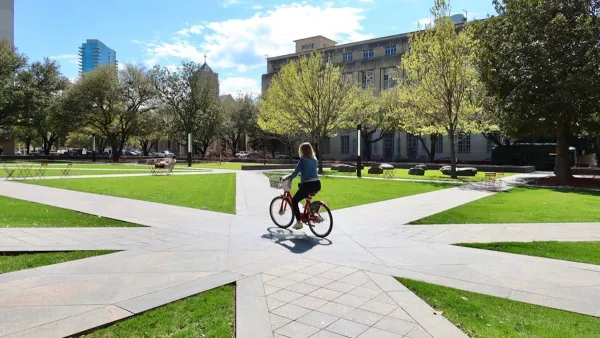
Fort Worth To Relaunch Bike Share System in January
Trinity Metro shuttered its current system at the end of November and plans to relaunch with a mostly-electric system.
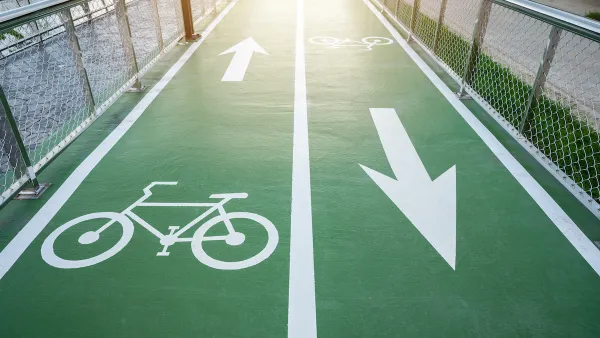
It’s National Bike Month — Is Your City Safe for Cycling?
Getting more people on bikes requires safe, comfortable bike infrastructure and connectivity to transit.
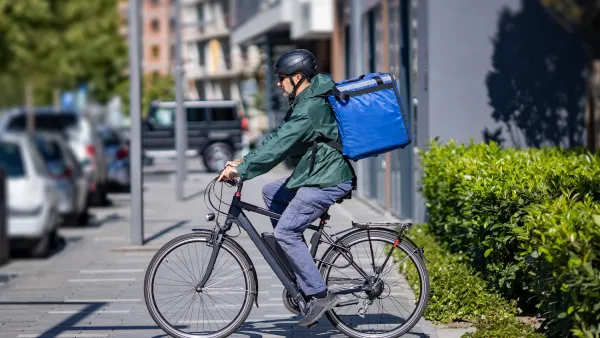
California Cuts Funding for E-bike Rebates
The state cancelled an upcoming round of applications for the wildly popular e-bike incentive program that provided up to $2,000 toward the cost of an electric bike.

Planetizen Federal Action Tracker
A weekly monitor of how Trump’s orders and actions are impacting planners and planning in America.

The state-sanctioned urbicide of Austin
People don’t kill cities. Freeways do.

US to reduce Colorado River water deliveries to Mexico
A new Colorado Treaty amendment reduces Mexico’s Colorado River water allocation by 250,000 acre feet.

5 New England states march closer to 800 megawatt wind energy project
Securing federal approval for the project may be complicated under the Trump administration, which has historically been hostile towards domestic wind power.

Baltimore to break ground on $50 million Transit Priority Project
The project will bring faster bus trips, safer streets and better bike connections to Baltimore.

Airbnb launches $250 million 'last-dollar financing' housing accelerator, makes first investment in Austin
The company will put $6.4 million towards affordable housing development in Texas’ capital.

FREE Course: Walkable City 1: Why Walkability?
After describing his path towards focusing on walkability as the essence of good planning, Jeff Speck marches through his five principal reasons for making more walkable places.
Reinventing Malls: Planning Alchemy—Turning Gray Fields Into Gold
The course focuses on the opportunities and imperatives that shape reinvention of mall sites.


Eagle County Government
Harvard University Graduate School of Design
Nashville Planning Department
The Architects Foundation
University of Cincinnati Online
The Pocatello Development Authority
The Urban Renewal Agency of the City of Pocatello
Journal of the American Planning Association