An op-ed by three mayors explains their support for expanded transit services, calling for a sales tax increase that would fund a modernized, reliable transit network.


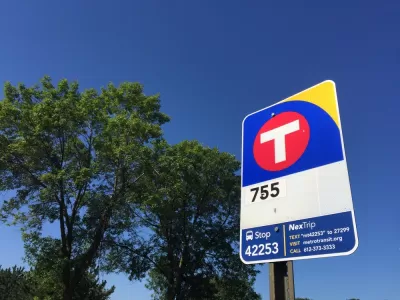
In an opinion piece in MinnPost, Marylee Abrams, Mike Krachmer, and Shep Harris, mayors of three Minnesota towns, urge voters and policymakers to support expanded public transit in the state through a new sales tax.
“When it comes to building the safe, reliable and convenient transit system our region deserves, there’s no substitute for ongoing investment. A modest sales tax of less than one percent can provide the sustained investment we need to support a more connected, prosperous metro.” Yet, the op-ed charges, “We cling to an outdated funding formula that leads to chronic operating deficits and the reduced frequency and reliability that come with that.”
Nodding to the region’s transit-rich past, the mayors add that “Improved transit makes our communities and economies more accessible for everyone, like the many high school and college students who rely on public transit to get to their classes and to work.”
The op-ed positions access to transit as an equity issue, pointing out that “Access to opportunity should not be premised on affording a car, or being able to live in the same area where you work, learn, and play,” particularly when the housing crisis has pushed many working-class Minnesotans farther from their jobs. “A modern transit system that works for everyone looks like never having to check a transit schedule again, because the next bus or train is only ever minutes away.”
Read the full story: Suburban mayors call for support for transit funding
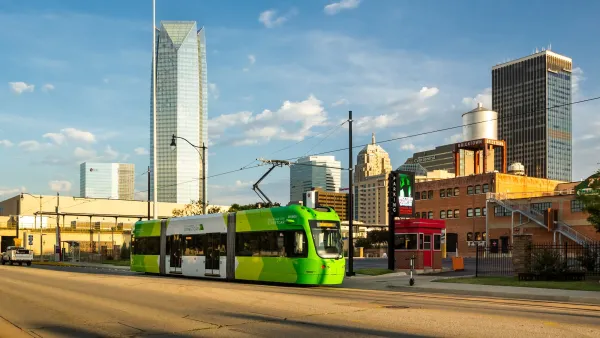
Oklahoma City bets on transit
The city's mayor is urging residents to support a new sales tax that would fund transit expansion in the growing city.
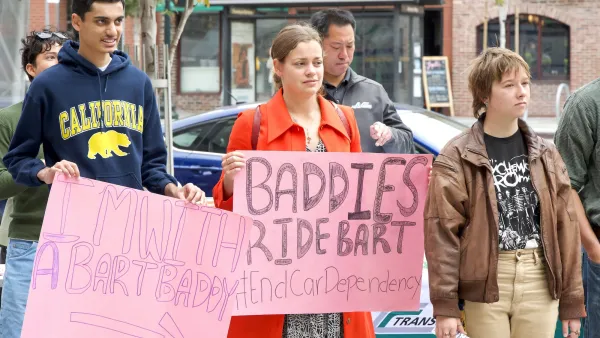
Bay Area transit tax proposal headed to November ballot
Supporters of a proposed sales tax that would shore up the Bay Area's transit agencies garnered over 300,000 signatures to put the measure on the ballot.
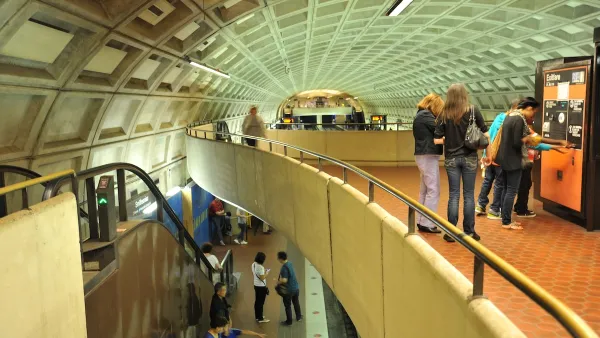
Why Saving Transit Matters
Jarrett Walker argues that letting transit systems die has impacts that go far beyond transit riders.

Planetizen Federal Action Tracker
A weekly monitor of how Trump’s orders and actions are impacting planners and planning in America.

California plans to bury El Niño’s downpour
If the state plays its cards right, it may be able to store a billion acre-feet of El Niño’s water in aquifers.

Desperate measures: Advocates weigh draining Lake Powell to fill Colorado River
Draining the reservoir could reduce evaporation losses by a couple hundred thousand acre-feet.

In Texas, data centers are swallowing promised parkland
Residents who moved to Taylor, Texas for a rural community now have to contend with three data centers in their backyard.

How a Chicago-sized wind farm beat the odds and powered on
The project spanned five presidential administrations and a standoff with a U.S. military base.

MTA gives itself 30 days to transform pit into basketball court
The site has been under construction since 2022; the city originally estimated it would finish the court in 2024.

FREE Course: Walkable City 1: Why Walkability?
After describing his path towards focusing on walkability as the essence of good planning, Jeff Speck marches through his five principal reasons for making more walkable places.
Reinventing Malls: Planning Alchemy—Turning Gray Fields Into Gold
The course focuses on the opportunities and imperatives that shape reinvention of mall sites.

City of Rosemead
Rutgers University, Edward J. Bloustein School of Planning and Public Policy
One Hundred Miles
Hunter College, City University of New York (CUNY)
The Architects Foundation
University of Cincinnati Online
City of Cambridge
Montrose County
The Pocatello Development Authority