Black families face bigger challenges when trying to buy homes, leading to a growing gap between Black and white homeownership.


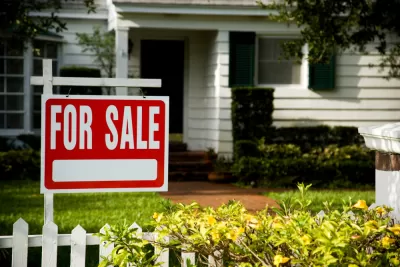
Black homeownership is growing at a lower rate than any other racial or ethnic group, reports CNN’s Anna Bahney in an article republished in Madison 365. “Across a slew of metrics, the challenges Black home buyers are up against are sizeable and showing little improvement.” Black homeownership rates vary between 15 and 55 percent around the country, while white homeownership ranges from 50 percent to 81 percent.
While homeownership rates grew across ethnic groups, Black households saw the slowest growth. Today, the ‘racial homeownership gap’ between white and Black families is 29 percent, up from 26 percent in 2011. This gap is attributed to a complex web of causes, including historic and present discrimination and high housing costs.
The article details the hurdles faced by Black homebuyers, such as mortgage discrimination. Almost a third of Black renter households spend more than 30 percent of their income on housing, making it difficult to save money to buy a home. Additionally, “Black Americans are denied mortgages at a higher rate, with 20% of Black and 15% of Hispanic loan applicants denied mortgages, compared with about 11% of white and 10% of Asian applicants, According to NAR’s analysis of Home Mortgage Disclosure Act data.” More recently, researchers have also uncovered discrimination in home appraisals, which can have a negative impact on the ability of Black families to build generational wealth.
FULL STORY: The gulf between Black homeowners and White is actually getting bigger, not smaller

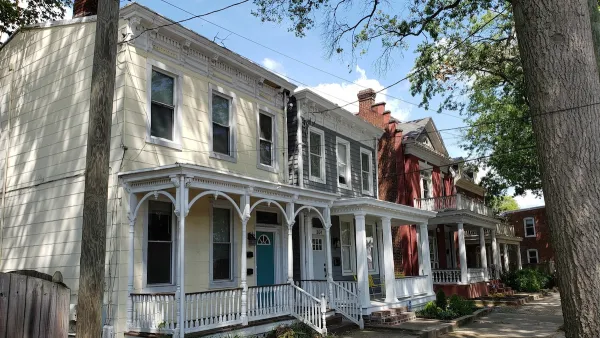
Richmond Program Promotes Black Homeownership
Economic Mobility and Black Homeownership Pilot identified barriers to homeownership and provides homebuyers with down payment assistance and counseling.
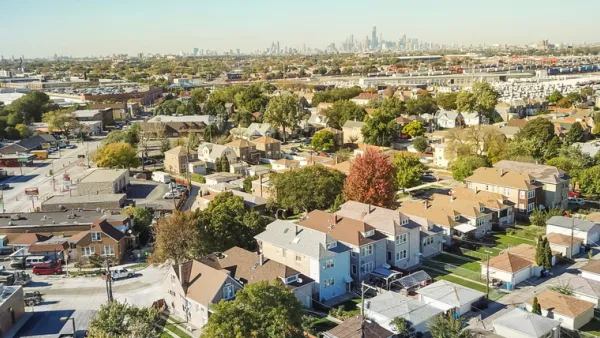
Assessing the Racial Home Valuation Gap
Research shows that homes in communities of color are consistently undervalued by, in some cases, over $1 million.
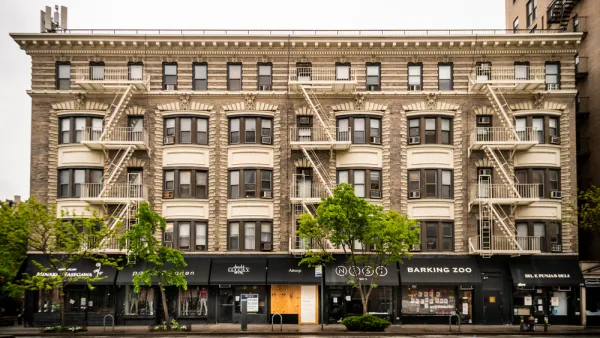
Homeownership an Uphill Battle for Black New Yorkers
Black home buyers face an array of challenges when trying to buy homes, leading to a widening gap between Black and white homeowners.

The state-sanctioned urbicide of Austin
People don’t kill cities. Freeways do.

US to reduce Colorado River water deliveries to Mexico
A new Colorado Treaty amendment reduces Mexico’s Colorado River water allocation by 250,000 acre feet.

New Jersey’s second-largest city bans standalone data centers
Jersey City will continue to allow co-location facilities, such as those meant for research institutions that store their own data.

Amtrak not solely to blame for New Jersey commuter rail's unreliability, report finds
A new study from the Garden State Initiative found that NJ Transit’s budget grew 20% across a 4 year period, but reliability declined significantly over the same period.

EPA erases limits on planet-warming pollution from power plants
Under Monday’s plan, power plants would still have some limits on how much mercury, arsenic and other contaminants they can emit.

Phoenix announces new on-demand transit service, more frequent RAPID buses
Both new services will launch in October, and are part of Phoenix's Project Effective Access Solutions for Easing Congestion.

FREE Course: Walkable City 1: Why Walkability?
After describing his path towards focusing on walkability as the essence of good planning, Jeff Speck marches through his five principal reasons for making more walkable places.
Reinventing Malls: Planning Alchemy—Turning Gray Fields Into Gold
The course focuses on the opportunities and imperatives that shape reinvention of mall sites.

Eagle County Government
Harvard University Graduate School of Design
Nashville Planning Department
The Architects Foundation
University of Cincinnati Online
The Pocatello Development Authority
The Urban Renewal Agency of the City of Pocatello
Journal of the American Planning Association