Black home buyers face an array of challenges when trying to buy homes, leading to a widening gap between Black and white homeowners.


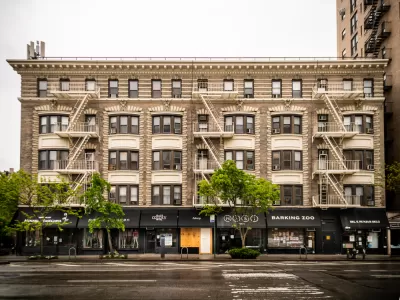
An article by Stefanos Chen highlights the challenges faced by Black homeowners in New York City, as well as the successes some have had as a result of their perseverance in the face of systemic barriers and rising housing costs. "The pandemic has compounded the challenges of an already difficult housing market, particularly for Black home buyers, who face a range of additional obstacles, and it threatens to widen the gap between Black and white homeownership to levels not seen since housing discrimination was made illegal five decades ago."
This sets up a worrying trend, as "[h]omeownership is often the largest source of intergenerational wealth for families. In 2015, the median net worth for white households was $139,300, and $156,300 for Asian households, compared to just $19,990 for Hispanic households, and $12,780 for Black households, according to a census report." In New York, the number of Black homeowners dropped by 10 percent between 2002 and 2008, with the decline continuing until at least 2017.
"New York is one of the most segregated cities in the country, and Black residents don’t always benefit from fast-rising prices in racially divided communities undergoing gentrification," writes Chen. "But after decades of discriminatory housing policies, some of the city’s Black homeowner enclaves persist in part because they remain cultural hubs for people of color."
FULL STORY: The Resilience of New York’s Black Homeowners

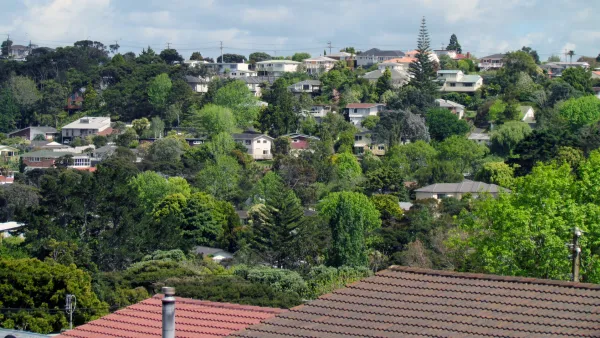
Ultra-Competitive Housing Market Shows No Signs of Slowing
Home prices in the Puget Sound region continue to skyrocket as buyers engage in intense bidding wars and demand continues to outpace supply.
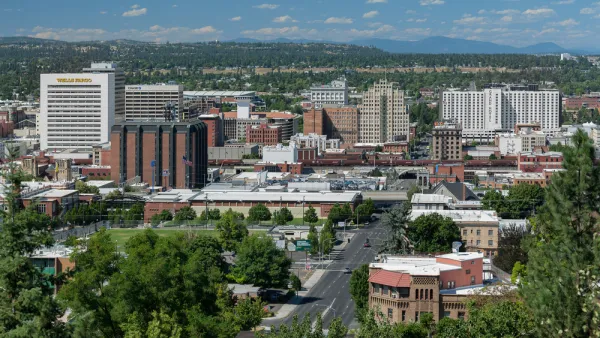
Housing Affordability Crisis Spreading to More Cities
Cities like Spokane, Washington courted new residents and businesses during the pandemic. Now, they're starting to wonder if it was worth it.
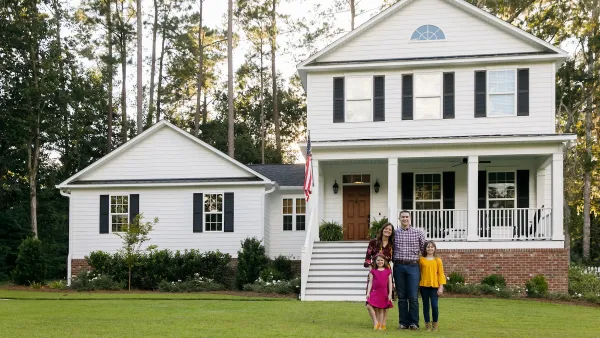
Report: Housing is becoming an 'inherited advantage'
As housing costs soar, buying a home is becoming unaffordable to a large swath of American families.

Planetizen Federal Action Tracker
A weekly monitor of how Trump’s orders and actions are impacting planners and planning in America.

The state-sanctioned urbicide of Austin
People don’t kill cities. Freeways do.

US to reduce Colorado River water deliveries to Mexico
A new Colorado Treaty amendment reduces Mexico’s Colorado River water allocation by 250,000 acre feet.

5 New England states march closer to 800 megawatt wind energy project
Securing federal approval for the project may be complicated under the Trump administration, which has historically been hostile towards domestic wind power.

Baltimore to break ground on $50 million Transit Priority Project
The project will bring faster bus trips, safer streets and better bike connections to Baltimore.

Airbnb launches $250 million 'last-dollar financing' housing accelerator, makes first investment in Austin
The company will put $6.4 million towards affordable housing development in Texas’ capital.

FREE Course: Walkable City 1: Why Walkability?
After describing his path towards focusing on walkability as the essence of good planning, Jeff Speck marches through his five principal reasons for making more walkable places.
Reinventing Malls: Planning Alchemy—Turning Gray Fields Into Gold
The course focuses on the opportunities and imperatives that shape reinvention of mall sites.

Eagle County Government
Harvard University Graduate School of Design
Nashville Planning Department
The Architects Foundation
University of Cincinnati Online
The Pocatello Development Authority
The Urban Renewal Agency of the City of Pocatello
Journal of the American Planning Association