Research shows that homes in communities of color are consistently undervalued by, in some cases, over $1 million.


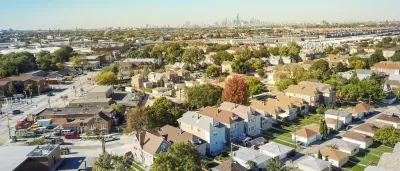
The racial gap in home appraisals is present and growing in every major U.S. city, with homes in predominantly white neighborhoods appraised at almost triple the values of homes in neighborhoods made up of people of color, report Brentin Mock and Marie Patino for Bloomberg CityLab.
According to new research from University of Illinois Chicago sociologist Junia Howell that seeks to isolate racial factors in home appraisals, “These disparities stem from a number of causes, including historic discriminatory practices and the modern appraisal approaches that perpetuate them. But they can also reflect prejudices on the part of appraisers.”
In expensive cities like San Francisco and New York, the difference in average appraisals topped $1 million, signaling a huge loss of potential wealth-building opportunities for Black and brown families. “In other less-expensive metro areas like Charleston, South Carolina, the dollar differences were lower, but the disparity was even worse.”
The industry is starting to acknowledge the problem. “In 2021, the Federal Home Loan Mortgage Corporation released a study that found that housing appraisal discrimination is ‘pervasive’ throughout the industry. The conversation now among federal authorities and appraisal professionals is how to craft reforms to root it out.”
FULL STORY: Racial Disparities in Home Appraisals Exist in Every Major US City

The Federal Government Won’t Stop Home Appraisal Bias. Local Officials Can.
Racial bias in appraisals is still a problem — but there are steps we can take to fight back. Philadelphia's reforms are a model to follow.
The Racial Gap in Homeownership is Growing
Black families face bigger challenges when trying to buy homes, leading to a growing gap between Black and white homeownership.

Report: Racial Gap in Home Appraisals Increasing
An analysis of government data reveals a growing gap in the appraised values of homes in white and Black neighborhoods.

The state-sanctioned urbicide of Austin
People don’t kill cities. Freeways do.

US to reduce Colorado River water deliveries to Mexico
A new Colorado Treaty amendment reduces Mexico’s Colorado River water allocation by 250,000 acre feet.

New Jersey’s second-largest city bans standalone data centers
Jersey City will continue to allow co-location facilities, such as those meant for research institutions that store their own data.

Amtrak not solely to blame for New Jersey commuter rail's unreliability, report finds
A new study from the Garden State Initiative found that NJ Transit’s budget grew 20% across a 4 year period, but reliability declined significantly over the same period.

EPA erases limits on planet-warming pollution from power plants
Under Monday’s plan, power plants would still have some limits on how much mercury, arsenic and other contaminants they can emit.

Phoenix announces new on-demand transit service, more frequent RAPID buses
Both new services will launch in October, and are part of Phoenix's Project Effective Access Solutions for Easing Congestion.

FREE Course: Walkable City 1: Why Walkability?
After describing his path towards focusing on walkability as the essence of good planning, Jeff Speck marches through his five principal reasons for making more walkable places.
Reinventing Malls: Planning Alchemy—Turning Gray Fields Into Gold
The course focuses on the opportunities and imperatives that shape reinvention of mall sites.

Eagle County Government
Harvard University Graduate School of Design
Nashville Planning Department
The Architects Foundation
University of Cincinnati Online
The Pocatello Development Authority
The Urban Renewal Agency of the City of Pocatello
Journal of the American Planning Association