A remote corner of the state is the nation’s fastest-growing metro area, but concerns about water supplies across the Southwest signal an uncertain future.


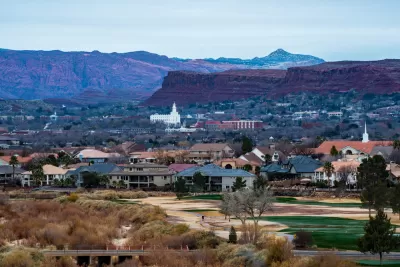
The region around St. George, Utah was the fastest-growing metro area in the nation for two years running, reports Bill Weir for CNN. But with Southwestern reservoirs, mainly supplied by the Colorado River, at historic lows, local officials warn that the future of the region is in peril.
Can a heavily conservative, regulation-averse county support strict water conservation measures? So far, general manager of the Washington County Water Conservancy District Zach Renstrom “has managed to help pass some of the strictest water laws in the West,” Weir writes. “In a bright-red county in a state allergic to regulations, there is a ban on growing grass outside new businesses,” and a home’s landscaping can consist of just 8 percent grass lawn.
Matt Rice, Southwest Region Director of the nonprofit American Rivers, told CNN that officials should focus their efforts on conservation rather than finding new sources of water, such as a proposed pipeline that would supply Utah from Lake Powell, which is at its lowest water level in history.
More on the Colorado River water crisis:
FULL STORY: The fastest growing metro in the US is looking to a shrinking reservoir to keep the boom going


A Reckoning for Southwestern Golf Courses
Amid a growing water crisis, more cities are cracking down on ornamental uses of grass and golf course greens.
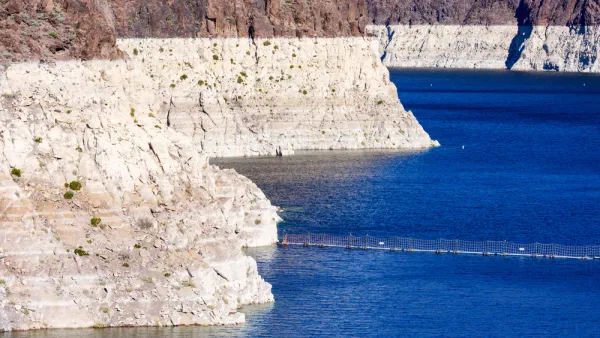
Colorado River Water Crisis Deepens
The states that rely on the Colorado’s water must make drastic cuts in water usage to maintain use of the West’s most important—and most threatened—water source.
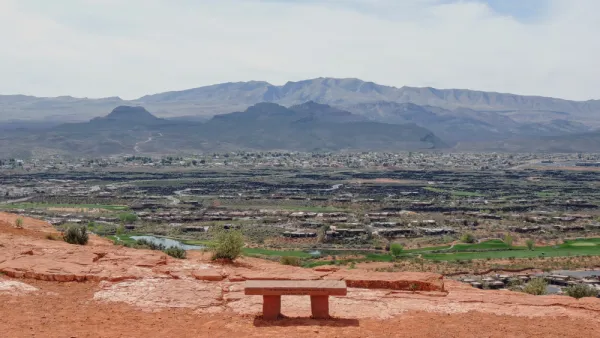
The Nation’s Fastest Growing Town Needs More Water
Cheap water flows freely to the golf courses of St. George, Utah, but all the new residents mean it’s going to have to increase supply or reduce demand—or both.

The state-sanctioned urbicide of Austin
People don’t kill cities. Freeways do.

US to reduce Colorado River water deliveries to Mexico
A new Colorado Treaty amendment reduces Mexico’s Colorado River water allocation by 250,000 acre feet.

New Jersey’s second-largest city bans standalone data centers
Jersey City will continue to allow co-location facilities, such as those meant for research institutions that store their own data.

Amtrak not solely to blame for New Jersey commuter rail's unreliability, report finds
A new study from the Garden State Initiative found that NJ Transit’s budget grew 20% across a 4 year period, but reliability declined significantly over the same period.

EPA erases limits on planet-warming pollution from power plants
Under Monday’s plan, power plants would still have some limits on how much mercury, arsenic and other contaminants they can emit.

Phoenix announces new on-demand transit service, more frequent RAPID buses
Both new services will launch in October, and are part of Phoenix's Project Effective Access Solutions for Easing Congestion.

FREE Course: Walkable City 1: Why Walkability?
After describing his path towards focusing on walkability as the essence of good planning, Jeff Speck marches through his five principal reasons for making more walkable places.
Reinventing Malls: Planning Alchemy—Turning Gray Fields Into Gold
The course focuses on the opportunities and imperatives that shape reinvention of mall sites.

Eagle County Government
Harvard University Graduate School of Design
Nashville Planning Department
The Architects Foundation
University of Cincinnati Online
The Pocatello Development Authority
The Urban Renewal Agency of the City of Pocatello
Journal of the American Planning Association