Three coordinated, ambitious, simultaneous planning initiatives are underway at SEPTA, the regional transportation authority for Greater Philadelphia.


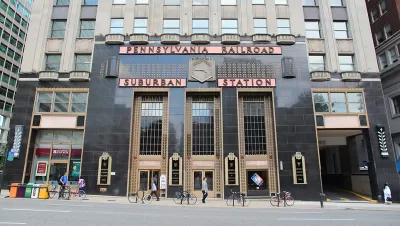
As reported in an article for TransitCenter, the Southeastern Pennsylvania Transportation Authority (SEPTA) is underway with a number of large-scale transit planning projects with the potential to reinvent transit in and around the city.
Three planning initiatives are pushing forward the vision put forth in the SEPTA Forward strategic plan—Reimagining Regional Rail, the Bus Revolution, and the Trolley Modernization project.
According to Ryan Judge, director of strategic planning at SEPTA, the three plans are designed to work in concert. “SEPTA’s COVID-19 recovery planning process, undertaken in the summer of 2020, produced the conclusion that the agency would need to continue to provide transit service as the core of the region’s mobility systems, and ensure that the various transit modes in the system functioned as a cohesive, integrated system,” according to the article.
As detailed in the article, Reimagining Regional Rail has the potential to transform the region’s commuter rail system with frequencies and fares more commonly found on subway systems. Bus Revolution will enact SEPTA’s first-ever systemwide bus network redesign, focusing service into a much more scrutable high frequency grid, similar to work done in recent years in Houston and Miami.
Read the full story: A Transit Revolution in Philadelphia?

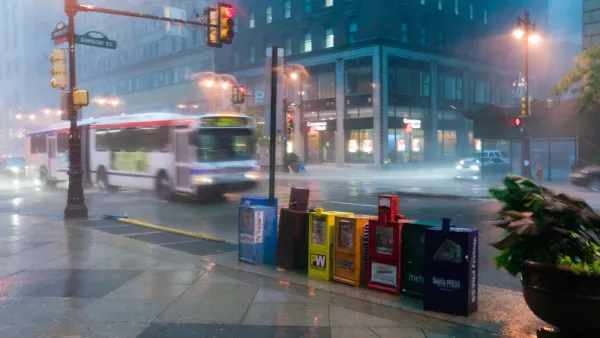
The Bus Revolution Has Been Revised in Philadelphia
The Southeastern Pennsylvania Transportation Authority went back to the drawing board with its Bus Revolution system redesign after an initial round of feedback completed earlier this year.
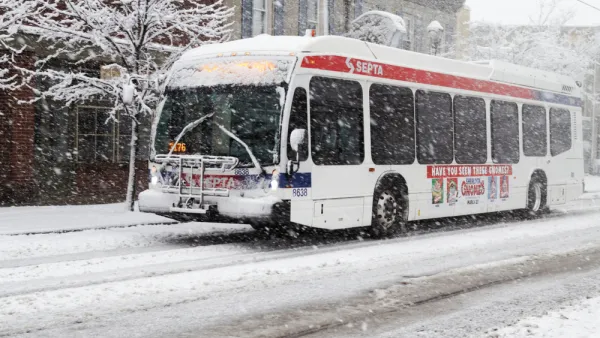
‘Bus Revolution’ Revised in Philadelphia
The bus system redesign underway in Philadelphia changed direction after riders and local politicians complained about an initial draft plan.
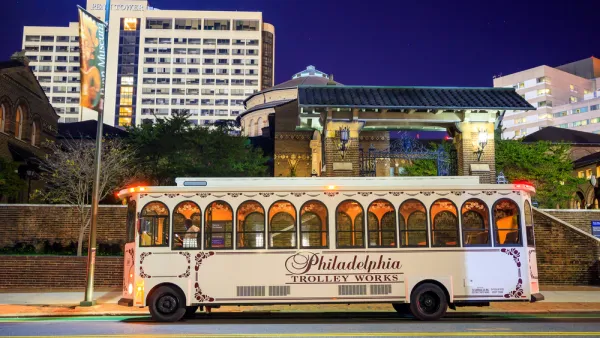
Philadelphia Leaders Dream Big With New Transit Plan
The plan, which looks more than two decades into the future, seeks to modernize the city's transit system, address inequities, and improve regional connectivity.

Planetizen Federal Action Tracker
A weekly monitor of how Trump’s orders and actions are impacting planners and planning in America.

California plans to bury El Niño’s downpour
If the state plays its cards right, it may be able to store a billion acre-feet of El Niño’s water in aquifers.

Chicago breaks ground on $3 billion megadevelopment
The new neighborhood, titled Foundry Park, will one day host 3,700 residences.

California High-Speed Rail Authority CEO resigns after $600,000 scandal
Under Ian Choudri, the authority used taxpayer dollars to fund first class flights and trips to nightclubs.

Want to study the Missouri River? Soon, you may need unanimous approval from 10 states
Legislation would require 10 governors’ permission to study or build projects moving water outside the basin.

Desperate measures: Advocates weigh draining Lake Powell to fill Colorado River
Draining the reservoir could reduce evaporation losses by a couple hundred thousand acre-feet.

FREE Course: Walkable City 1: Why Walkability?
After describing his path towards focusing on walkability as the essence of good planning, Jeff Speck marches through his five principal reasons for making more walkable places.
Reinventing Malls: Planning Alchemy—Turning Gray Fields Into Gold
The course focuses on the opportunities and imperatives that shape reinvention of mall sites.

City of Rosemead
Rutgers University, Edward J. Bloustein School of Planning and Public Policy
One Hundred Miles
Hunter College, City University of New York (CUNY)
The Architects Foundation
University of Cincinnati Online
City of Cambridge
Montrose County
The Pocatello Development Authority