For small towns and hard-to-reach areas, on-demand microtransit could offer an effective alternative to fixed-route buses.


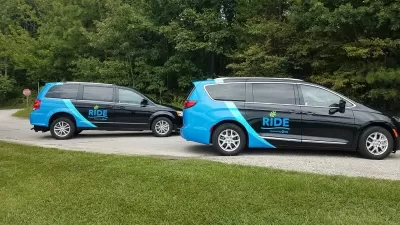
A North Carolina town could serve as a model for on-demand transit, reports Nick de la Canal for NPR. But the model could also lead to increased air pollution and traffic congestion, critics warn.
“Wilson, with a population of about 50,000, replaced bus service with these on-demand minivans almost two years ago in partnership with a company called Via. The city pays Via for vehicles, drivers and software to run it all.” City planner Rodger Lentz told NPR that “the service runs about 3,700 trips a week, and that's more than 2 1/2 times the ridership of the old bus system pre-pandemic.”
While this type of on-demand transit can connect hard-to-reach neighborhoods, serve small rural communities, and provide an efficient way for people to get to work, transportation consultant Jarrett Walker “worries that citywide service, like in Wilson, might not be sustainable. It would be cost-prohibitive for bigger cities and increase congestion.”
In Wilson, “Lentz says the ride service costs the city of Wilson about 25% more than buses. But for a smaller city like his, he thinks it's worth it.”
Read the full story: On-demand shuttles are replacing buses in some areas


Developing a Common Language for Microtransit Providers
New data specification technology could help rural agencies streamline their operations and coordinate efforts to improve service delivery.

North Carolina Town Swaps Fixed-Route Buses for On-Demand Microtransit
The community of Wilson is testing the efficiency of using a publicly subsidized on-demand van service in lieu of traditional buses.
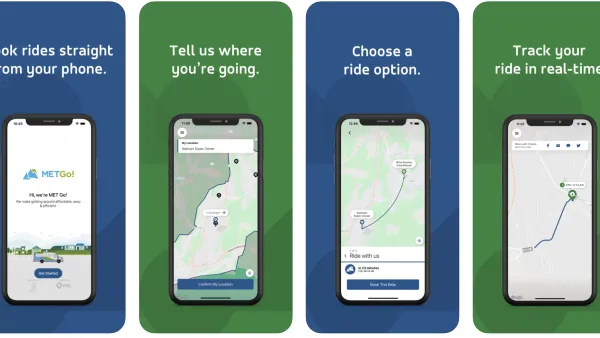
On-Demand Microtransit Proves Itself in Rural Virginia
Two Virginia transit companies launched pilot projects for on-demand microtransit services in 2021, spurring record growth in ridership as a result.

Planetizen Federal Action Tracker
A weekly monitor of how Trump’s orders and actions are impacting planners and planning in America.

Data reveals that NYC’s bet on congestion pricing has paid off
After almost two years of the program, reports show positive impacts on traffic and air quality and no disruptions to parking.

HUD modernizes 50-year-old manufactured housing framework
The Next Generation Manufactured Housing Action Plan establishes new energy-efficiency standards for manufactured homes, and new guidelines for anchoring them.

Chicago city vehicles are on the hunt for illegally-parked cars
Cameras on the vehicles can automatically issue tickets to drivers who park their cars in bus or bike lanes.

Small single-family homes are illegal in most of MA. Voters can change that
Most land zoned for single-family housing in Massachusetts requires at least 40,000 square feet of land per house.

Public steps inside U.S.’s first battery-powered train
Metra’s groundbreaking train feature modern seats and a futuristic battery car.

FREE Course: Walkable City 1: Why Walkability?
After describing his path towards focusing on walkability as the essence of good planning, Jeff Speck marches through his five principal reasons for making more walkable places.
Reinventing Malls: Planning Alchemy—Turning Gray Fields Into Gold
The course focuses on the opportunities and imperatives that shape reinvention of mall sites.

One Hundred Miles
County of Mendocino
planning NEXT
The Architects Foundation
University of Cincinnati Online
Montrose County
Northern Illinois Transit Authority (NITA)
The Pocatello Development Authority