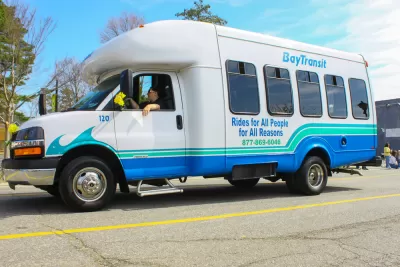
State funding approved in early 2020 and Covid-related service changes are allowing multiple localities to consider a drastic move for public transit: permanent, fare-free bus service.


Wyatt Gordon reports from Virginia:
When the General Assembly created the Transit Rider Incentive Program (TRIP) as part of Gov. Ralph Northam’s 2020 transportation omnibus, the lion’s share of the funding was allocated to support new regional bus routes. With COVID’s cancellation of much commuter service across the commonwealth, those dollars are now being dedicated to TRIP’s secondary goal: fare free transit pilot projects.
In recent months, Virginia cities like Lynchburg, Roanoke, Alexandria, Richmond, Charlottesville, and Fairfax County have expressed support for fare-free transit service, and Gordon writes to speculate on the potential of permanent elimination of fares on bus systems in the state.
"Nearly every transit system in the commonwealth eliminated fares last year as a public health measure in response to COVID, but until recently none had announced intentions to make that move to protect riders and operators more permanent," according to Gordon.
One characteristic of transit in Virginia that Gordon notes as especially remarkable is the importance of bus transit in rural locations in the state. The TRIP bill will support fare-free programs in both urban and rural areas, according to Gordon. Gordon surveys the state and finds support for fare-free programs in cities on both ends of the urban and rural spectrum.
Read the full story: Should Virginia bus systems go fare free forever?

Gas Too Expensive? Cincinnati Metro Has You Covered With Free Rides
Cincinnati residents and visitors will have access to free transit for a week as the agency aims to boost ridership.
Opinion: To Increase Equity, Make Buses Free
With buses as a dominant transport mode for low-income households and "essential workers," free fares would increase access to economic opportunities and free up limited income for cash-strapped commuters.
OKC streetcar will stay fare-free after ridership shot up 74%
The downtown streetcar saw a surge in ridership after it eliminated fares in January.

Planetizen Federal Action Tracker
A weekly monitor of how Trump’s orders and actions are impacting planners and planning in America.

The state-sanctioned urbicide of Austin
People don’t kill cities. Freeways do.

Colorado’s Largest Data Center Could Rise Next to Homes — Without a Public Hearing
The proposed campus would consume 11 times the power of Denver International Airport; as it has across the country, opposition mounts.

Judges permit Denver to divert 77,000 acre feet from the Colorado River for reservoir expansion
Overuse and climate change have caused the Colorado River’s water levels to plummet.
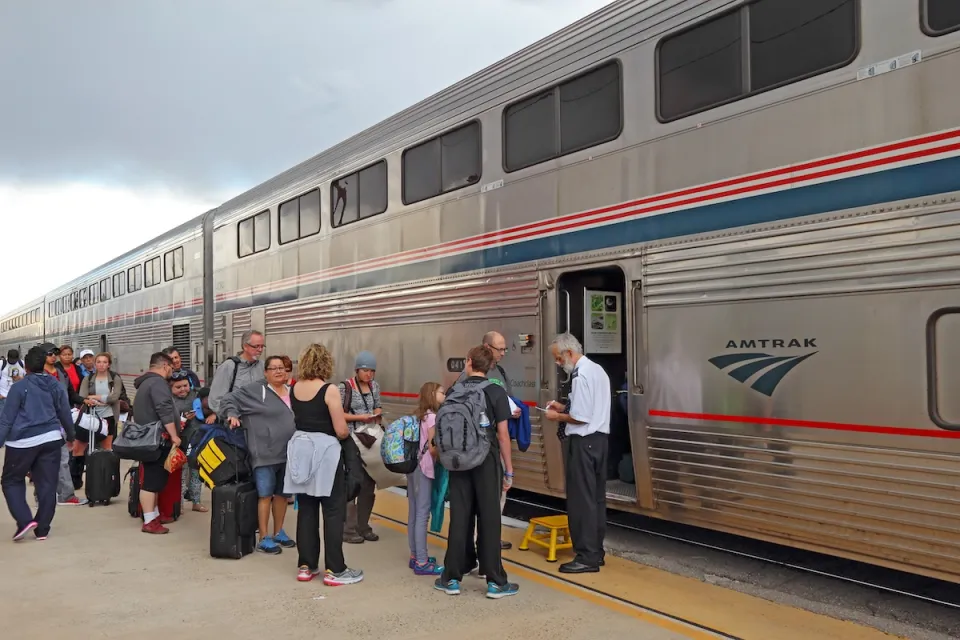
Amtrak, CN end decades-long dispute with eight-year agreement
The new operating agreement establishes an updated framework for the companies to work together, including processes to resolve disputes.
Raised interest rates may kill financially vulnerable construction projects
The chief economist at ConstructConnect warns that if construction project owners are negatively impacted by the raised rates, it could result in delayed payments to contractors.

FREE Course: Walkable City 1: Why Walkability?
After describing his path towards focusing on walkability as the essence of good planning, Jeff Speck marches through his five principal reasons for making more walkable places.
Reinventing Malls: Planning Alchemy—Turning Gray Fields Into Gold
The course focuses on the opportunities and imperatives that shape reinvention of mall sites.

KFH Group Inc.
Greater Baltimore Committee
Eagle County Government
The Architects Foundation
University of Cincinnati Online
The Pocatello Development Authority
The Urban Renewal Agency of the City of Pocatello