Elected in November and already proposing bold reforms in parking policy in the city of Bend, Oregon.



Melanie Kebler, a recently elected city councilmember in Bend, Oregon, writes an opinion piece for The Bulletin to advocate for parking policy reforms.
According to Kebler, the Bend City Council is preparing two-year goals, and parking reform can be a key component of making a mor sustainable city.
Bend residents interact with our streets, roads and parking lots every day. How we use that public space has a direct impact on everyone’s quality of life. The city has a duty to responsibly manage space on our streets in a way that is equitable, financially sound, and environmentally responsible. And in fact, one way to do this is to start thinking of our streets as public spaces for people, not just cars.
The opinion piece relies on the language perfected by Donald Shoup, citing the high costs of free parking, and also references recent work by the Sightline Institute to raise awareness about parking reform in Cascadia. Kebler suggests parking benefit districts and the end of parking minimums as potential parking reforms for Bend.
FULL STORY: Parking reform will help us create a sustainable future for Bend

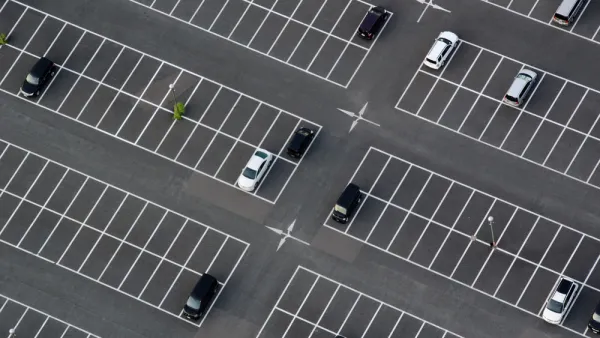
Parking Reform Gains Momentum
More cities and states around the country are recognizing the value of eliminating parking requirements.

Toronto City Council Removes Most Minimum Parking Requirements
The parking reform movement has a major new feather in its cap: the Toronto City Council has this week adopted sweeping changes to the parking requirements of the city's zoning bylaws.
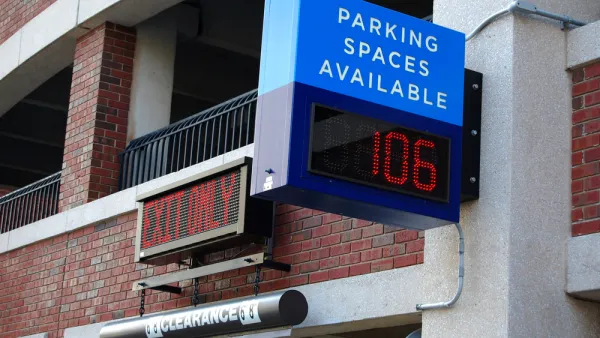
California Bill Would Eliminate Parking Requirements Near Transit
The bill's author and housing advocates argue that easing parking requirements would ease the state's affordable housing crisis and promote the state's climate goals.

The state-sanctioned urbicide of Austin
People don’t kill cities. Freeways do.

US to reduce Colorado River water deliveries to Mexico
A new Colorado Treaty amendment reduces Mexico’s Colorado River water allocation by 250,000 acre feet.

New Jersey’s second-largest city bans standalone data centers
Jersey City will continue to allow co-location facilities, such as those meant for research institutions that store their own data.

Amtrak not solely to blame for New Jersey commuter rail's unreliability, report finds
A new study from the Garden State Initiative found that NJ Transit’s budget grew 20% across a 4 year period, but reliability declined significantly over the same period.

EPA erases limits on planet-warming pollution from power plants
Under Monday’s plan, power plants would still have some limits on how much mercury, arsenic and other contaminants they can emit.

Phoenix announces new on-demand transit service, more frequent RAPID buses
Both new services will launch in October, and are part of Phoenix's Project Effective Access Solutions for Easing Congestion.

FREE Course: Walkable City 1: Why Walkability?
After describing his path towards focusing on walkability as the essence of good planning, Jeff Speck marches through his five principal reasons for making more walkable places.
Reinventing Malls: Planning Alchemy—Turning Gray Fields Into Gold
The course focuses on the opportunities and imperatives that shape reinvention of mall sites.

Eagle County Government
Harvard University Graduate School of Design
Nashville Planning Department
The Architects Foundation
University of Cincinnati Online
The Pocatello Development Authority
The Urban Renewal Agency of the City of Pocatello
Journal of the American Planning Association