Under certain circumstances, states can conduct environmental reviews under state rather than federal regulations.


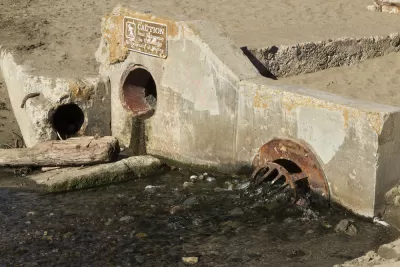
A pilot program suggested in the 2015 Fixing America's Surface Transportation Act was approved by the Federal Railroad Administration, Federal Transit Administration, and Federal Highway Administration, establishing rules for allowing states to forgo the federal National Environmental Policy Act (NEPA) in environmental reviews in favor of using state regulations.
Effective January 27, the new rule permits environmental review and approval under state laws "under certain circumstances" in an effort to streamline transportation projects and reduce red tape.
The National Environmental Policy Act (NEPA), passed in 1970, requires federal agencies to assess the "environmental and related social and economic effects of their proposed actions" and provide opportunities for public comment before approving permits.
FULL STORY: Federal pilot to allow some projects to avoid NEPA


Misuse of Environmental Laws Betrays Their Intent
How laws written to protect natural resources and biodiversity are being reinterpreted by NIMBY groups to block development.
New House Transportation Reauthorization Bill Expected for Mark Up This Week
The current patch bill funding highway and transit spending expires on Oct. 29. The House Transportation and Infrastructure Committee has released a multi-year bill called the Surface Transportation Reauthorization & Reform Act of 2015 (STRR Act).
Obama to Expand NEPA Reviews to Consider Climate Change
It what would be a significant policy shift that could impact major projects that are subject to federal oversight, the Obama administration is expected to guide all federal agencies to consider the impact on global warming in their NEPA reviews.

The state-sanctioned urbicide of Austin
People don’t kill cities. Freeways do.

US to reduce Colorado River water deliveries to Mexico
A new Colorado Treaty amendment reduces Mexico’s Colorado River water allocation by 250,000 acre feet.

New Jersey’s second-largest city bans standalone data centers
Jersey City will continue to allow co-location facilities, such as those meant for research institutions that store their own data.

Amtrak not solely to blame for New Jersey commuter rail's unreliability, report finds
A new study from the Garden State Initiative found that NJ Transit’s budget grew 20% across a 4 year period, but reliability declined significantly over the same period.

EPA erases limits on planet-warming pollution from power plants
Under Monday’s plan, power plants would still have some limits on how much mercury, arsenic and other contaminants they can emit.

Phoenix announces new on-demand transit service, more frequent RAPID buses
Both new services will launch in October, and are part of Phoenix's Project Effective Access Solutions for Easing Congestion.

FREE Course: Walkable City 1: Why Walkability?
After describing his path towards focusing on walkability as the essence of good planning, Jeff Speck marches through his five principal reasons for making more walkable places.
Reinventing Malls: Planning Alchemy—Turning Gray Fields Into Gold
The course focuses on the opportunities and imperatives that shape reinvention of mall sites.

Eagle County Government
Harvard University Graduate School of Design
Nashville Planning Department
The Architects Foundation
University of Cincinnati Online
The Pocatello Development Authority
The Urban Renewal Agency of the City of Pocatello
Journal of the American Planning Association