The Washington State Department of Transportation is undertaking a legally mandated update of its plan for bike and pedestrian infrastructure.



The state of Washington has published a draft of part one of its updated State Active Transportation Plan. The draft is the first step toward updating a plan approved by the state in 2008.
"Part one of the plan is in large part devoted to high level concepts around walking, biking, and rolling facilities, overall purpose and need, the current state of Washington’s active transportation infrastructure, and what WSDOT has heard from community member while conducting public outreach for the plan," according to the assessment of an article by Ryan Packer.
"Part two, which will come out next year, will cover specific policy topics around project implementation, performance measures, and next steps for developing an actual implementation plan- in other words, even deeper into the weeds," adds Packer.
The Washington State Department of Transportation, responsible for the plan, will receive public comment on the draft until February 15, 2021. Totaling 184 pages, the entire draft is a big bite to chew, so Packer is offering insight into a particularly rich section of the report—Chapter 4, which examines the potential costs of the state's active transportation needs and priorities.
Read the full story: Time to comment on the Washington State Active Transportation Plan


Pensacola Launches Active Transportation Plan
Pensacola, Florida, one of the least safe localities for pedestrians in a state full of them, is seeking public feedback for a new Active Transportation Plan.
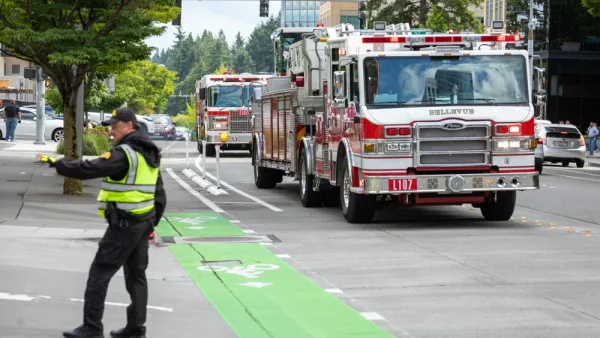
Washington State Moving Ahead With Complete Streets
Move Ahead Washington, a law approved by the Washington State Legislature earlier this year, is expected to have a huge effect on transportation planning and engineering on state-controlled roads.
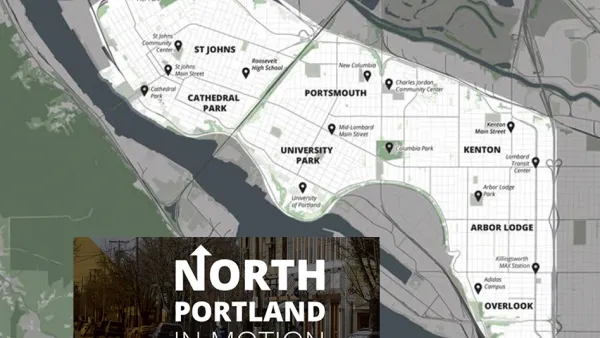
North Portland in Motion Launches with Goals to Improve Walking, Biking, and Transit
The Portland Bureau of Transportation continues its work of drafting transportation plans targeted to specific geographic corners of the city,

Planetizen Federal Action Tracker
A weekly monitor of how Trump’s orders and actions are impacting planners and planning in America.

Data reveals that NYC’s bet on congestion pricing has paid off
After almost two years of the program, reports show positive impacts on traffic and air quality and no disruptions to parking.
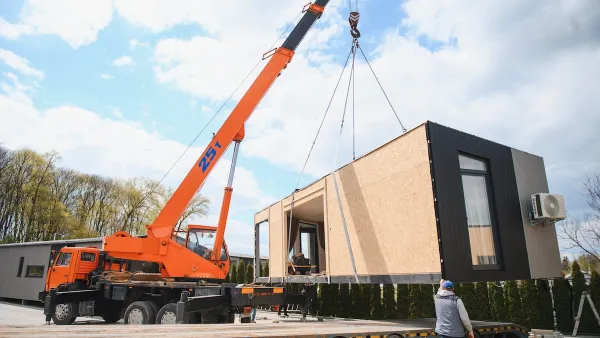
HUD modernizes 50-year-old manufactured housing framework
The Next Generation Manufactured Housing Action Plan establishes new energy-efficiency standards for manufactured homes, and new guidelines for anchoring them.

New Mexico spent millions drafting climate goals. Data centers are unraveling them
Three data centers in New Mexico and El Paso will release more emissions yearly than 2 million cars in the same timeframe.

This Ohio town is using AI to speed up transit analysis
The Greater Dayton Regional Transit Authority’s new AI tool correctly determined riders’ preferred ways to reach key commuter routes.

Yet again, Seattle’s density zoning update is hit with delays
The city must now examine the ‘maximum possible development’ under a future zoning scenario, rather than the ‘maximum likely development.’

FREE Course: Walkable City 1: Why Walkability?
After describing his path towards focusing on walkability as the essence of good planning, Jeff Speck marches through his five principal reasons for making more walkable places.
Reinventing Malls: Planning Alchemy—Turning Gray Fields Into Gold
The course focuses on the opportunities and imperatives that shape reinvention of mall sites.

One Hundred Miles
County of Mendocino
planning NEXT
The Architects Foundation
University of Cincinnati Online
Montrose County
Northern Illinois Transit Authority (NITA)
The Pocatello Development Authority