Despite 80% of survey respondents wanting a reduction in volume on Erie's waterfront parkway and improved pedestrian and bicycle access to the city's waterfront, PennDOT plans instead to double traffic as part of a $120 million high-speed bypass.


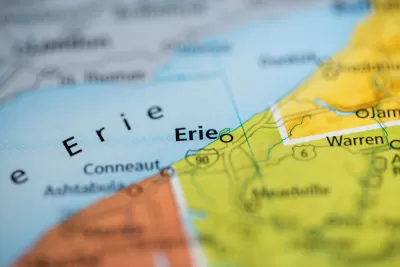
A lawsuit filed this month in U.S. District Court accusing the Pennsylvania Department of Transportation of rushing through a road building project opponents say will further segment historically marginalize, environmental justice communities near downtown Erie.
The National Association for the Advancement of Colored People's Erie Unit (NAACP – Erie Unit) and Citizens for Pennsylvania’s Future (PennFuture), filed a lawsuit this month challenging the Federal Highway Administration’s approval of the Erie Bayfront Parkway Project, according to a press release from Earthjustice, the nonprofit public interest environmental law organization representing the plaintiffs.
According to the press release, PennDOT violated the National Environmental Policy Act, the Administrative Procedure Act, and the Federal Aid Highway Act by failing to examine the project’s potentially significant impacts. "The lawsuit filed today with the U.S. District Court for the Western District of Pennsylvania seeks a full environmental analysis, as well as adequate and documented public review of alternative parkway project designs before expanding the Bayfront Parkway — a major road that runs through Erie’s waterfront."
The press release includes more details on the planning and engineering process that provoked the lawsuit, along with soundbites from officials with the plaintiffs about the potential impact of the project.
FULL STORY: Groups File Lawsuit Challenging PennDOT and FHA’s Vehicles-First Erie Bayfront Parkway Project


Misuse of Environmental Laws Betrays Their Intent
How laws written to protect natural resources and biodiversity are being reinterpreted by NIMBY groups to block development.
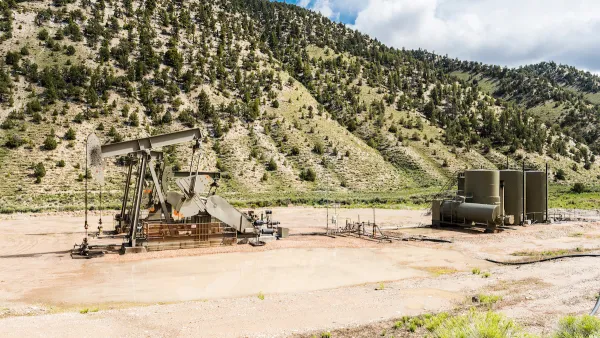
Utah Oil Shale Extraction Dealt Major Setback
The Surface Transportation Board's approval in 2021 of a proposed 85-mile Uinta Basin Railway in Utah that would have enabled increased extraction of the world's largest source of oil shale was partially vacated by a federal appeals court last month.

NJ v. U.S. DOT: Cordon Pricing in Manhattan
The State of New Jersey filed a federal lawsuit against the U.S. Department of Transportation on Friday to halt the Manhattan cordon pricing project approved in June by the FHWA, charging that they violated the National Environmental Protection Act.

The state-sanctioned urbicide of Austin
People don’t kill cities. Freeways do.

US to reduce Colorado River water deliveries to Mexico
A new Colorado Treaty amendment reduces Mexico’s Colorado River water allocation by 250,000 acre feet.

New Jersey’s second-largest city bans standalone data centers
Jersey City will continue to allow co-location facilities, such as those meant for research institutions that store their own data.

Amtrak not solely to blame for New Jersey commuter rail's unreliability, report finds
A new study from the Garden State Initiative found that NJ Transit’s budget grew 20% across a 4 year period, but reliability declined significantly over the same period.

EPA erases limits on planet-warming pollution from power plants
Under Monday’s plan, power plants would still have some limits on how much mercury, arsenic and other contaminants they can emit.

Phoenix announces new on-demand transit service, more frequent RAPID buses
Both new services will launch in October, and are part of Phoenix's Project Effective Access Solutions for Easing Congestion.

FREE Course: Walkable City 1: Why Walkability?
After describing his path towards focusing on walkability as the essence of good planning, Jeff Speck marches through his five principal reasons for making more walkable places.
Reinventing Malls: Planning Alchemy—Turning Gray Fields Into Gold
The course focuses on the opportunities and imperatives that shape reinvention of mall sites.

Eagle County Government
Harvard University Graduate School of Design
Nashville Planning Department
The Architects Foundation
University of Cincinnati Online
The Pocatello Development Authority
The Urban Renewal Agency of the City of Pocatello
Journal of the American Planning Association