America's historic Black cemeteries, which have long fallen victim to displacement, relocation, and outright destruction, could have a new ally in the fight for preservation and recognition.


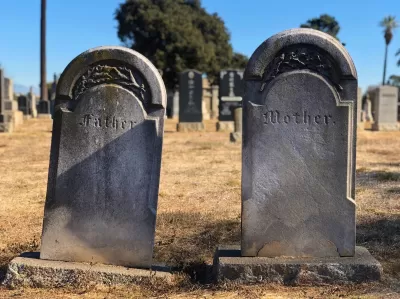
The "African American Burial Grounds Network Act" proposes connecting Black cemeteries and burial sites across the country in a formal network and providing grant funding for research and restoration of sites. The bill hopes to reverse the loss of historic burial grounds and bring together the disparate web of volunteers and descendants who work to maintain historic cemeteries and bring their stories to light.
Despite repeated attempts by local communities to protect burial grounds, cities have frequently failed to prevent development from trumping the historic and spiritual significance of burial sites. In Richmond, Virginia, the city's Black cemetery was moved twice, largely at the whim of white residents moving into the newly suburbanized northside neighborhoods. Even today, a Maryland highway expansion project threatens to relocate dozens of gravesites from the 1890s. Without institutional protection or funding, historic Black cemeteries risk disappearing—and with them, huge chunks of American history.
The process of reclaiming graves, particularly when they've already been relocated or built over, can be painstaking and expensive. Volunteers like the Bethesda African Cemetery Coalition in Maryland pour thousands of hours into researching historic sites, advocating with cities and property owners, and fundraising for plaques and memorials. If the proposed legislation passes, the funding and exposure (the program would fall under the purview of the National Parks Service) could support more comprehensive preservation plans and ensure long-term protection for historic Black cemeteries.
Read the full story: A New Generation of Volunteers Are Rescuing Historic Black Cemeteries—And Black History

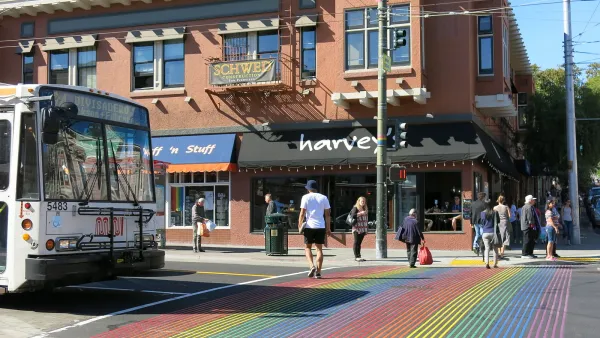
Historic Preservation of LGBTQ Spaces
New research seeks to provide a better understanding of the relationship between historic preservation and neighborhood change in the LGBTQ community.
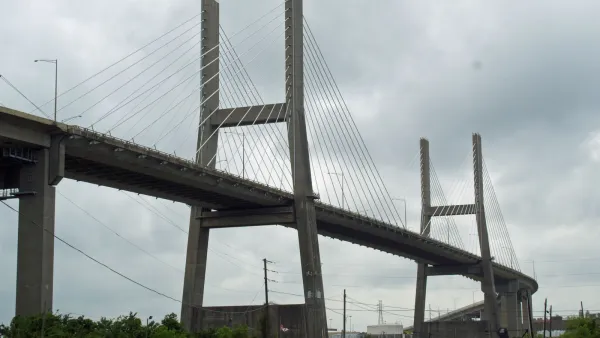
Historic Black Alabama Community Fights Displacement for Concrete Plant
Residents of Mobile’s Africatown neighborhood say building a concrete plant near homes and a historic site is “a step backwards.”
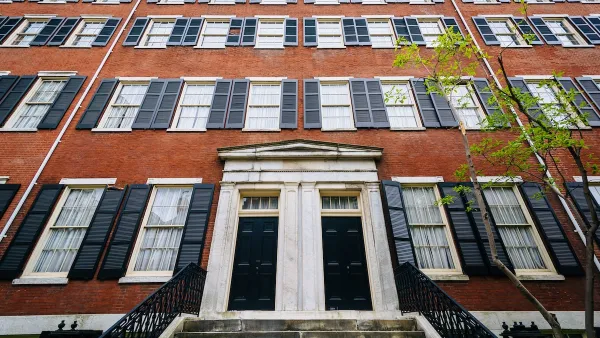
Philly Residents Push Back on New Historic Preservation District
Some residents of Philadelphia’s newly designated Washington Square West Historic District say the community was left out of the decision-making process that could impact housing costs and building requirements.

Planetizen Federal Action Tracker
A weekly monitor of how Trump’s orders and actions are impacting planners and planning in America.

The state-sanctioned urbicide of Austin
People don’t kill cities. Freeways do.

US to reduce Colorado River water deliveries to Mexico
A new Colorado Treaty amendment reduces Mexico’s Colorado River water allocation by 250,000 acre feet.

Nation's most wind-powered state turns to coal as data centers increase energy demand
For the first time in decades, Iowa has increased its generation of coal power.

NYC cools commuters with city's first rain garden above a bus stop
New York City officials say the plants in the rain garden can absorb 16 gallons of rainwater during heavy storms.

Brightline West’s future may rely on $6 billion federal loan
The company has until Nov. 2 to make a $400 million equity investment into its proposed high-speed rail line.

FREE Course: Walkable City 1: Why Walkability?
After describing his path towards focusing on walkability as the essence of good planning, Jeff Speck marches through his five principal reasons for making more walkable places.
Reinventing Malls: Planning Alchemy—Turning Gray Fields Into Gold
The course focuses on the opportunities and imperatives that shape reinvention of mall sites.

Eagle County Government
Harvard University Graduate School of Design
Nashville Planning Department
The Architects Foundation
University of Cincinnati Online
The Pocatello Development Authority
The Urban Renewal Agency of the City of Pocatello
Journal of the American Planning Association