Even with the world shut down, many California planning issues continued to be debated online, fought over in court, enacted in city halls, and realized on the ground. And yet, racial equity and the pandemic are the defining stories of 2020.



"2020 unexpectedly generated more writing about urban planning in the mainstream media than any other year in recent memory. And not for pleasant reasons. The COVID-19 pandemic brought urban life to a halt, inspiring news articles and photo essays about newly desolate streets, strained finances, and imperiled businesses."
"CP&DR covered the COVID-19 crisis in many ways, particularly its immediate impact on the planning profession. Our coverage of race, the other major story of 2020, revolved around commentary. Inequities in cities, from explicit policies like redlining, to the de facto racial exclusivity of suburbs, to everyday realities of Black and Brown poverty were not breaking news. But 2020 brought a heightened awareness of them and newfound willingness to discuss them, and we tried to do our part. And, of course, there was plenty of 'regular' planning news to go around."
FULL STORY: A Year Like No Other

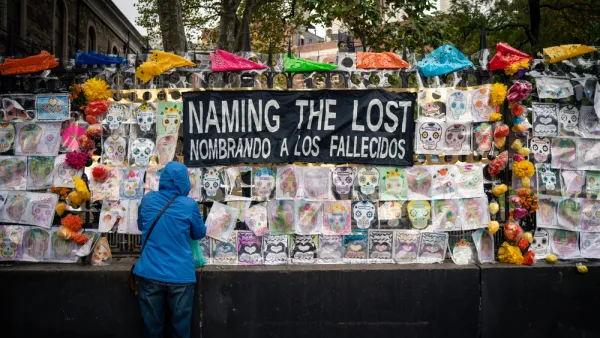
Nine Months Later: How the Pandemic Is Changing Communities
Planetizen shares the latest in a series of compendia tackling the effects of the pandemic, now and in the future, for cities and communities.
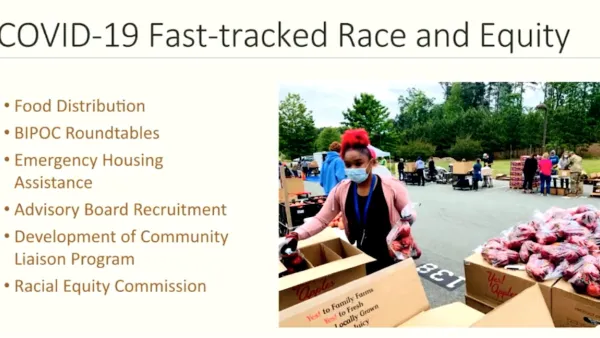
Equity and 'Righting Past Wrongs' to Start the 2021 National Planning Conference
The American Planning Association's 2021 National Planning Conference started streaming this morning, with an obvious focus on equity and the historical role of the planning profession in perpetuating systemic racism.

Covid Burnout Causing Mayoral Turnover
A large number of local leaders are leaving office ahead of schedule; many report Covid burnout as the cause of their departure.

Planetizen Federal Action Tracker
A weekly monitor of how Trump’s orders and actions are impacting planners and planning in America.

The state-sanctioned urbicide of Austin
People don’t kill cities. Freeways do.

US to reduce Colorado River water deliveries to Mexico
A new Colorado Treaty amendment reduces Mexico’s Colorado River water allocation by 250,000 acre feet.

5 New England states march closer to 800 megawatt wind energy project
Securing federal approval for the project may be complicated under the Trump administration, which has historically been hostile towards domestic wind power.

Baltimore to break ground on $50 million Transit Priority Project
The project will bring faster bus trips, safer streets and better bike connections to Baltimore.

Airbnb launches $250 million 'last-dollar financing' housing accelerator, makes first investment in Austin
The company will put $6.4 million towards affordable housing development in Texas’ capital.

FREE Course: Walkable City 1: Why Walkability?
After describing his path towards focusing on walkability as the essence of good planning, Jeff Speck marches through his five principal reasons for making more walkable places.
Reinventing Malls: Planning Alchemy—Turning Gray Fields Into Gold
The course focuses on the opportunities and imperatives that shape reinvention of mall sites.

Eagle County Government
Harvard University Graduate School of Design
Nashville Planning Department
The Architects Foundation
University of Cincinnati Online
The Pocatello Development Authority
The Urban Renewal Agency of the City of Pocatello
Journal of the American Planning Association