According to a study, Disneyland could comfortably accommodate 50% of the 110-acre theme park’s pre-COVID-19 attendance capacity.


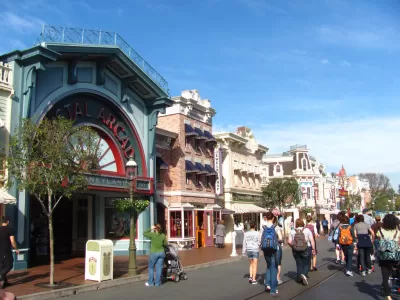
When is Disneyland going to re-open? Many want to know, but we still do not have the answer to this question. In the meantime, we can get an idea of the number of folks that the highly popular theme park can accommodate while complying with COVID-19 protocols and requirements, a all thanks to an article by reporter Brady MacDonald that discusses the findings of a study by Brad Kissling, a landscape architect and theme park planner with Thinkwell Group.
Findings of the study reveal:
- Disneyland could theoretically let in 25,000 to 30,000 visitors per day and still allow for six feet of physical distancing per person when the theme park reopens with new COVID-19 health and safety protocols in place.
- In pre-COVID-19 times, theme park density tended to range between 500 and 650 people per acre. During the COVID-19 era, those numbers will need to be cut in half—to 250 to 325 people per acre—to accommodate appropriate physical distancing.
- Disneyland accommodated approximately 545 people per acre in the pre-COVID-19 era and would need to reduce those numbers by 50% to allow for appropriate physical distancing in the “new normal.” On the low end that would be about 25,000 visitors per day and on the high end approximately 30,000.
Disneyland rarely discusses attendance or capacity figures for the park so Thinkwell had to make some assumptions to come up with its estimates. Nevertheless, this is interesting information, especially for those eager to return to Disneyland. The Thinkwell white paper referenced in this article is fascinating and contains graphics that help readers understand density-related issues at theme parks.
FULL STORY: Disneyland could allow for social distancing at 50% capacity, data shows

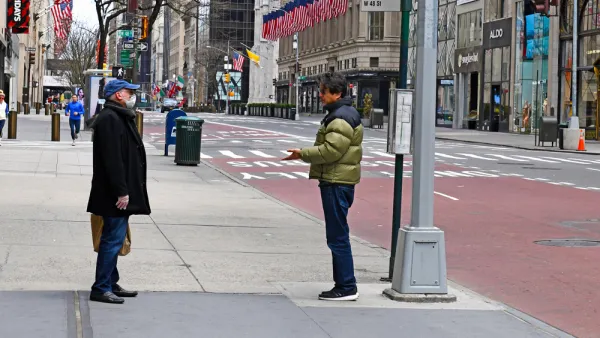
Friday Eye Candy: Covid-19, Then and Now
The New York Times compared images from readers portraying similar scenes in 2020 and 2022.
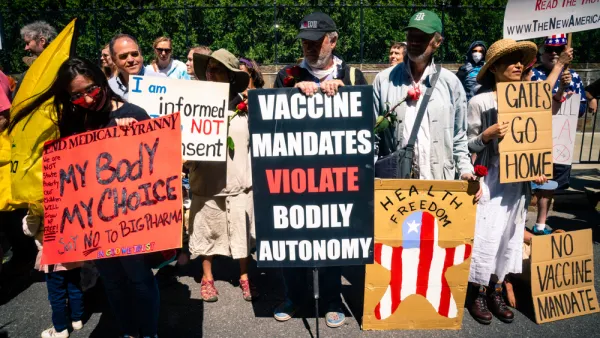
The Shifting Demographics of Covid-19
For most of the Covid-19 pandemic, Black Americans died at much higher rates than White Americans. That trend has reversed at times during the past year.
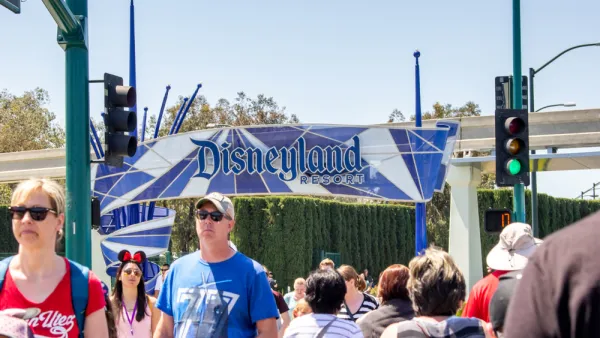
Disneyland Is Too Crowded. Is More Capacity Needed?
Disneyland has a plan to create more supply to meet contemporary demand, a strategy reminiscent of contemporary debates surrounding housing and transportation.

The state-sanctioned urbicide of Austin
People don’t kill cities. Freeways do.

US to reduce Colorado River water deliveries to Mexico
A new Colorado Treaty amendment reduces Mexico’s Colorado River water allocation by 250,000 acre feet.

New Jersey’s second-largest city bans standalone data centers
Jersey City will continue to allow co-location facilities, such as those meant for research institutions that store their own data.

Amtrak not solely to blame for New Jersey commuter rail's unreliability, report finds
A new study from the Garden State Initiative found that NJ Transit’s budget grew 20% across a 4 year period, but reliability declined significantly over the same period.

EPA erases limits on planet-warming pollution from power plants
Under Monday’s plan, power plants would still have some limits on how much mercury, arsenic and other contaminants they can emit.

Phoenix announces new on-demand transit service, more frequent RAPID buses
Both new services will launch in October, and are part of Phoenix's Project Effective Access Solutions for Easing Congestion.

FREE Course: Walkable City 1: Why Walkability?
After describing his path towards focusing on walkability as the essence of good planning, Jeff Speck marches through his five principal reasons for making more walkable places.
Reinventing Malls: Planning Alchemy—Turning Gray Fields Into Gold
The course focuses on the opportunities and imperatives that shape reinvention of mall sites.

Eagle County Government
Harvard University Graduate School of Design
Nashville Planning Department
The Architects Foundation
University of Cincinnati Online
The Pocatello Development Authority
The Urban Renewal Agency of the City of Pocatello
Journal of the American Planning Association