A recently published study predicts a 4 to 7 percent decline in greenhouse gas emissions for 2020 compared to 2019.


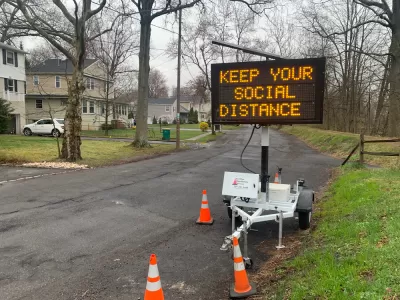
"The wave of lockdowns and shuttered economies caused by the coronavirus pandemic fueled a momentous decline in global greenhouse gas emissions, although one unlikely to last," reports Chris Mooney, Brady Dennis, and John Muyskens.
Those conclusions are sourced from a study published on May 19 in the journal Nature Climate Change. According to the study, the peak decline in greenhouse gas emissions reached 17 percent in mid-April, although some nations achieved a much larger reduction.
The study "projects that total emissions for 2020 will likely fall between 4 and 7 percent compared to the prior year — an unheard-of drop in normal times, but considerably less dramatic than the decline during the first few months of the year when economies screeched to a halt," according to the article.
The prediction of a 4 to 7 percent reduction in greenhouse gas emissions is in line with a target shared by Planetizen earlier this month: that the worldwide reduction in transportation as a result of stay-at-home orders and social distancing would result in a five percent reduction in greenhouse gas emissions—perhaps smaller a figure than many might expect, and far less of a temporary change than necessary to prevent the worst effects of climate change in the long-term.
FULL STORY: Global emissions plunged an unprecedented 17 percent during the coronavirus pandemic

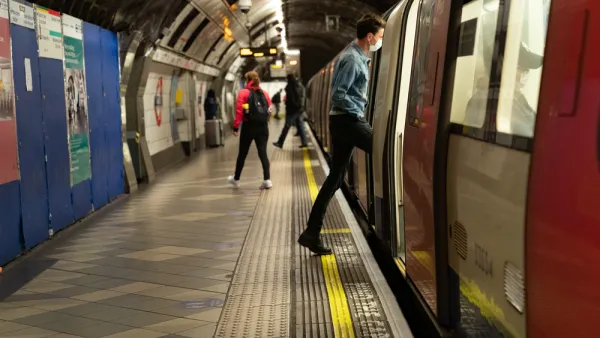
Falling Transit Ridership 'Disastrous' for Greenhouse Gas Reductions
With ridership at record lows and agencies struggling to stay afloat, public transit around the world will need robust investment to recover after the pandemic.
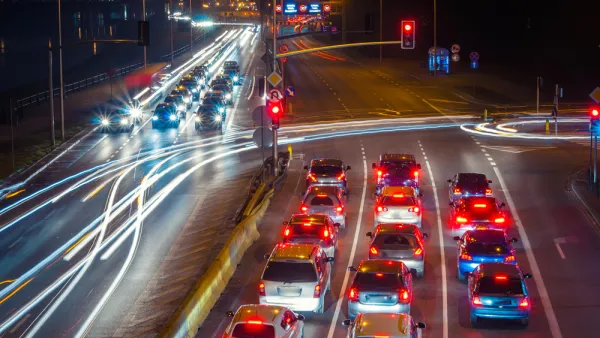
Where the Pandemic Has Scrambled Traffic Patterns
The map of metropolitan areas that drive least, and thus emit fewer greenhouse gas emissions, has been completely redrawn by the pandemic, according to a recent report.
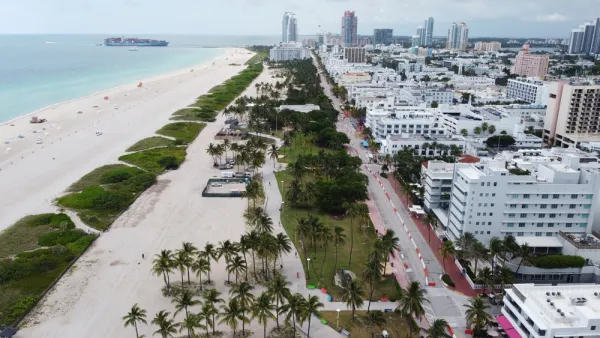
The Cost of COVID Carbon Reduction: $3,200-$5,400 a Ton
The short-term environmental effects of the pandemic economic downturn are clear in the amount of carbon emissions that have been removed from the economy. The long-term effects, however, are subject to a number of contingencies.

The state-sanctioned urbicide of Austin
People don’t kill cities. Freeways do.

US to reduce Colorado River water deliveries to Mexico
A new Colorado Treaty amendment reduces Mexico’s Colorado River water allocation by 250,000 acre feet.

New Jersey’s second-largest city bans standalone data centers
Jersey City will continue to allow co-location facilities, such as those meant for research institutions that store their own data.

Amtrak not solely to blame for New Jersey commuter rail's unreliability, report finds
A new study from the Garden State Initiative found that NJ Transit’s budget grew 20% across a 4 year period, but reliability declined significantly over the same period.

EPA erases limits on planet-warming pollution from power plants
Under Monday’s plan, power plants would still have some limits on how much mercury, arsenic and other contaminants they can emit.

Phoenix announces new on-demand transit service, more frequent RAPID buses
Both new services will launch in October, and are part of Phoenix's Project Effective Access Solutions for Easing Congestion.

FREE Course: Walkable City 1: Why Walkability?
After describing his path towards focusing on walkability as the essence of good planning, Jeff Speck marches through his five principal reasons for making more walkable places.
Reinventing Malls: Planning Alchemy—Turning Gray Fields Into Gold
The course focuses on the opportunities and imperatives that shape reinvention of mall sites.

Eagle County Government
Harvard University Graduate School of Design
Nashville Planning Department
The Architects Foundation
University of Cincinnati Online
The Pocatello Development Authority
The Urban Renewal Agency of the City of Pocatello
Journal of the American Planning Association