The latest chapter of the retail apocalypse is not a happy one.


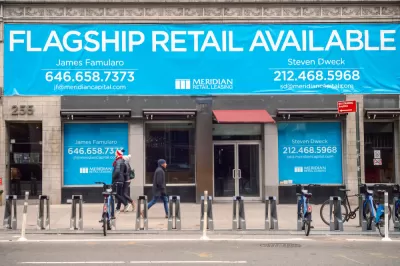
Reports of the "retail apocalypse" have been circulating for years, blamed on both the effects of online shopping and private equity. The fate of department stores, already shuttered in high-profile locations all over the country, have been particularly telling. Now a new culprit risks the fiscal health of department stores: the novel coronavirus.
Sapna Maheshwari and Vanessa Friedman report for The New York Times on the dire straits facing department stores in 2020:
But nothing compares to the shock the weakened industry has taken from the coronavirus pandemic. The sales of clothing and accessories fell by more than half in March, a trend that is expected to only get worse in April. The entire executive team at Lord & Taylor was let go this month. Nordstrom has canceled orders and put off paying its vendors. The Neiman Marcus Group, the most glittering of the American department store chains, is expected to declare bankruptcy in the coming days, the first major retailer felled during the current crisis.
Industry observers expect that department stores, and the retail landscape, will never be the same.
FULL STORY: The Death of the Department Store: ‘Very Few Are Likely to Survive’


American Dream Mall, Delayed Due to Coronavirus, Will Open Testing Facility
Delays have been part of the story with the American Dream mall in New Jersey since its earliest inception, and the mall has been lauded in the past for evolving to match the American retail landscape.
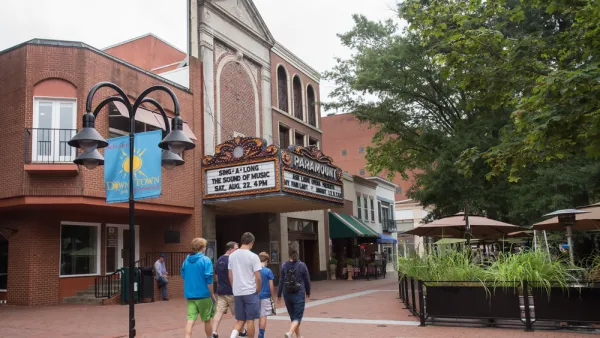
Post-Pandemic Era of Shopping Malls Creates Opportunities for Downtowns
The COVID-19 pandemic and massive mall-retailer closings has left millions of highly skilled workers from the retail and food and beverage industries unemployed and eager to work. Many will seek to open their own businesses in downtowns.
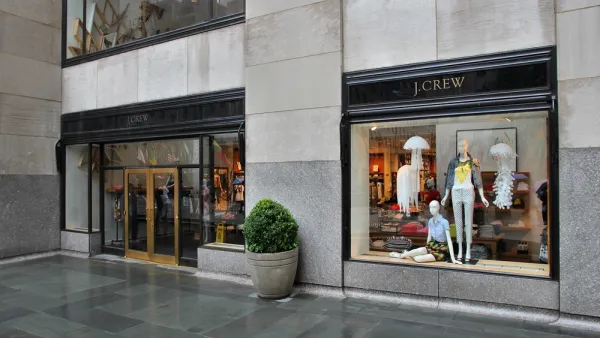
J. Crew the First National Apparel Chain to Fall During the Pandemic; More Expected to Follow
Another brutal chapter of the retail apocalypse is underway.

Planetizen Federal Action Tracker
A weekly monitor of how Trump’s orders and actions are impacting planners and planning in America.

The state-sanctioned urbicide of Austin
People don’t kill cities. Freeways do.

US to reduce Colorado River water deliveries to Mexico
A new Colorado Treaty amendment reduces Mexico’s Colorado River water allocation by 250,000 acre feet.

5 New England states march closer to 800 megawatt wind energy project
Securing federal approval for the project may be complicated under the Trump administration, which has historically been hostile towards domestic wind power.

Baltimore to break ground on $50 million Transit Priority Project
The project will bring faster bus trips, safer streets and better bike connections to Baltimore.

Airbnb launches $250 million 'last-dollar financing' housing accelerator, makes first investment in Austin
The company will put $6.4 million towards affordable housing development in Texas’ capital.

FREE Course: Walkable City 1: Why Walkability?
After describing his path towards focusing on walkability as the essence of good planning, Jeff Speck marches through his five principal reasons for making more walkable places.
Reinventing Malls: Planning Alchemy—Turning Gray Fields Into Gold
The course focuses on the opportunities and imperatives that shape reinvention of mall sites.

Eagle County Government
Harvard University Graduate School of Design
Nashville Planning Department
The Architects Foundation
University of Cincinnati Online
The Pocatello Development Authority
The Urban Renewal Agency of the City of Pocatello
Journal of the American Planning Association