Despite the drastic funding limitation imposed by Washington's voter-approved Initiative 976, the state found a way to fund $10.4 billion in (mostly highway) transportation projects.


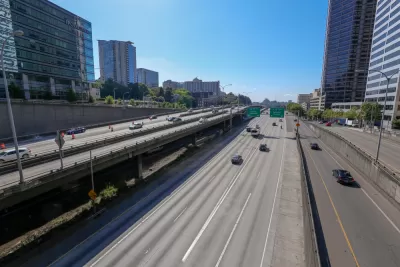
On March 13, Doug Trumm reported about the approval of a $10.4 billion transportation funding package approved by the Washington State Legislature.
According to Trumm, the funding mostly focuses on highway projects, and responds to the post-Initiative 976 era in Washington.
By capping state car tabs and licensing fees at $30, I-976 decimated the budgets of local transportation agencies and the state department alike. That said, an appeal brought by a number of those agencies did win an injunction delaying those cuts until the constitutionality question is answered–and it may end up being the Washington Supreme Court that gets the last word.
A little "budget magic" managed to free the $10.4 billion in transportation funding, according to the article. Senator Steve Hobbs (D-Lake Stevens), chair of the Senate Transportation Committee, is pushing for a new source of revenue to fund what Trumm characterizes as "pet highway projects."
"The wave of highway projects let loose yesterday was headlined by another billion-plus project: the North Spokane Corridor, creating an US Route 395 freeway bypass of Spokane," according to Trumm.
Read the full story: Legislature Authorizes $10 Billion in Highway Spending
For Transportation, Real Reform Can Only Happen at the State and Local Levels
Without buy-in for new ways of thinking at the state level, the presidential election is not likely to change much about the ways the United States plans and funds transportation infrastructure.
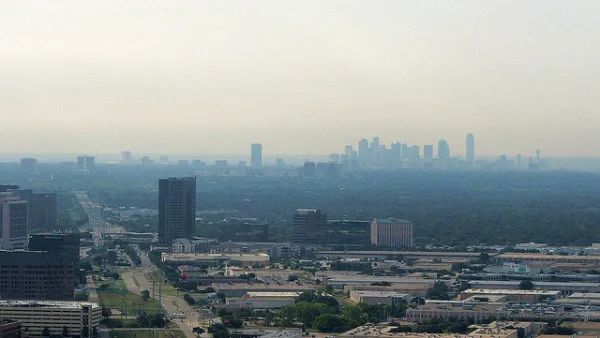
Major Battle Over Highway Project Funding Looms in North Texas
To ensure funding for the LBJ East, Texas Transportation Commission officials might take three other major highway projects off the table.

Report: Caltrans Models, Which Guide Billions in Transportation Funding, are Inaccurate and Outdated
Many of the predictive models used by California’s transportation agency fail to account for post-pandemic travel patterns and induced demand.

Planetizen Federal Action Tracker
A weekly monitor of how Trump’s orders and actions are impacting planners and planning in America.

California plans to bury El Niño’s downpour
If the state plays its cards right, it may be able to store a billion acre-feet of El Niño’s water in aquifers.

Desperate measures: Advocates weigh draining Lake Powell to fill Colorado River
Draining the reservoir could reduce evaporation losses by a couple hundred thousand acre-feet.

In Texas, data centers are swallowing promised parkland
Residents who moved to Taylor, Texas for a rural community now have to contend with three data centers in their backyard.

How a Chicago-sized wind farm beat the odds and powered on
The project spanned five presidential administrations and a standoff with a U.S. military base.

MTA gives itself 30 days to transform pit into basketball court
The site has been under construction since 2022; the city originally estimated it would finish the court in 2024.

FREE Course: Walkable City 1: Why Walkability?
After describing his path towards focusing on walkability as the essence of good planning, Jeff Speck marches through his five principal reasons for making more walkable places.
Reinventing Malls: Planning Alchemy—Turning Gray Fields Into Gold
The course focuses on the opportunities and imperatives that shape reinvention of mall sites.

City of Rosemead
Rutgers University, Edward J. Bloustein School of Planning and Public Policy
One Hundred Miles
Hunter College, City University of New York (CUNY)
The Architects Foundation
University of Cincinnati Online
City of Cambridge
Montrose County
The Pocatello Development Authority