Severe flooding in these coastal areas will become the norm, but how to best address the environmental challenges is not entirely clear.


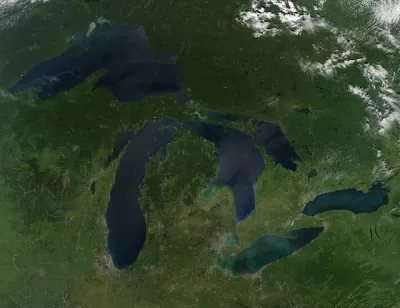
The last five years have been the wettest in Great Lakes history, and water levels have reached unprecedented highs, writes Peter Annin. "But some scientists believe a more complicated dynamic is at work: a warming climate that will continue to cause extreme fluctuations in weather and water levels, threatening havoc for lakeside homeowners, towns and cities, tourism and shipping."
Communities and residents in shoreline areas along the lakes need to prepare for a future of weather extremes, says Annin. But resiliency strategies have taken different forms. In Quebec, for example, officials are encouraging flooded property owners to take buyouts while New York officials are promoting the shoring up of land along Lake Ontario.
The question of whether investing in infrastructure and strategies to fight back rising waters makes sense remains up in the air. "Armoring the shoreline is one form of adaptation. Property buyouts are another. History will show which strategy is most effective over time. What’s clear is that some people have built too close to the water’s edge," notes Annin.
FULL STORY: Along the Great Lakes, It’s Time to Prepare for Extremes

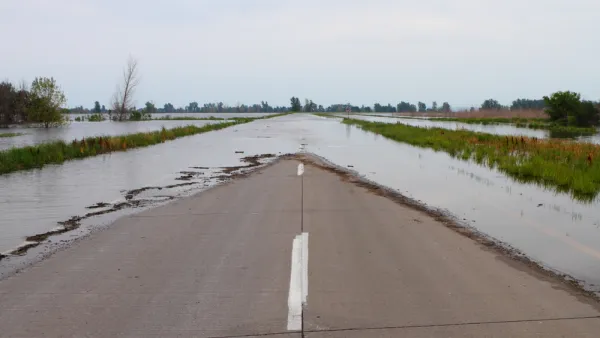
Rural Areas Left Behind in Climate Adaptation Plans
While resources pour in for urban climate resilience projects, smaller communities often bear the brunt of extreme weather events.
Centering Equity in Climate Adaptation
Avoiding the effects of climate change should not be a privilege for the wealthy.
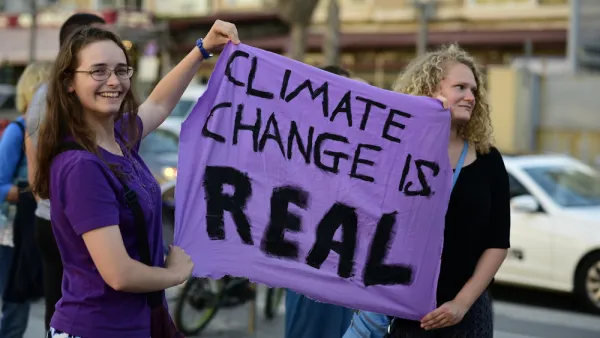
How Cities Can Support Climate Adaptation
In the face of federal cuts to climate resilience funding, a panel at ULI’s Resilience Summit offered suggestions for maintaining managed retreat and other climate adaptation programs.

Planetizen Federal Action Tracker
A weekly monitor of how Trump’s orders and actions are impacting planners and planning in America.

The state-sanctioned urbicide of Austin
People don’t kill cities. Freeways do.

US to reduce Colorado River water deliveries to Mexico
A new Colorado Treaty amendment reduces Mexico’s Colorado River water allocation by 250,000 acre feet.

5 New England states march closer to 800 megawatt wind energy project
Securing federal approval for the project may be complicated under the Trump administration, which has historically been hostile towards domestic wind power.

Baltimore to break ground on $50 million Transit Priority Project
The project will bring faster bus trips, safer streets and better bike connections to Baltimore.

Airbnb launches $250 million 'last-dollar financing' housing accelerator, makes first investment in Austin
The company will put $6.4 million towards affordable housing development in Texas’ capital.

FREE Course: Walkable City 1: Why Walkability?
After describing his path towards focusing on walkability as the essence of good planning, Jeff Speck marches through his five principal reasons for making more walkable places.
Reinventing Malls: Planning Alchemy—Turning Gray Fields Into Gold
The course focuses on the opportunities and imperatives that shape reinvention of mall sites.

Eagle County Government
Harvard University Graduate School of Design
Nashville Planning Department
The Architects Foundation
University of Cincinnati Online
The Pocatello Development Authority
The Urban Renewal Agency of the City of Pocatello
Journal of the American Planning Association