The capital city, known for its artists and party scene, is aiming to reduce gentrification by capping rent prices for a period of five years.


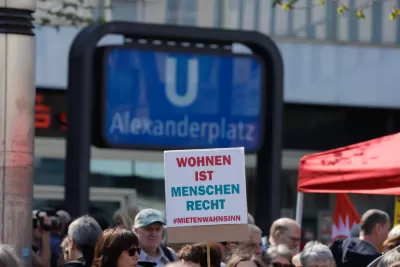
"Rental prices on more than 1.5 million Berlin apartments will be frozen or lowered for five years as a result of new legislation aimed at halting a recent spike in rents that is driving out older and lower-income residents," reports Melissa Eddy.
"The new law caps most rents in the city at 2019 levels and limits the amount that can be charged based on the apartment’s condition and amenities," according to Eddy.
Berlin is populated mostly by renters, according to the article. Only 18 percent of residents own homes.
The new rent control cap has sparked fierce debate in Berlin—the government currently running the city is leftist, but the conservative political faction in the city has threatened to challenge the law. The debate is similar to the one taking place in the United States as rent control gains popularity as a tool for controlling housing costs in a housing market defined by soaring rental prices.
FULL STORY: Berlin Freezes Rents for 5 Years in a Bid to Slow Gentrification

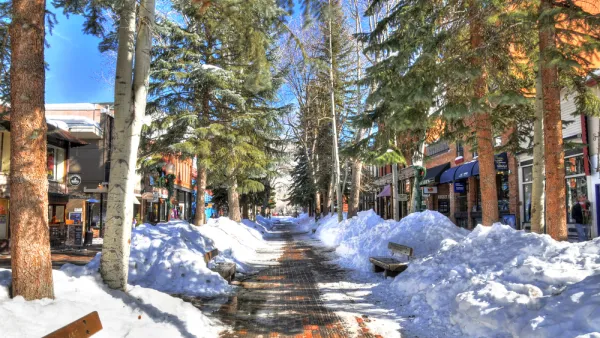
Aspen Presses Pause on New Construction, Short-Term Rentals
Residents and elected officials of the famously wealthy mountain town of Aspen don't like the way the city is headed.
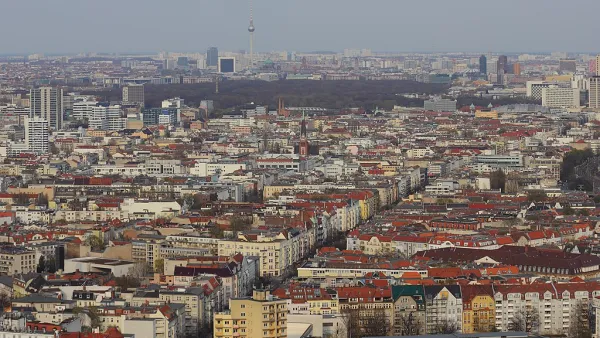
Berlin Voters Want to Expropriate 240,000 Apartments
A potentially watershed vote in the German capital.
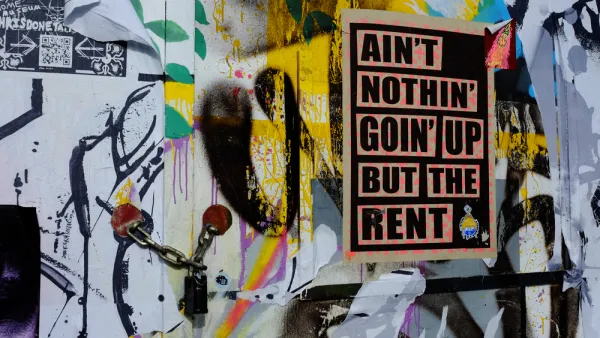
Tight For-Sale Market Leads to Record Price Spikes in the Rental Market
A supply-demand imbalance in the for-sale housing market will eventually spill into the rental market.

The state-sanctioned urbicide of Austin
People don’t kill cities. Freeways do.

US to reduce Colorado River water deliveries to Mexico
A new Colorado Treaty amendment reduces Mexico’s Colorado River water allocation by 250,000 acre feet.

New Jersey’s second-largest city bans standalone data centers
Jersey City will continue to allow co-location facilities, such as those meant for research institutions that store their own data.

Amtrak not solely to blame for New Jersey commuter rail's unreliability, report finds
A new study from the Garden State Initiative found that NJ Transit’s budget grew 20% across a 4 year period, but reliability declined significantly over the same period.

EPA erases limits on planet-warming pollution from power plants
Under Monday’s plan, power plants would still have some limits on how much mercury, arsenic and other contaminants they can emit.

Phoenix announces new on-demand transit service, more frequent RAPID buses
Both new services will launch in October, and are part of Phoenix's Project Effective Access Solutions for Easing Congestion.

FREE Course: Walkable City 1: Why Walkability?
After describing his path towards focusing on walkability as the essence of good planning, Jeff Speck marches through his five principal reasons for making more walkable places.
Reinventing Malls: Planning Alchemy—Turning Gray Fields Into Gold
The course focuses on the opportunities and imperatives that shape reinvention of mall sites.

Eagle County Government
Harvard University Graduate School of Design
Nashville Planning Department
The Architects Foundation
University of Cincinnati Online
The Pocatello Development Authority
The Urban Renewal Agency of the City of Pocatello
Journal of the American Planning Association