The city of Orlando, Florida is examined as the worst example of the nation's pedestrian safety crisis.


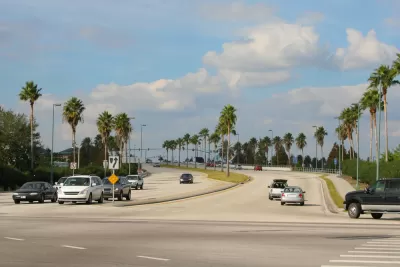
"There are roughly 25 to 30 collisions involving pedestrians every day in the greater Orlando region," writes Patrick Sisson, sharing information sourced from the Florida Highway Patrol.
"These horrific crashes only hint at the toll that traffic takes on pedestrians and cyclists in and around Orlando, which Smart Growth America’s Dangerous by Design reports have ranked most dangerous for pedestrians in all but one edition since 2009."
What makes Orlando different? According to Sisson, it's the cities complete commitment to designing streets built only for cars and speed. Sisson documents the development history of roadway infrastructure in the Orlando region back to 1956, and also lists some of the actions already underway to reduce the fatal costs of that design and engineering history. The efforts of Bill Hattaway, the city's transportation director (described by Sisson as an "urbanist reformer") are also discussed in detail.
FULL STORY: Orlando, the nation’s deadliest city for pedestrians, has a plan for safer streets

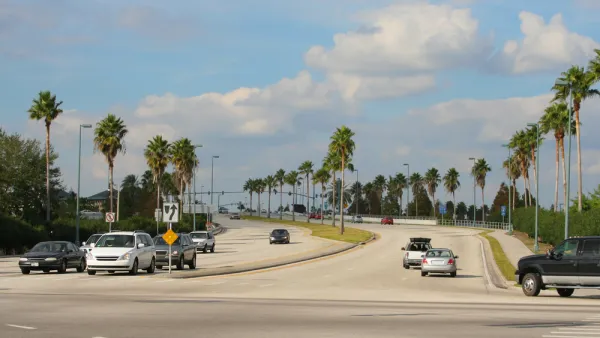
Florida DOT Taking a New, Data-Driven Approach to Pedestrian Safety
The Florida Department of Transportation is trying to change the state's status as the most dangerous in the nation for pedestrians, with 5,100 people killed while walking between 2003 and 2010.
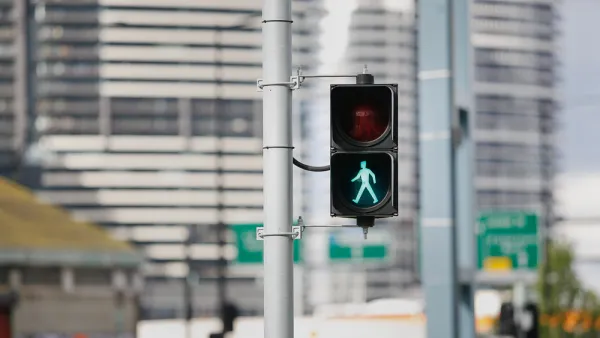
Historically Redlined Neighborhoods Have Higher Rates of Pedestrian Deaths, Study Says
The consequences of historic redlining continue to have consequences in the present day United States. Add another example to the list.
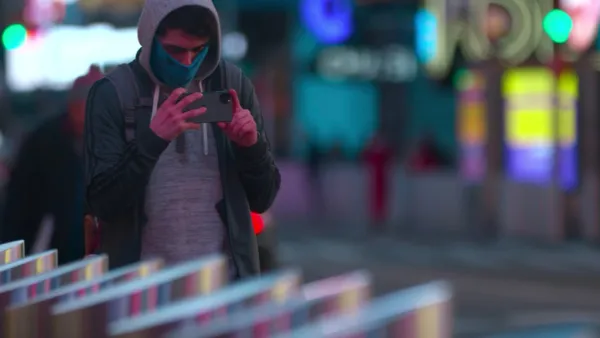
What Can Lessons From Traffic Safety Teach About the Covid Response?
Finger waggings aren't effective for pedestrian safety—so why should they work for public health? A "safe system" approach, created for traffic safety in Sweden, offers a model for improved pandemic public health outcomes, according to this opinion.

The state-sanctioned urbicide of Austin
People don’t kill cities. Freeways do.

US to reduce Colorado River water deliveries to Mexico
A new Colorado Treaty amendment reduces Mexico’s Colorado River water allocation by 250,000 acre feet.

New Jersey’s second-largest city bans standalone data centers
Jersey City will continue to allow co-location facilities, such as those meant for research institutions that store their own data.

Amtrak not solely to blame for New Jersey commuter rail's unreliability, report finds
A new study from the Garden State Initiative found that NJ Transit’s budget grew 20% across a 4 year period, but reliability declined significantly over the same period.

EPA erases limits on planet-warming pollution from power plants
Under Monday’s plan, power plants would still have some limits on how much mercury, arsenic and other contaminants they can emit.

Phoenix announces new on-demand transit service, more frequent RAPID buses
Both new services will launch in October, and are part of Phoenix's Project Effective Access Solutions for Easing Congestion.

FREE Course: Walkable City 1: Why Walkability?
After describing his path towards focusing on walkability as the essence of good planning, Jeff Speck marches through his five principal reasons for making more walkable places.
Reinventing Malls: Planning Alchemy—Turning Gray Fields Into Gold
The course focuses on the opportunities and imperatives that shape reinvention of mall sites.

Eagle County Government
Harvard University Graduate School of Design
Nashville Planning Department
The Architects Foundation
University of Cincinnati Online
The Pocatello Development Authority
The Urban Renewal Agency of the City of Pocatello
Journal of the American Planning Association