Austin is the latest city in the United States to undertake a massive overhaul of its bus system, designing for a high frequency grid.


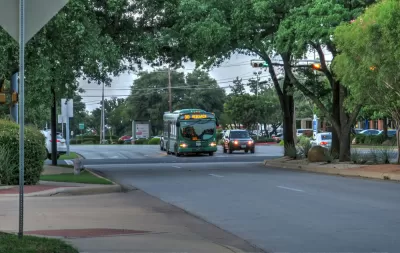
Dan Keshet provides an update on Project Connect in Austin—a transit planning effort "to build a high-frequency, high-capacity, fast-running base for Austin’s transit system."
Keshet attended a recent open house for Project Connect, at which several options in routes were presented to the public.
The Orange Line consists of a Northern segment running from Tech Ridge down Lamar and Guadalupe into downtown then down South Congress to Slaughter Lane. The Blue Line starts at ACC Highland, runs through the UT campus to downtown then turns southeast along Riverside to the Airport. However, there are still some choices to make.
Keshet also points out a few key planning questions that still have to be decided by planners and the public. Keshet also offers an opinion for a path forward on each of these big remaining questions.
FULL STORY: How Big Should Project Connect Go?

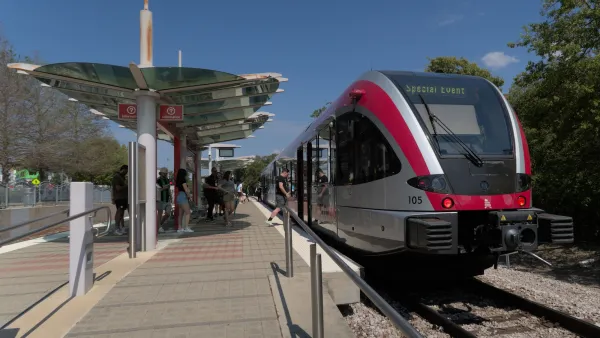
Austin's Project Connect has shrunk to less than half its proposed length — at a higher cost
A highly anticipated light rail project is quickly diminishing in scope as costs soar.
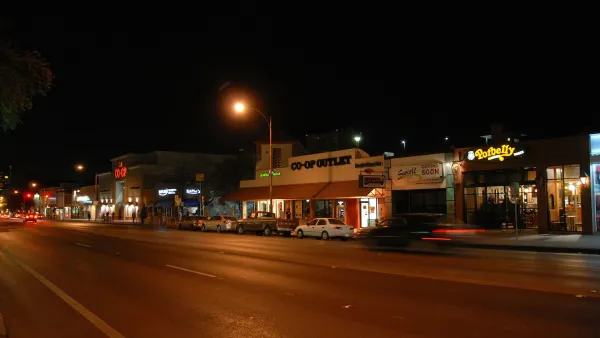
How Project Connect Would Change ‘The Drag’
A popular — and sometimes deadly — Austin road will exchange car lanes for light rail.
Texas State Bills Could Kill Transit Funding in Dallas, Austin
State lawmakers could pull funding from the state’s largest transit agency and the ambitious Project Connect, a voter-approved transit project in Austin.

The state-sanctioned urbicide of Austin
People don’t kill cities. Freeways do.

US to reduce Colorado River water deliveries to Mexico
A new Colorado Treaty amendment reduces Mexico’s Colorado River water allocation by 250,000 acre feet.

New Jersey’s second-largest city bans standalone data centers
Jersey City will continue to allow co-location facilities, such as those meant for research institutions that store their own data.

Amtrak not solely to blame for New Jersey commuter rail's unreliability, report finds
A new study from the Garden State Initiative found that NJ Transit’s budget grew 20% across a 4 year period, but reliability declined significantly over the same period.

EPA erases limits on planet-warming pollution from power plants
Under Monday’s plan, power plants would still have some limits on how much mercury, arsenic and other contaminants they can emit.

Phoenix announces new on-demand transit service, more frequent RAPID buses
Both new services will launch in October, and are part of Phoenix's Project Effective Access Solutions for Easing Congestion.

FREE Course: Walkable City 1: Why Walkability?
After describing his path towards focusing on walkability as the essence of good planning, Jeff Speck marches through his five principal reasons for making more walkable places.
Reinventing Malls: Planning Alchemy—Turning Gray Fields Into Gold
The course focuses on the opportunities and imperatives that shape reinvention of mall sites.

Eagle County Government
Harvard University Graduate School of Design
Nashville Planning Department
The Architects Foundation
University of Cincinnati Online
The Pocatello Development Authority
The Urban Renewal Agency of the City of Pocatello
Journal of the American Planning Association