Conversations about radically overhauling parking regulations in New York City, as the Big Apple is surprisingly behind the times when it comes to innovative approaches to parking.


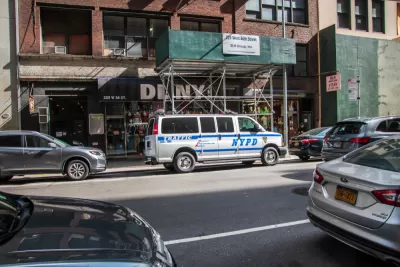
Stephen Nessen reports that Ed Pincar, Manhattan borough commissioner of the New York City Department Of Transportation, has hinted at the potential demise of the city's long-standing parking regulation regime.
"New York City has about 3 million parking spaces, the majority of those cost drivers no money," explains Nessen for context. "But that could soon change. City officials are starting to recognize the costs and losses of giving away free curb space."
So in comments made to a public board meeting on the subject of residential parking permits, Pincap dropped this bombshell:
“If the last 10 years was focused on trying to develop a series of tools for safer streets, I think curb management is going to be the theme for the next 10 years,” Pincar said at Tuesday’s CB7 meeting. “Particularly as technology improves, it would be great if there were different spots on a block that are charged different amounts and maybe have different times.”
The conversation is in the earliest possible stages, but there's plenty of evidence to suggest that free parking isn't actually free, as noted by Nessen in the article. Still, the city has a long way to go to correct their parking regulations. "For the general public to accept the idea that street parking and curb use should be charged at a rate, will take a major cultural shift," writes Nessen to conclude the article.
FULL STORY: Is This The Beginning Of The End For Free Parking In NYC?

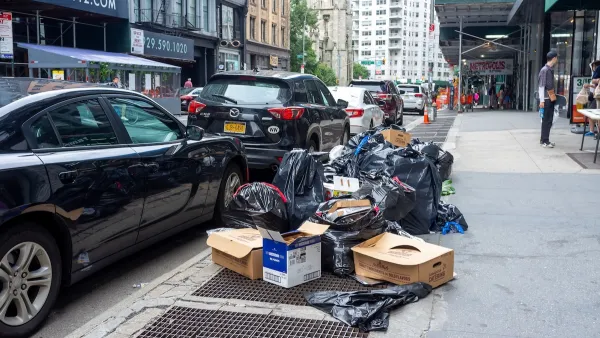
NYC Launches ‘Smart Curbs’ Program
The pilot program on the Upper West Side will remove some curbside parking spots to replace them with public seating, bike racks, and delivery zones.
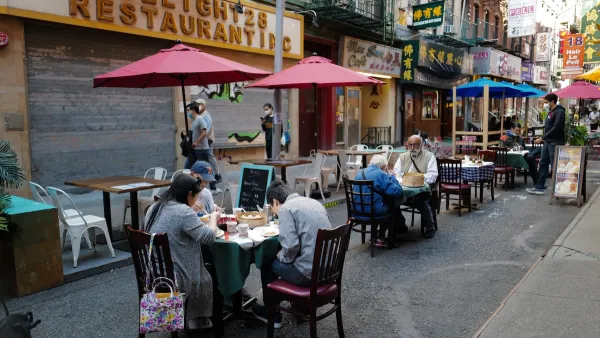
NYC Losing Many Outdoor Dining Areas Due to Expensive New Regulations
Restaurant owners say the city’s new outdoor dining program makes it too difficult and expensive to operate al fresco setups.
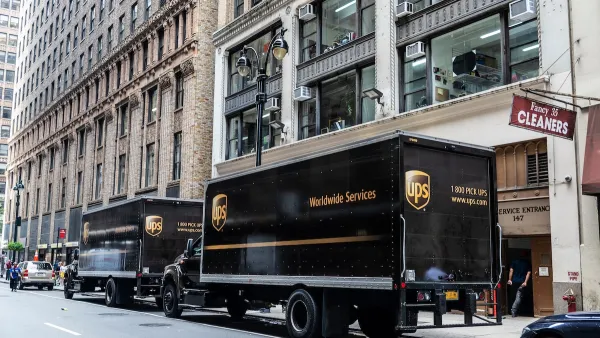
State of Curbs & Parking Report Reveals Glut of Data
As the uses of curb space become more diverse, city officials are working to understand how to best manage this increasingly important urban amenity.

The state-sanctioned urbicide of Austin
People don’t kill cities. Freeways do.

US to reduce Colorado River water deliveries to Mexico
A new Colorado Treaty amendment reduces Mexico’s Colorado River water allocation by 250,000 acre feet.

New Jersey’s second-largest city bans standalone data centers
Jersey City will continue to allow co-location facilities, such as those meant for research institutions that store their own data.

Amtrak not solely to blame for New Jersey commuter rail's unreliability, report finds
A new study from the Garden State Initiative found that NJ Transit’s budget grew 20% across a 4 year period, but reliability declined significantly over the same period.

EPA erases limits on planet-warming pollution from power plants
Under Monday’s plan, power plants would still have some limits on how much mercury, arsenic and other contaminants they can emit.

Phoenix announces new on-demand transit service, more frequent RAPID buses
Both new services will launch in October, and are part of Phoenix's Project Effective Access Solutions for Easing Congestion.

FREE Course: Walkable City 1: Why Walkability?
After describing his path towards focusing on walkability as the essence of good planning, Jeff Speck marches through his five principal reasons for making more walkable places.
Reinventing Malls: Planning Alchemy—Turning Gray Fields Into Gold
The course focuses on the opportunities and imperatives that shape reinvention of mall sites.

Eagle County Government
Harvard University Graduate School of Design
Nashville Planning Department
The Architects Foundation
University of Cincinnati Online
The Pocatello Development Authority
The Urban Renewal Agency of the City of Pocatello
Journal of the American Planning Association