The city’s parks are facing a crisis on the horizon resulting from a lack of maintenance and growing capital improvement needs.


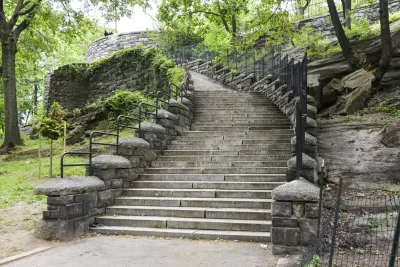
New York City parks will need significant repairs in coming years, reports Harry DiPrinzio. "Across the city’s older parks, elements like retaining walls, drainage systems and pathways are showing signs of age as many of them were built in the early 20th century."
The city’s most recent assets review indicates that the Parks Department needs $615.5 million in capital funding to address aging infrastructure. DiPrinzio says the piecemeal budgeting process makes it hard to gather funding for less visible, but much-needed and essential, structural projects.
Parks also need more capital improvements to prepare for the impact of growing climate change threats, especially higher temperatures and heavy rains. But the scope of the problem is even broader, notes DiPrinzio. "While there is a significant backlog of capital projects in need of funding, city wide, advocates say funding for routine maintenance through a yearly budget allocation is just as important."
Read the full story: Evidence of Growing Need for Capital in the City’s Aging Parks

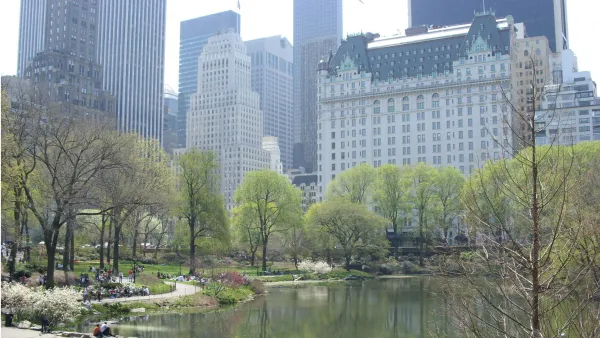
Opinion: Funding for N.Y.C. Parks Should Be a Priority
New York City parks are in desperate need of maintenance and infrastructure improvements, and the city should make investments now to support these essential public spaces.
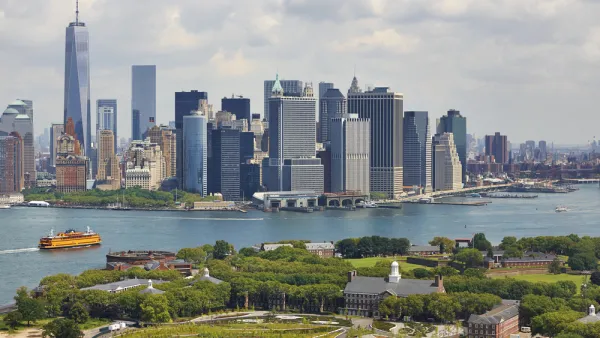
Proposal for the Future of New York's Governors Island
The island's 40-acre park is a recreational destination, but waterfront advocates would like to see more use of Governor Island's shoreline and maritime infrastructure.
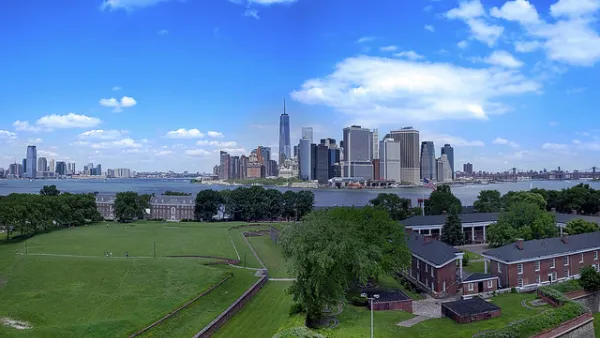
The State of New York City's Parks
A new report by the Center for an Urban Future signals the need for attention to the Big Apple's parks before they are beyond repair.

Planetizen Federal Action Tracker
A weekly monitor of how Trump’s orders and actions are impacting planners and planning in America.

California plans to bury El Niño’s downpour
If the state plays its cards right, it may be able to store a billion acre-feet of El Niño’s water in aquifers.

Desperate measures: Advocates weigh draining Lake Powell to fill Colorado River
Draining the reservoir could reduce evaporation losses by a couple hundred thousand acre-feet.

California city breaks ground on transit connector
The project includes three mobility hubs and a pedestrian bridge.

After public outcry, Massachusetts city releases housing development tracker
Cambridge’s tracker currently shows 250 housing projects in various stages of development.

40 years after approval, Chicago breaks ground on new park
The park honors Jean Baptiste Point du Sable, the city’s first permanent non-native settler.

FREE Course: Walkable City 1: Why Walkability?
After describing his path towards focusing on walkability as the essence of good planning, Jeff Speck marches through his five principal reasons for making more walkable places.
Reinventing Malls: Planning Alchemy—Turning Gray Fields Into Gold
The course focuses on the opportunities and imperatives that shape reinvention of mall sites.

City of Rosemead
Rutgers University, Edward J. Bloustein School of Planning and Public Policy
One Hundred Miles
Hunter College, City University of New York (CUNY)
The Architects Foundation
University of Cincinnati Online
City of Cambridge
Montrose County
The Pocatello Development Authority