The approval of a 200-bed shelter for detained immigrant shelter will require zoning approvals from the D.C. Board of Zoning Appeals.



Martin Austermuhle reports:
A proposed 200-bed shelter in D.C. to house detained immigrant children is likely to face a number of legal and regulatory obstacles from city officials and residents, including a possible public zoning hearing and legislative attempts to prohibit such a large facility from getting a license to operate to begin with.
Dynamic Service Solutions, a Maryland-based contractor, has received a $20.5 million contract from the U.S. Department of Health and Human Services to operate the shelter in D.C. for undocumented and unaccompanied immigrant kids aged 12 to 17.
The shelter would located on Laurel Street NW in the Takoma neighborhood, adds Austermuhle, less than a block from the border with Maryland. The building will require approval from the city’s Board of Zoning Adjustment (BZA). The article includes details on the expected approval process and the controversy that will likely surround the proposal.
FULL STORY: Controversial Proposed D.C. Shelter For Detained Immigrant Kids Faces Barrage Of Challenges


Beverly Hills Put On Blast for High-Rise Approval Delay
The Newsom administration sent a letter warning Beverly Hills that their failure to process an application for a residential high-rise is a violation of state housing law

L.A. Law Exempts Affordable Housing From Time-Consuming Review Process
Affordable housing and other qualifying projects will no longer be subject to Site Plan Review under a law signed by the city’s mayor last week.
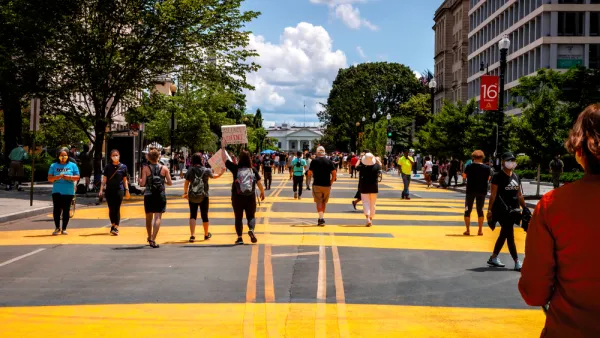
D.C. Revamps its Vision Zero Plan to Eliminate Traffic Fatalities
Washington, D.C. was an early adopter of Vision Zero in the United States, but eventually it became emblematic of the country's lack of progress in reducing traffic collisions.

The state-sanctioned urbicide of Austin
People don’t kill cities. Freeways do.

US to reduce Colorado River water deliveries to Mexico
A new Colorado Treaty amendment reduces Mexico’s Colorado River water allocation by 250,000 acre feet.

New Jersey’s second-largest city bans standalone data centers
Jersey City will continue to allow co-location facilities, such as those meant for research institutions that store their own data.

Amtrak not solely to blame for New Jersey commuter rail's unreliability, report finds
A new study from the Garden State Initiative found that NJ Transit’s budget grew 20% across a 4 year period, but reliability declined significantly over the same period.

EPA erases limits on planet-warming pollution from power plants
Under Monday’s plan, power plants would still have some limits on how much mercury, arsenic and other contaminants they can emit.

Phoenix announces new on-demand transit service, more frequent RAPID buses
Both new services will launch in October, and are part of Phoenix's Project Effective Access Solutions for Easing Congestion.

FREE Course: Walkable City 1: Why Walkability?
After describing his path towards focusing on walkability as the essence of good planning, Jeff Speck marches through his five principal reasons for making more walkable places.
Reinventing Malls: Planning Alchemy—Turning Gray Fields Into Gold
The course focuses on the opportunities and imperatives that shape reinvention of mall sites.

Eagle County Government
Harvard University Graduate School of Design
Nashville Planning Department
The Architects Foundation
University of Cincinnati Online
The Pocatello Development Authority
The Urban Renewal Agency of the City of Pocatello
Journal of the American Planning Association