Faced with rapidly deteriorating pedestrian safety statistics, Montgomery County in Maryland is getting to work on a new Pedestrian Plan, following closely on the heels of work completed for the county's Bicycle Master Plan.


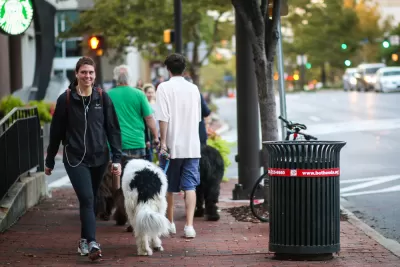
The Montgomery County Planning Department is launching a multi-year pedestrian planning effort, according to an article by Caitlyn Peetz.
The Pedestrian Master Plan that will result will complement the Bicycle Master Plan approved by the county last year, according to Peetz.
Similar to the process used to generate the Bicycle Master Plan, planners will perform a "comfort analysis" of the county's pedestrian infrastructure, assessing "each street’s pedestrian experience including factors like the street’s speed limit and sidewalk width," according to Peetz. "Then, planners will develop what is expected to be a lengthy list of recommendations to improve roads, from adding crosswalks to installing more lights at intersections."
The plan can come soon enough, according to Peetz, as vehicle collisions involving pedestrians increased by 14 percent so far this as compared to the same time period last year.
FULL STORY: County Analyzing Streets for ‘Pedestrian Comfort’ and Safety

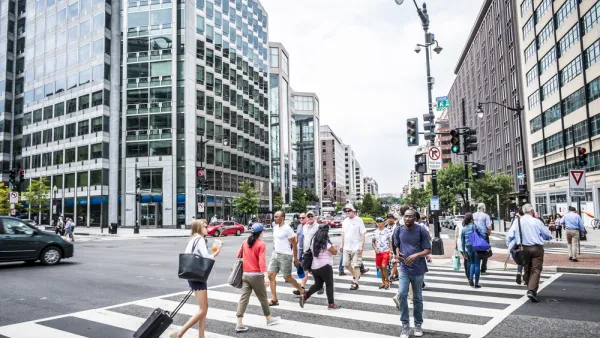
Resources for Safe, Convenient Pedestrian and Bike Infrastructure
Despite the stated goals of state and federal agencies to encourage active modes of transportation, there's still a long way to go to make sure that all cities and communities have safe, convenient sidewalks and bike lanes.
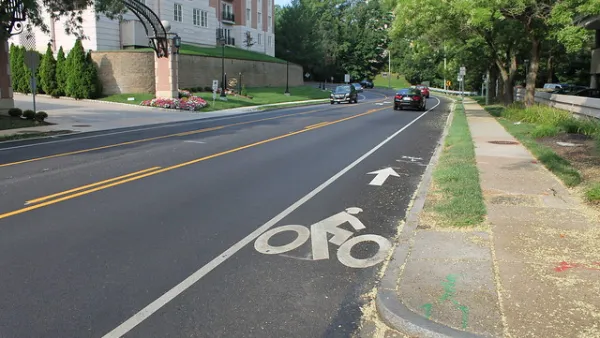
On Foot: Planners Complete Street Safety Inventory One Step at a Time
Before drafting a new Pedestrian Master Plan for Montgomery County, planners are creating a detailed inventory of street conditions by walking every single one fo the county's roads and streets.
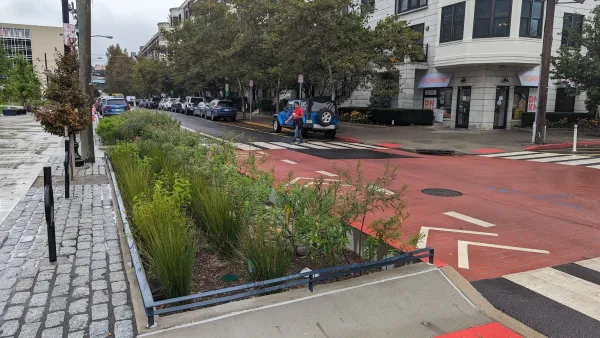
Hoboken's $20 Vision Zero fix
The New Jersey city eliminated traffic deaths for the last nine years in a row.

Planetizen Federal Action Tracker
A weekly monitor of how Trump’s orders and actions are impacting planners and planning in America.

The state-sanctioned urbicide of Austin
People don’t kill cities. Freeways do.

US to reduce Colorado River water deliveries to Mexico
A new Colorado Treaty amendment reduces Mexico’s Colorado River water allocation by 250,000 acre feet.

5 New England states march closer to 800 megawatt wind energy project
Securing federal approval for the project may be complicated under the Trump administration, which has historically been hostile towards domestic wind power.

Baltimore to break ground on $50 million Transit Priority Project
The project will bring faster bus trips, safer streets and better bike connections to Baltimore.

Airbnb launches $250 million 'last-dollar financing' housing accelerator, makes first investment in Austin
The company will put $6.4 million towards affordable housing development in Texas’ capital.

FREE Course: Walkable City 1: Why Walkability?
After describing his path towards focusing on walkability as the essence of good planning, Jeff Speck marches through his five principal reasons for making more walkable places.
Reinventing Malls: Planning Alchemy—Turning Gray Fields Into Gold
The course focuses on the opportunities and imperatives that shape reinvention of mall sites.

Eagle County Government
Harvard University Graduate School of Design
Nashville Planning Department
The Architects Foundation
University of Cincinnati Online
The Pocatello Development Authority
The Urban Renewal Agency of the City of Pocatello
Journal of the American Planning Association