The scooters contribute to a more diverse mobility landscape, but the environmental impacts of producing and maintaining them need to be reduced.


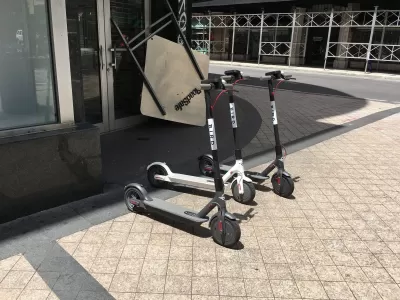
Bird scooters are zero-emission vehicles, but the company faces a sustainability conundrum that it says it wants to address. While the scooters offer an alternative to driving, pollution is generated while collecting the scooters, energy is required to charge them, and their short lifespan means they need to be replaced often.
"But [Bird] is trying to cut those emissions; today, the company announced that it’s buying renewable energy credits and carbon offsets to mitigate the energy used to deliver and charge its scooters," reports Adele Peters.
The company says it is also working to make the scooters more durable. "Some reports have suggested that electric scooters last only about a month or two before they need to be replaced, which would mean the company was using an enormous amount of resources to replace those car trips," notes Peters.
FULL STORY: How Bird is working to make its scooters a truly sustainable transportation option

FTA Allows Changes to Low or No Emission Grant Proposals
Grant recipients can change their proposals from zero-emission to low-emission projects, a move the FTA says will offer more flexibility to cities and transit providers.

Paris Is Great, But Here's Where the Green Mobility Revolution Is Happening
A movement toward sustainable mobility is taking place across Europe, not just in the City of Lights.
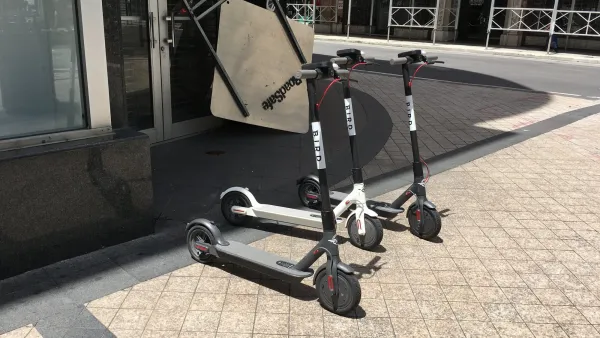
Bird Scooters Now Automatically Slow in High-Activity Areas
Years after cities first started trying to regulate electric scooters with geofences and designated parking areas, Bird will begin automatically lowering scooter speeds in pedestrian-dense areas like school zones and hospitals.

The state-sanctioned urbicide of Austin
People don’t kill cities. Freeways do.

US to reduce Colorado River water deliveries to Mexico
A new Colorado Treaty amendment reduces Mexico’s Colorado River water allocation by 250,000 acre feet.

New Jersey’s second-largest city bans standalone data centers
Jersey City will continue to allow co-location facilities, such as those meant for research institutions that store their own data.

Amtrak not solely to blame for New Jersey commuter rail's unreliability, report finds
A new study from the Garden State Initiative found that NJ Transit’s budget grew 20% across a 4 year period, but reliability declined significantly over the same period.

EPA erases limits on planet-warming pollution from power plants
Under Monday’s plan, power plants would still have some limits on how much mercury, arsenic and other contaminants they can emit.

Phoenix announces new on-demand transit service, more frequent RAPID buses
Both new services will launch in October, and are part of Phoenix's Project Effective Access Solutions for Easing Congestion.

FREE Course: Walkable City 1: Why Walkability?
After describing his path towards focusing on walkability as the essence of good planning, Jeff Speck marches through his five principal reasons for making more walkable places.
Reinventing Malls: Planning Alchemy—Turning Gray Fields Into Gold
The course focuses on the opportunities and imperatives that shape reinvention of mall sites.

Eagle County Government
Harvard University Graduate School of Design
Nashville Planning Department
The Architects Foundation
University of Cincinnati Online
The Pocatello Development Authority
The Urban Renewal Agency of the City of Pocatello
Journal of the American Planning Association