Everything we thought we knew about Millennials was wrong.



A millennial born after 1981 but before 1996 (according to the definition of Millennials used by the Pew Research Center) made a shocking confession this week.
"I was born in the suburbs," said the first lines of a social media post written by a Millennial on Tuesday. "And my parents are baby boomers," the post continued.
The confession has many experts heading back to the drawing board for new ideas on how to interpret Millennials. Conventional wisdom pegged Millennials as urban types, either too lazy to look up from their phones or perpetrating a massive grassroots movement to increase property taxes and ruin the neighborhood.
Further confusing the emerging, more nuanced narrative, other Millennials have since come forward with similarly outrageous admissions, like that they're adults, and that they've started their own families.
The Millennial also reports they are on good terms with their Baby Boomer parents, still enjoying numerous bonding activities throughout the year, hugging warmly, and saying "I love you" at the end of frequent phone calls.
Read the full story: Millennial Confesses: I Was Born in the Suburbs and My Parents Are Baby Boomers


Study Finds Seniors Could Be Stuck with Unsellable Homes in the Future
A new paper predicts that home-buying trends among younger generations will lead to a flood of homes that older homeowners will not be able to sell.
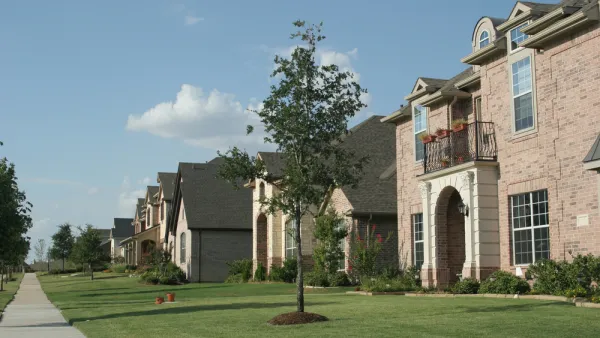
Affordable Housing Challenges in Beltway Suburbs
More people are moving to suburban counties, but a lack of affordable housing in places such as Loudon County, Virginia, means the suburbs are not an option for a growing number of people.
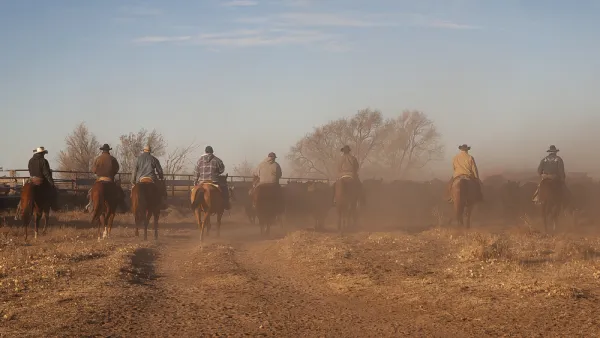
Tough Market for Luxury Ranches? Blame Generational Differences
Ranches aren't the only segment of the luxury market having a hard time selling at asking price.

Planetizen Federal Action Tracker
A weekly monitor of how Trump’s orders and actions are impacting planners and planning in America.

California plans to bury El Niño’s downpour
If the state plays its cards right, it may be able to store a billion acre-feet of El Niño’s water in aquifers.

Chicago breaks ground on $3 billion megadevelopment
The new neighborhood, titled Foundry Park, will one day host 3,700 residences.

California High-Speed Rail Authority CEO resigns after $600,000 scandal
Under Ian Choudri, the authority used taxpayer dollars to fund first class flights and trips to nightclubs.

Want to study the Missouri River? Soon, you may need unanimous approval from 10 states
Legislation would require 10 governors’ permission to study or build projects moving water outside the basin.

Desperate measures: Advocates weigh draining Lake Powell to fill Colorado River
Draining the reservoir could reduce evaporation losses by a couple hundred thousand acre-feet.

FREE Course: Walkable City 1: Why Walkability?
After describing his path towards focusing on walkability as the essence of good planning, Jeff Speck marches through his five principal reasons for making more walkable places.
Reinventing Malls: Planning Alchemy—Turning Gray Fields Into Gold
The course focuses on the opportunities and imperatives that shape reinvention of mall sites.

City of Rosemead
Rutgers University, Edward J. Bloustein School of Planning and Public Policy
One Hundred Miles
Hunter College, City University of New York (CUNY)
The Architects Foundation
University of Cincinnati Online
City of Cambridge
Montrose County
The Pocatello Development Authority