The Minneapolis City Council will consider initial mixed-use development plans for critical riverfront industrial site surrounded by a struggling residential neighborhood.


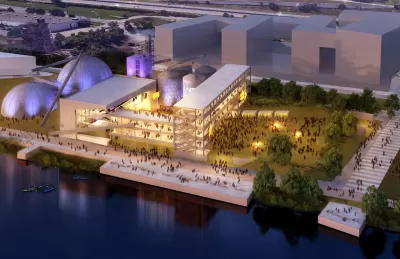
"On Friday, the Minneapolis City Council will vote on a massive plan to turn 48 acres of riverfront land into housing, businesses and an outdoor performance venue," reports Jessica Lee. "The project — the Upper Harbor Terminal — is city officials’ No. 1 construction priority right now."
With the City Council's vote forthcoming, Lee digs into details of the project, which is considered "critical" to the city's economic development plans. The site housed a barge shipping terminal until fears of invasive carp forced the facility to close in 2014.
The project site is surrounded by a federal Promise Zone and a city Green Zone. The surrounding residential areas are defined by median household incomes below the city and regional average.
The City Council will consider the project's "General Land-Use Concept" on Friday, which lays the groundwork for more detailed design and planning work to follow.
Lee provides additional details about the funding challenges facing the project, as well as the tough political path the plan had to arrive at this point in its evolution.
FULL STORY: Everything you need to know, for now, about Minneapolis’ Upper Harbor Terminal project

Minneapolis Riverfront Project Raises Issues of Equity
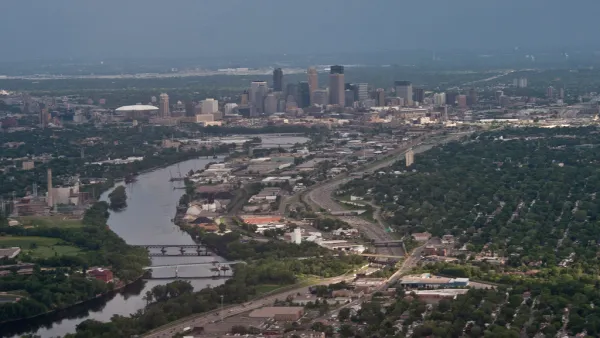
The Upper Harbor Terminal project is set to transform an area north of downtown, but residents are concerned about the long-term impacts and outcomes.
Stories of Big Box Redevelopment Success—After Years of Frustration
The Minneapolis area yields two case studies of troubled sites, home to big box retailers, finally rejoining the community.
Looking Back on 60 Years of Land Development in the Twin Cities
In 1960, about 12 percent of the Twin Cities metro's land was already developed. By 2020, about 34 percent had been developed. Many factors influenced how the region has changed since 1960.

The state-sanctioned urbicide of Austin
People don’t kill cities. Freeways do.

US to reduce Colorado River water deliveries to Mexico
A new Colorado Treaty amendment reduces Mexico’s Colorado River water allocation by 250,000 acre feet.

New Jersey’s second-largest city bans standalone data centers
Jersey City will continue to allow co-location facilities, such as those meant for research institutions that store their own data.

Amtrak not solely to blame for New Jersey commuter rail's unreliability, report finds
A new study from the Garden State Initiative found that NJ Transit’s budget grew 20% across a 4 year period, but reliability declined significantly over the same period.

EPA erases limits on planet-warming pollution from power plants
Under Monday’s plan, power plants would still have some limits on how much mercury, arsenic and other contaminants they can emit.

Phoenix announces new on-demand transit service, more frequent RAPID buses
Both new services will launch in October, and are part of Phoenix's Project Effective Access Solutions for Easing Congestion.

FREE Course: Walkable City 1: Why Walkability?
After describing his path towards focusing on walkability as the essence of good planning, Jeff Speck marches through his five principal reasons for making more walkable places.
Reinventing Malls: Planning Alchemy—Turning Gray Fields Into Gold
The course focuses on the opportunities and imperatives that shape reinvention of mall sites.

Eagle County Government
Harvard University Graduate School of Design
Nashville Planning Department
The Architects Foundation
University of Cincinnati Online
The Pocatello Development Authority
The Urban Renewal Agency of the City of Pocatello
Journal of the American Planning Association