More than two years into a 10-year plan, the city has installed only a fraction of planned bike lanes.


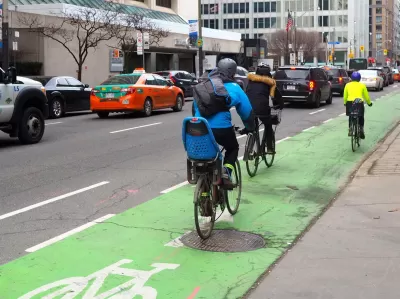
Ben Spurr reports on the status of Toronto’s Cycling Network 10 Year Plan, which the city council approved in 2016. Biking advocates say the city is not meeting the milestones needed to keep the plan on track.
The city has completed only about 6 percent of the almost 350 lane miles outlined in the plan. In addition, annual expenditures of the $153.5-million plan have been below target amounts. Last year, for example, investments should have totaled $16 million, but the city only spent $10 million.
City officials acknowledge that the plan is running behind schedule and say more staff is needed. They also say that the planning and implementation process takes time and that bike lane installations are often dependent on other road projects, which can face delays or rescheduling.
Still, bike advocates want to know why the city is not keeping up with a detailed project schedule that was part of the approved plan. In addition, critics say the city needs to prioritize corridor studies to identify bike lane sites on main arterials. "Councillor Joe Cressy, a vocal cycling advocate, said major streets need to be added back into the plan, otherwise the city will be confined to improving cycling routes on less-used residential streets," notes Spurr.
FULL STORY: City’s execution of 10-year bike plan ‘has not delivered on expectations,’ says advocate

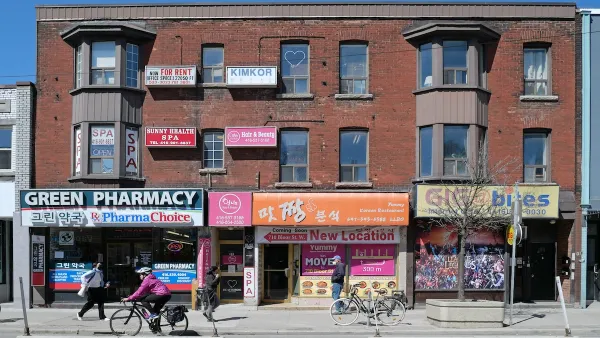
Ontario Judge Saves Toronto Bike Lanes
A court order bars the provincial government from removing bike lanes, saying the decision would make roads more dangerous and fail to reduce congestion.
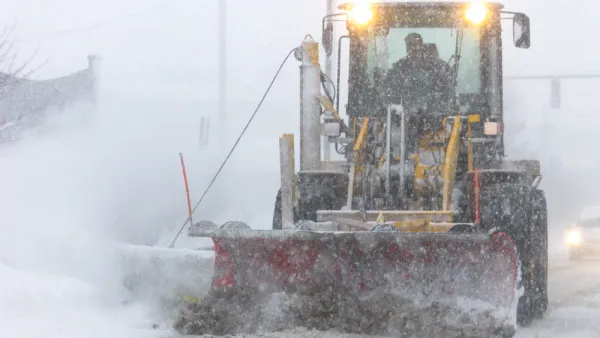
Editorial: Toronto’s Snow Clearing Plan Isn’t Fair
The city’s plan for dealing with snow and ice on sidewalks this winter doesn't address past problems and won't meet the needs of residents, say critics.
Toronto Sets More Ambitious Climate Change Goals
The city is considering a proposal to reduce greenhouse gas emissions even more by aiming for carbon neutrality by 2050.

Planetizen Federal Action Tracker
A weekly monitor of how Trump’s orders and actions are impacting planners and planning in America.

The state-sanctioned urbicide of Austin
People don’t kill cities. Freeways do.

US to reduce Colorado River water deliveries to Mexico
A new Colorado Treaty amendment reduces Mexico’s Colorado River water allocation by 250,000 acre feet.

5 New England states march closer to 800 megawatt wind energy project
Securing federal approval for the project may be complicated under the Trump administration, which has historically been hostile towards domestic wind power.

Baltimore to break ground on $50 million Transit Priority Project
The project will bring faster bus trips, safer streets and better bike connections to Baltimore.

Airbnb launches $250 million 'last-dollar financing' housing accelerator, makes first investment in Austin
The company will put $6.4 million towards affordable housing development in Texas’ capital.

FREE Course: Walkable City 1: Why Walkability?
After describing his path towards focusing on walkability as the essence of good planning, Jeff Speck marches through his five principal reasons for making more walkable places.
Reinventing Malls: Planning Alchemy—Turning Gray Fields Into Gold
The course focuses on the opportunities and imperatives that shape reinvention of mall sites.

Eagle County Government
Harvard University Graduate School of Design
Nashville Planning Department
The Architects Foundation
University of Cincinnati Online
The Pocatello Development Authority
The Urban Renewal Agency of the City of Pocatello
Journal of the American Planning Association