Toronto Mayor John Tory is intervening in transit plans with a call to speed up spending and the construction timeline for the relief line, designed to relieve crowding on the city's subway system in the urban core.


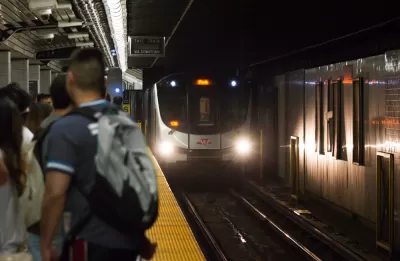
"[Toronto] Mayor John Tory says city and TTC staff have found a way to speed up construction of the relief line by at least two years, a proposal that would mean the long-awaited subway project could open by 2029," reports Ben Spurr.
"The proposal to speed up construction of the line would require accelerating design work, property acquisition and utility relocation, and starting procurement for equipment and contracts required for tunneling," adds Spurr. "TTC staff said construction on early works for the line could begin as early as 2020."
The first phase of the relief line would connect the eastern end of Line 2 at Pape to Line 1 at Queen St. in Downtown Toronto. The line would span 7 kilometers and cost an estmaited $6.8 billion (Canadian dollars), according to Spurr's description of the project.
The announcement is set against the political backdrop of recent efforts by Ontario’s Progressive Conservative government, led by Premier Rob Ford, to take over the TTC subway system.
FULL STORY: Tory says subway relief line construction could be sped up by two years, open by 2029

Cost Estimates Nearly Double for Toronto Light Rail Plan
Cost estimate for Toronto's proposed Eglinton East LRT have ballooned from $2.3 billion to as much as $4.4 billion.
Toronto Extends its Subway for the First Time in 15 Years
Fanfare, a full slate of politicians, and a day of free rides celebrated the opening of the extended Line 1 of the TTC subway system. There was also criticism of the new extension.
One Rail System to Ring the Bay Area? Supporters See Reasons for Optimism
A plan to integrate the various regional transit providers in the San Francisco Bay Area could be the key to winning back transit riders in the post-pandemic world.

Planetizen Federal Action Tracker
A weekly monitor of how Trump’s orders and actions are impacting planners and planning in America.

The state-sanctioned urbicide of Austin
People don’t kill cities. Freeways do.

US to reduce Colorado River water deliveries to Mexico
A new Colorado Treaty amendment reduces Mexico’s Colorado River water allocation by 250,000 acre feet.

Baltimore to break ground on $50 million Transit Priority Project
The project will bring faster bus trips, safer streets and better bike connections to Baltimore.

Airbnb launches $250 million 'last-dollar financing' housing accelerator, makes first investment in Austin
The company will put $6.4 million towards affordable housing development in Texas’ capital.

Guerilla urbanists are building DIY bus stop benches in Chicago
A before-and-after of one of the bus stops with a new bench. The new benches are not officially sanctioned or permitted, but the residents who placed them hope they will be the start of a network of DIY benches across the city.

FREE Course: Walkable City 1: Why Walkability?
After describing his path towards focusing on walkability as the essence of good planning, Jeff Speck marches through his five principal reasons for making more walkable places.
Reinventing Malls: Planning Alchemy—Turning Gray Fields Into Gold
The course focuses on the opportunities and imperatives that shape reinvention of mall sites.

Eagle County Government
Harvard University Graduate School of Design
Nashville Planning Department
The Architects Foundation
University of Cincinnati Online
The Pocatello Development Authority
The Urban Renewal Agency of the City of Pocatello
Journal of the American Planning Association