Virginia designed a promising way to bolster coastal areas vulnerable to sea-level rise. But it was never funded.


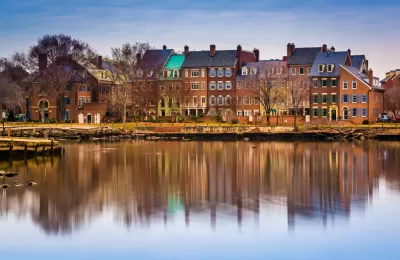
Peter Coutu reports in Governing on efforts to fund a unique climate resilience program in Virginia.
The Virginia Shoreline Resiliency Fund was a "first-of-its-kind" loan program when approved in 2016, Coutu writes, but it is a legislative shell—existing on the books but never receiving dedicated funding. He writes:
"Instead of just trying to mitigate current flood damage, the new revolving fund would help homeowners and businesses elevate their properties to prepare for sea level rise ... It would not only save residents a fortune on their property, but also maintain ever-important tax revenues for local governments on the coast."
Now, Virginia Conservation Network, a group of more than 100 environmental organizations, is calling on the state to dedicate $50 million annually to the fund. The region is especially vulnerable to climate change because the land is subsiding while the sea is rising, they say, and the program would help bolster resilience without losing government money.
Read the full story: Virginia Started a Unique Climate Change Fund. 2 Years Later, It's Empty.

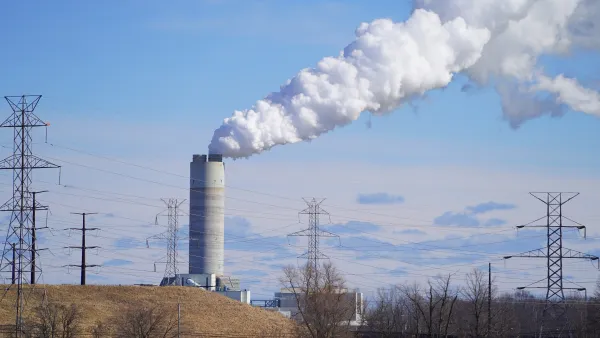
EPA erases limits on planet-warming pollution from power plants
Under Monday’s plan, power plants would still have some limits on how much mercury, arsenic and other contaminants they can emit.

Climate change is battering US water systems
The American Water Works Association estimates that roughly $2 trillion will be needed to update municipal water systems for contemporary conditions.
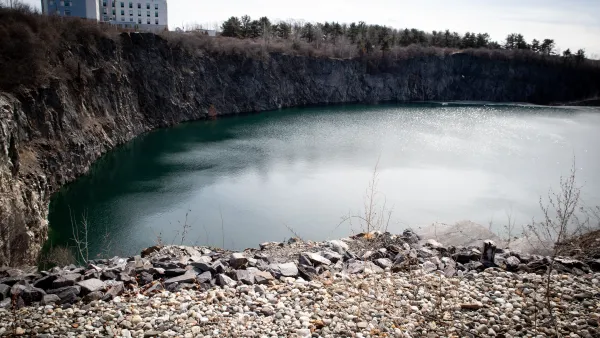
Maine’s booming quarry industry is sending disruptive shockwaves into homes
Climate change has caused sea level rise, flooding and erosion along the coast of Maine, leading to a trend of coastal residents erecting or repairing stone walls.

Planetizen Federal Action Tracker
A weekly monitor of how Trump’s orders and actions are impacting planners and planning in America.

The state-sanctioned urbicide of Austin
People don’t kill cities. Freeways do.

Colorado’s Largest Data Center Could Rise Next to Homes — Without a Public Hearing
The proposed campus would consume 11 times the power of Denver International Airport; as it has across the country, opposition mounts.
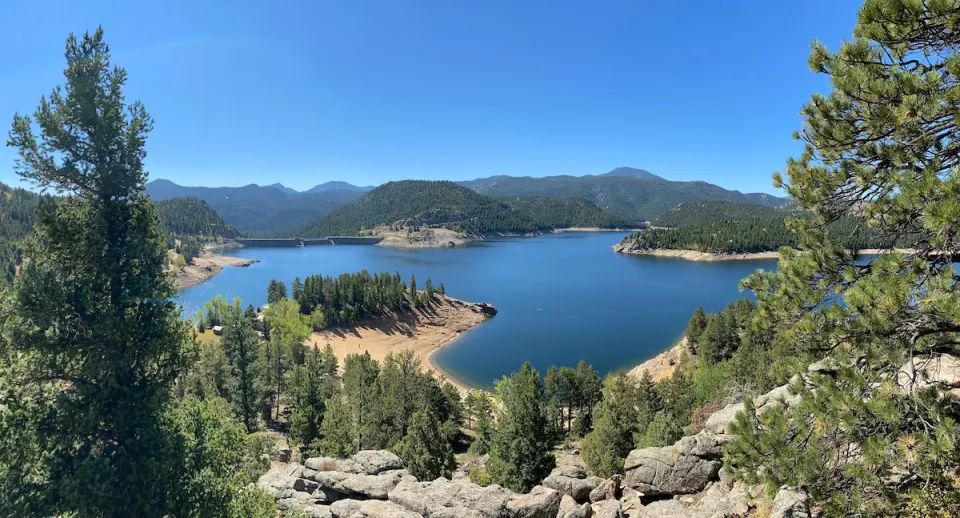
Judges permit Denver to divert 77,000 acre feet from the Colorado River for reservoir expansion
Overuse and climate change have caused the Colorado River’s water levels to plummet.

Amtrak, CN end decades-long dispute with eight-year agreement
The new operating agreement establishes an updated framework for the companies to work together, including processes to resolve disputes.

Raised interest rates may kill financially vulnerable construction projects
The chief economist at ConstructConnect warns that if construction project owners are negatively impacted by the raised rates, it could result in delayed payments to contractors.

FREE Course: Walkable City 1: Why Walkability?
After describing his path towards focusing on walkability as the essence of good planning, Jeff Speck marches through his five principal reasons for making more walkable places.
Reinventing Malls: Planning Alchemy—Turning Gray Fields Into Gold
The course focuses on the opportunities and imperatives that shape reinvention of mall sites.

Greater Baltimore Committee
Eagle County Government
Harvard University Graduate School of Design
The Architects Foundation
University of Cincinnati Online
The Pocatello Development Authority
The Urban Renewal Agency of the City of Pocatello
Journal of the American Planning Association