A new governor and State Legislature will be faced with increasing pressure on public transportation infrastructure and the need to change the state's approach to public transit, according to the Columbus Dispatch.


An editorial by the Columbus Dispatch examines the transit challenges facing the incoming political leadership in Ohio, as the races for governor and State Legislature seats heat up.
"In recent months, a coalition led by highway and trucking interests has been preparing to lobby Ohio’s next governor and legislature for major new investments in the transportation system," according to the editorial. Their concerns include a federal gas tax that hasn't increased since 1993, expiring proceeds from the Ohio Turnpike bonds, and the Trump administration pushing for state and local governments to shoulder more of the transportation funding burden.
"All of this means Ohio’s next governor and legislature, not far into 2019, will be asked to consider increasing Ohio’s gasoline tax, license fees and — most likely — a ballot issue to authorize a major bond package," according to the editorial.
All of the pressure to fund highway and road improvements is headed for a collision with the state's "traditional neglect of mass transit."
FULL STORY: Editorial: Transit challenges face next governor and legislature

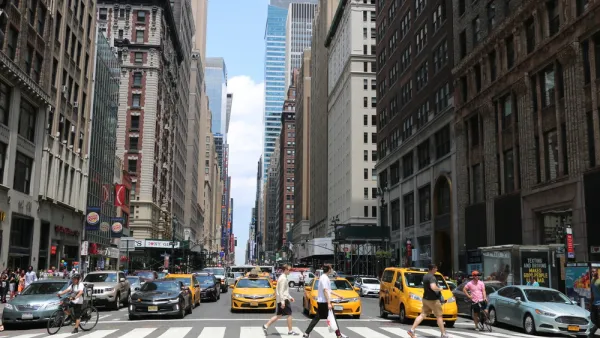
Breaking News: New York State Ready to Embrace Congestion Pricing, Finally
The New York State Legislature is preparing to reverse over a decade of reluctance regarding congestion pricing, according to reports from Albany.

Trump Administration Proposes to Divert Billions from Mass Transit to Highways; Advocates Sound Alarm
Two proposals from the Trump DOT would eliminate a federal mass transit fund and make it harder for states to allocate funding to transit projects.
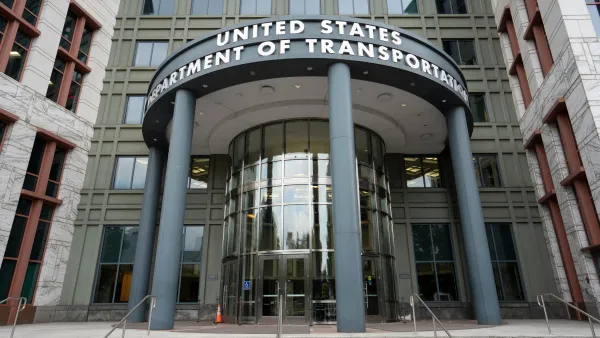
Federal Judge Rules Trump Can’t Tie Transportation Funding to Immigration Policy
The judge said the administration did not offer “any plausible connection” between transportation projects and immigration enforcement.

The state-sanctioned urbicide of Austin
People don’t kill cities. Freeways do.

US to reduce Colorado River water deliveries to Mexico
A new Colorado Treaty amendment reduces Mexico’s Colorado River water allocation by 250,000 acre feet.

New Jersey’s second-largest city bans standalone data centers
Jersey City will continue to allow co-location facilities, such as those meant for research institutions that store their own data.

Amtrak not solely to blame for New Jersey commuter rail's unreliability, report finds
A new study from the Garden State Initiative found that NJ Transit’s budget grew 20% across a 4 year period, but reliability declined significantly over the same period.

EPA erases limits on planet-warming pollution from power plants
Under Monday’s plan, power plants would still have some limits on how much mercury, arsenic and other contaminants they can emit.

Phoenix announces new on-demand transit service, more frequent RAPID buses
Both new services will launch in October, and are part of Phoenix's Project Effective Access Solutions for Easing Congestion.

FREE Course: Walkable City 1: Why Walkability?
After describing his path towards focusing on walkability as the essence of good planning, Jeff Speck marches through his five principal reasons for making more walkable places.
Reinventing Malls: Planning Alchemy—Turning Gray Fields Into Gold
The course focuses on the opportunities and imperatives that shape reinvention of mall sites.

Eagle County Government
Harvard University Graduate School of Design
Nashville Planning Department
The Architects Foundation
University of Cincinnati Online
The Pocatello Development Authority
The Urban Renewal Agency of the City of Pocatello
Journal of the American Planning Association