Life is different in Pontevedra.



"Miguel Anxo Fernández Lores has been mayor of the Galician city [of Pontevedra] since 1999. His philosophy is simple: owning a car doesn’t give you the right to occupy the public space," writes Stephen Burgen.
“How can it be that the elderly or children aren’t able to use the street because of cars?” asks César Mosquera, the city’s head of infrastructures. “How can it be that private property – the car – occupies the public space?”
After describing the program of pedestrianization Mayor Fernández implemented after his election, Burgen lists the benefits of the program to the economy, environment, and quality of life of the city:
The benefits are numerous. On the same streets where 30 people died in traffic accidents from 1996 to 2006, only three died in the subsequent 10 years, and none since 2009. CO2 emissions are down 70%, nearly three-quarters of what were car journeys are now made on foot or by bicycle, and, while other towns in the region are shrinking, central Pontevedra has gained 12,000 new inhabitants. Also, withholding planning permission for big shopping centres has meant that small businesses – which elsewhere have been unable to withstand Spain’s prolonged economic crisis – have managed to stay afloat.
Read the full story: 'For Me, This is Paradise': Life in the Spanish City that Banned Cars

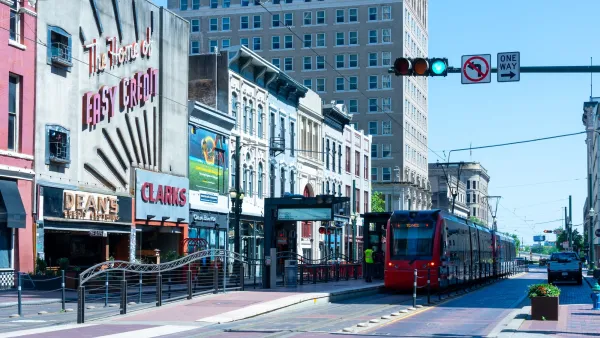
Houston's pedestrian promenade on track to be ready for World Cup crowds
The city is transforming seven downtown blocks along a light rail line into a car-free zone focused on outdoor dining and entertainment.

Rick Steves on Walkability Lessons From Europe
Many of Europe’s pedestrian-friendly, transit-rich cities weren’t always that way.

What Will Become of Fifth Avenue?
Visitors to the iconic shopping street overwhelmingly arrive by walking, transit, or bike. Why are bike and pedestrian infrastructure improvement lagging so far behind another famous NYC street, Broadway?

Planetizen Federal Action Tracker
A weekly monitor of how Trump’s orders and actions are impacting planners and planning in America.

Amtrak, CN end decades-long dispute with eight-year agreement
The new operating agreement establishes an updated framework for the companies to work together, including processes to resolve disputes.

Colorado’s Largest Data Center Could Rise Next to Homes — Without a Public Hearing
The proposed campus would consume 11 times the power of Denver International Airport; as it has across the country, opposition mounts.

'This is going to be painful:’ Virginia stares down $1.7 billion funding gap for highway maintenance
The state may address the deficit by shifting $290 million from its construction budget to maintenance projects.
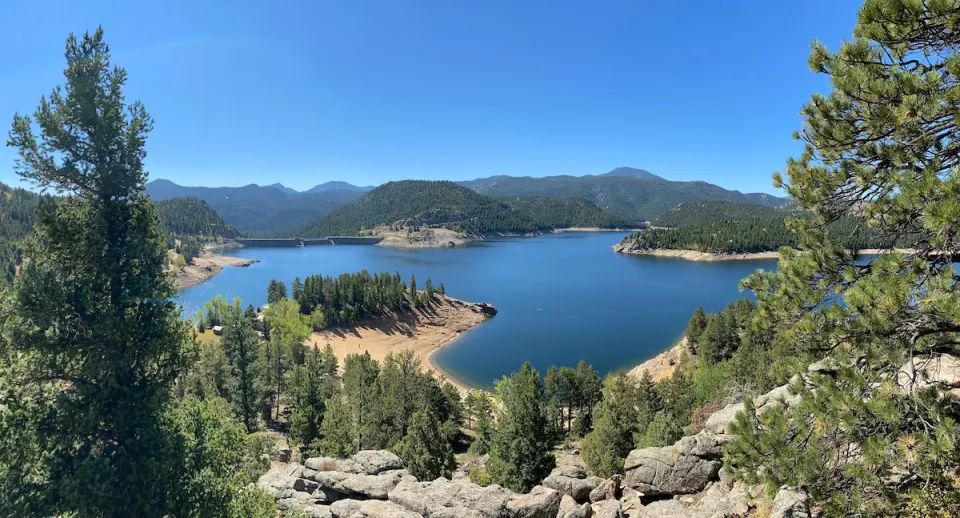
Judges permit Denver to divert 77,000 acre feet from the Colorado River for reservoir expansion
Overuse and climate change have caused the Colorado River’s water levels to plummet.

Amtrak, CN end decades-long dispute with eight-year agreement
The new operating agreement establishes an updated framework for the companies to work together, including processes to resolve disputes.

FREE Course: Walkable City 1: Why Walkability?
After describing his path towards focusing on walkability as the essence of good planning, Jeff Speck marches through his five principal reasons for making more walkable places.
Reinventing Malls: Planning Alchemy—Turning Gray Fields Into Gold
The course focuses on the opportunities and imperatives that shape reinvention of mall sites.

KFH Group Inc.
Greater Baltimore Committee
Eagle County Government
The Architects Foundation
University of Cincinnati Online
The Pocatello Development Authority
The Urban Renewal Agency of the City of Pocatello