Most cyclists would rather ride apart from vehicle traffic, but that preference is especially pronounced among women.


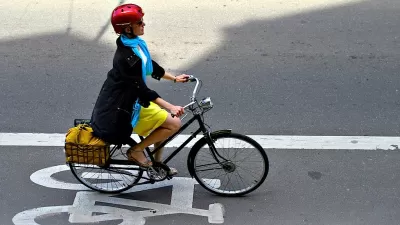
New research from the University of Birmingham in the UK shows that cyclists of all genders agree on high-level preferences and priorities: Trails through parks were identified as the preferred form of bike infrastructure, followed by curb-protected bike lanes. And perceptions of safety were a top factor in shape those preferences.
But further questions revealed that women had a stronger preference for separated bike infrastructure and were more inclined to chose safety over other advantages, Streetsblog's Angie Schmitt reports. Men, for example, were more willing to ride in the road in exchange for a more direct route or as they gained cycling experience.
A 2011 study in New York also found a particular preference among women for separated bike lanes. The findings reinforce the notion that safety concerns are a major factor in the cycling gender gap, Schmitt says.
FULL STORY: Survey: Women More Likely to Prefer Separated Bike Infrastructure

Oregon updates coastal bike map for the first time in a decade
The printed guide helps cyclists navigate the coastal region where cellular service can be unpredictable.
Trump has Slashed Over $750 Million From Bike and Walking Trail Projects
The Trump administration is pulling hundreds of millions allocated under the 2022 Inflation Reduction Act.
Hawaii’s Pearl Harbor Bike Path is Flooding More Often, Forcing Commuters Onto More Dangerous Roads
The 5-mile trail serves as a key bikeway for commuters connecting to local transit.

Planetizen Federal Action Tracker
A weekly monitor of how Trump’s orders and actions are impacting planners and planning in America.

The state-sanctioned urbicide of Austin
People don’t kill cities. Freeways do.

US to reduce Colorado River water deliveries to Mexico
A new Colorado Treaty amendment reduces Mexico’s Colorado River water allocation by 250,000 acre feet.

Airbnb launches $250 million 'last-dollar financing' housing accelerator, makes first investment in Austin
The company will put $6.4 million towards affordable housing development in Texas’ capital.

Guerilla urbanists are building DIY bus stop benches in Chicago
A before-and-after of one of the bus stops with a new bench. The new benches are not officially sanctioned or permitted, but the residents who placed them hope they will be the start of a network of DIY benches across the city.

Mamdani overhauls NYC's Vision Zero plan with 100 new policy goals
The overhaul aims to reduce traffic deaths and make streets safer for pedestrians, cyclists and drivers through lower speed limits, new safety infrastructure and more.

FREE Course: Walkable City 1: Why Walkability?
After describing his path towards focusing on walkability as the essence of good planning, Jeff Speck marches through his five principal reasons for making more walkable places.
Reinventing Malls: Planning Alchemy—Turning Gray Fields Into Gold
The course focuses on the opportunities and imperatives that shape reinvention of mall sites.

Eagle County Government
Harvard University Graduate School of Design
Nashville Planning Department
The Architects Foundation
University of Cincinnati Online
The Pocatello Development Authority
The Urban Renewal Agency of the City of Pocatello
Journal of the American Planning Association