Gender
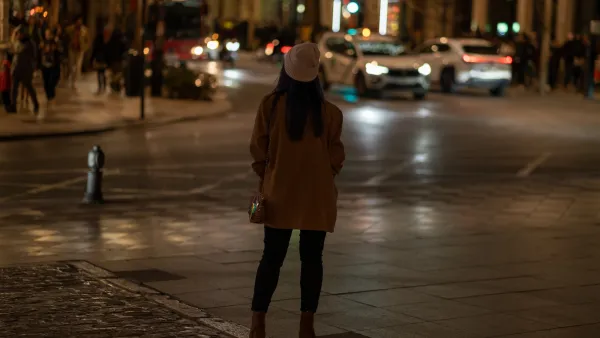
How urban design makes the world unsafe for women — and how we can change that
An industrial designer explains how cities, cars and other everyday items could better serve women.
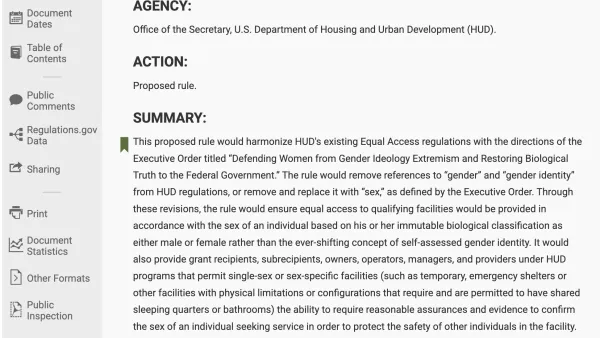
New HUD rule would remove gender from housing protections
The proposal in the federal registry would replace “gender” and “gender identity” with “sex” as defined by Trump’s January, 2025 executive order.

Shifting the Male Perspective on City Planning
Urban spaces and transportation system are largely designed and managed by men, but cities are starting to recognize the unique challenges women and children face.

NHTSA to Introduce New Female Crash Test Dummy
Modern crash test dummies have advanced features that account for different body types and genders, but government regulators have been slow to adopt the technology.
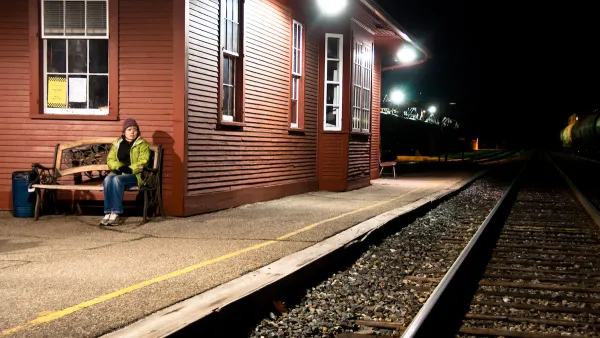
Turning a Gendered Lens on Transportation
People of different genders, ages, and abilities experience transportation differently. But policies aren’t designed that way.
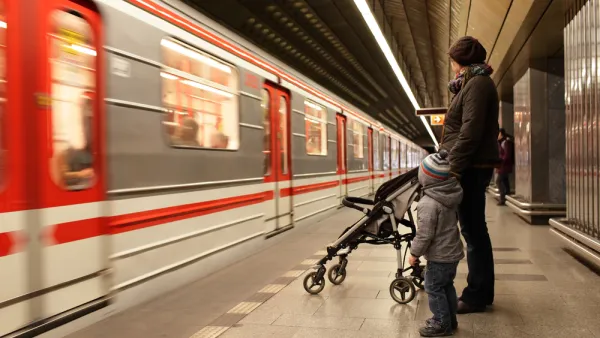
Improving Gender Equality with Urban Planning
“It's a man's world” is not just a saying. As much as we are surrounded by societal structures that contribute to gender discrimination, we are often also surrounded by physical infrastructure that is just as limiting.
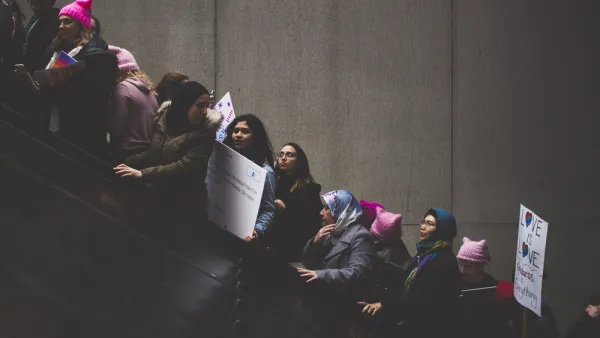
Breaking the Bias on Public Transport
How gender-sensitive data collection can make public transit safer for women.
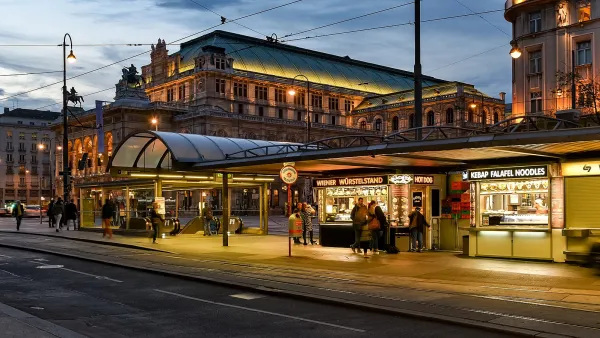
How a Feminist Perspective Can Make Cities Better for Everyone
An argument for embedding a feminist analysis into planning practice.

A Detailed Look at Women's Urban Experiences
In Feminist City, geographer Leslie Kern describes the often invisible ways in which cities are unwelcome to women. It's an essential look at the urban gender divide, and it passionately calls for gender equity in the planning profession.
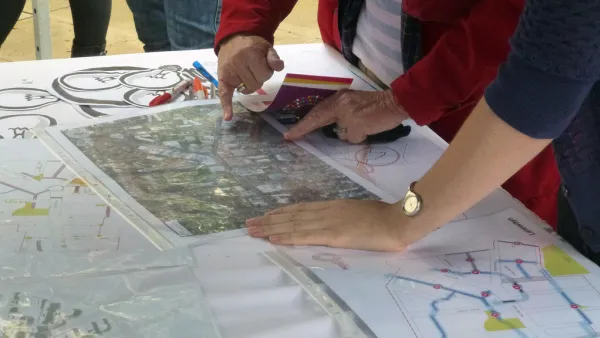
Study Reveals Gender Dynamics of Professional Planning Practice
A new study published by the Journal of the American Planning Association details the gender dynamics of planning offices around the country, finding challenges with exclusive communication (i.e., shutting women out from workplace communication).
The Case for Gender Mainstreaming in Transportation Planning
Like the curb cut effect achieved by the Americans With Disabilities Act, which benefitted a much larger cross-section of the population than the legislation originally intended, gender mainstreaming could multiply benefits in the public realm.

Even With Higher Cycling Rates in the Twin Cities, Gender Gap Persists
Twice as many men as women commute by bike in Minneapolis-St. Paul, and the likely reasons are varied.
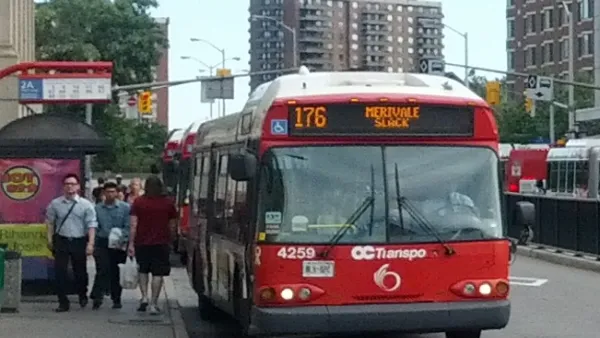
Gender, Climate Change, and Transit Decision Makers
A member of Ottawa’s city council says transit commissioners should support women’s rights and believe that climate change is real.
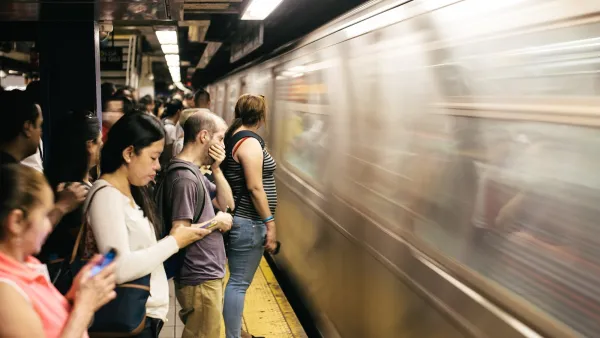
Transportation’s 'Pink Tax' Is a Cost Burden on Women
When women don’t feel safe using transit, they use other modes and end up paying the price.
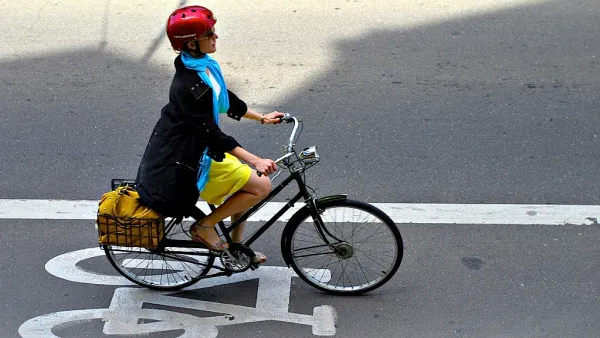
Survey: Women Opt for Safer Bike Infrastructure
Most cyclists would rather ride apart from vehicle traffic, but that preference is especially pronounced among women.

Op-Ed: Pay Equity in Architecture Is Just a Math Problem
Unlike other measures of value, writes Jeanne Gang, pay is a number. And that should make it easy for architecture firms to address any existing wage gaps.
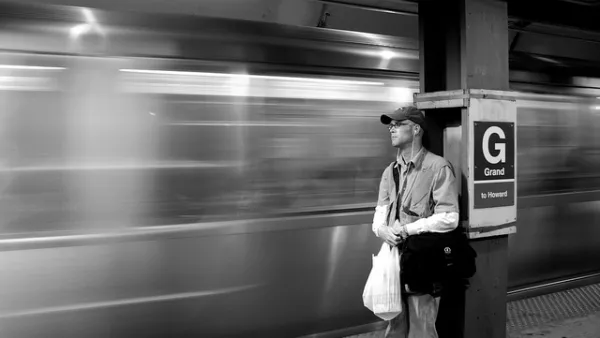
Does Planning Around Commutes Overvalue Men's Needs?
A UK blogger argues that transportation infrastructure planning is informed too heavily by the kinds of trips men tend to make.
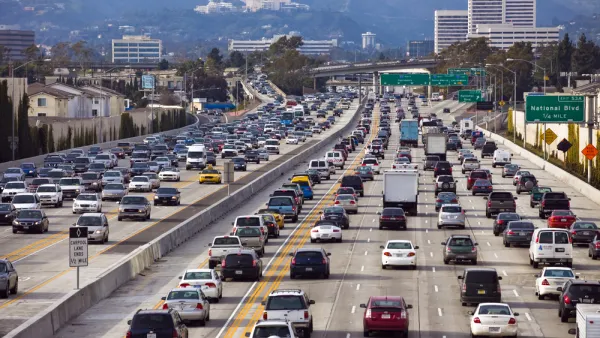
Women Spend More Time in Traffic Than Men
On average, women spend longer in traffic than men—perhaps because of the gendered division of labor that still exists in many households.
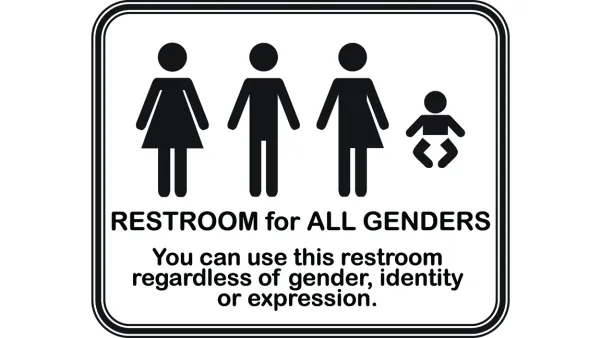
Gender Neutral Bathrooms Designs Respond to Controversial North Carolina Law
While the Justice Department and North Carolina duke it out over proper access to bathrooms, many places, including the White House, have designed gender-neutral bathrooms that address many of the problems associated with sex-segregated bathrooms.
Is BBC's Architecture Mini-Series Biased Against Women?
The BBC is in hot water over alleged gender bias in its mini-series "The Brits Who Built the Modern World."

FREE Course: Walkable City 1: Why Walkability?
After describing his path towards focusing on walkability as the essence of good planning, Jeff Speck marches through his five principal reasons for making more walkable places.
Reinventing Malls: Planning Alchemy—Turning Gray Fields Into Gold
The course focuses on the opportunities and imperatives that shape reinvention of mall sites.

City of Thousand Oaks
City of Wisconsin Rapids
Harvard University Graduate School of Design
The Architects Foundation
University of Cincinnati Online
The Pocatello Development Authority
The Urban Renewal Agency of the City of Pocatello