When women don’t feel safe using transit, they use other modes and end up paying the price.


A new report from New York University’s Rudin Center for Transportation says women in New York City travel differently because of harassment and safety concerns on public transit and, as a result, spend more on monthly travel than men.
When women choose to use alternative travel modes, particularly at night, the added cost results in a “pink tax,” according to the report. Researchers found the median extra travel cost ranged from $26 to $50 a month.
“The cost burden falls even more heavily on people who take care of children—and research suggests that about three-quarters of the people doing that today are mothers,” reports Aarian Marshall. In addition to the challenges of traveling with children or elderly relatives, caregivers spend an additional $26 to $50 on travel.
“The most worrying question is this: What opportunities are women missing because they can’t get around the city safely or cheaply?” asks Marshall. The report offers various recommendations, including improved transit and for-hire vehicle safety, better training for first responders, and more women in leadership positions in transit agencies.
FULL STORY: THE PINK TRANSIT TAX: WOMEN SPEND MORE THAN MEN TO GET AROUND NYC

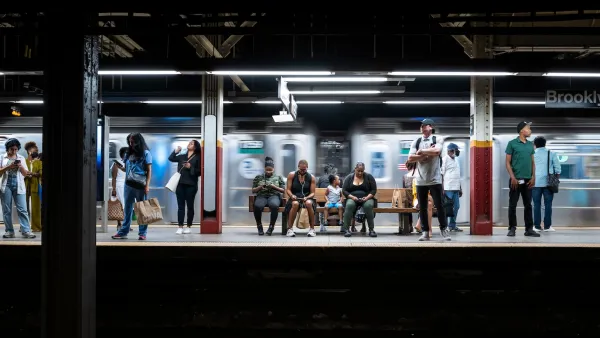
NYC Subway Had its Safest Year in Almost 20 Years — and Riders Noticed
A majority of passengers say they feel safe on trains and in stations.
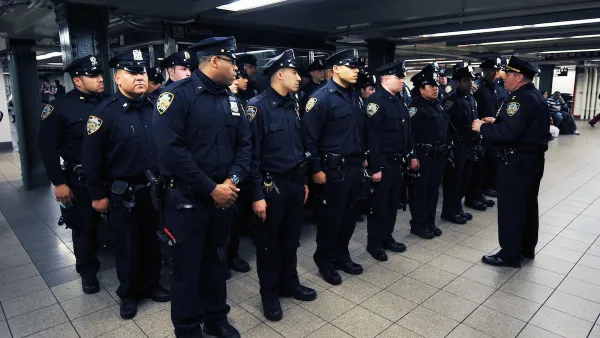
Feds Deny NYC ‘Every Dollar’ of Transit Security Funding Due to ‘Sanctuary’ Status
DHS denied the MTA its request for funding under the Transit Security Grant Program despite the administration’s concern with transit safety.
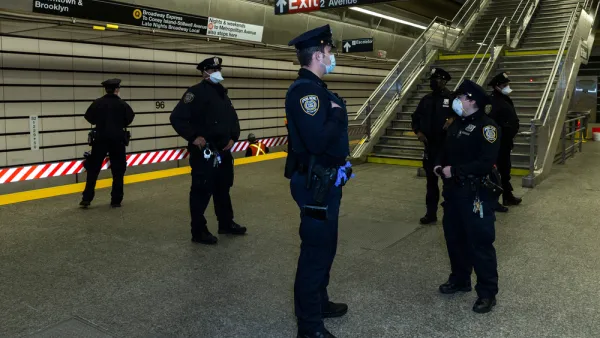
Safety Concerns Driving Riders Away From Transit
Public transit systems in major U.S. cities are struggling to restore their image after rising crime rates led to heightened security concerns among riders.

The state-sanctioned urbicide of Austin
People don’t kill cities. Freeways do.

US to reduce Colorado River water deliveries to Mexico
A new Colorado Treaty amendment reduces Mexico’s Colorado River water allocation by 250,000 acre feet.

New Jersey’s second-largest city bans standalone data centers
Jersey City will continue to allow co-location facilities, such as those meant for research institutions that store their own data.

Amtrak not solely to blame for New Jersey commuter rail's unreliability, report finds
A new study from the Garden State Initiative found that NJ Transit’s budget grew 20% across a 4 year period, but reliability declined significantly over the same period.

EPA erases limits on planet-warming pollution from power plants
Under Monday’s plan, power plants would still have some limits on how much mercury, arsenic and other contaminants they can emit.

Phoenix announces new on-demand transit service, more frequent RAPID buses
Both new services will launch in October, and are part of Phoenix's Project Effective Access Solutions for Easing Congestion.

FREE Course: Walkable City 1: Why Walkability?
After describing his path towards focusing on walkability as the essence of good planning, Jeff Speck marches through his five principal reasons for making more walkable places.
Reinventing Malls: Planning Alchemy—Turning Gray Fields Into Gold
The course focuses on the opportunities and imperatives that shape reinvention of mall sites.


Eagle County Government
Harvard University Graduate School of Design
Nashville Planning Department
The Architects Foundation
University of Cincinnati Online
The Pocatello Development Authority
The Urban Renewal Agency of the City of Pocatello
Journal of the American Planning Association