With $2.5 billion in new transit funding generated by a half-cent sales tax, Atlanta has choices about the future of its public transit systems. One advocate says investments should target economic mobility for low-income communities.


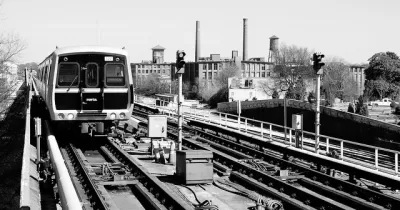
Che Watkins, president and CEO of the Center for Working Families, makes the case for transit investments as a key tool for reducing poverty by improving access to jobs.
Watkins pens the opinion piece in context of the ongoing public comment period for the More MARTA plan, which will chart a path for $2.5 billion over the next 40 years generated by the half-cent sales tax approved by voters in 2016.
"I truly hope that specific attention has been paid when designing the plan, not just on getting people to their favorite restaurant or concert, but also has an eye towards equity when it comes to underserved communities," writes Watkins. "I hope that the plan considers: Where are the additional jobs that can be accessed and what kinds of jobs are they? Are they in Midtown, Buckhead or Downtown and are higher income jobs or will there be improved access to jobs for entry level and mid-level positions?"
Read the full story: More MARTA Can Increase Access To Jobs, Equality


Why Gwinnett County Rejected a Transit Tax Again
Coronavirus and a heavy rail project doomed a transit sales tax in Gwinnett County, Georgia, according to this election post-mortem.
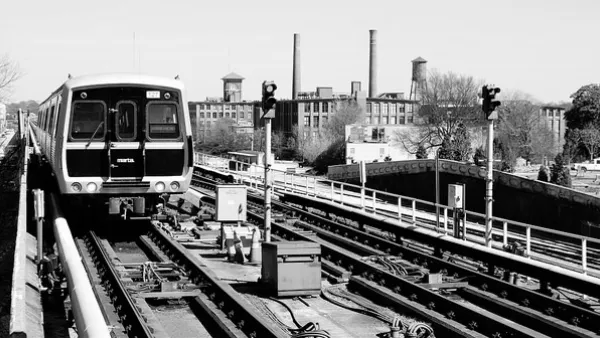
Transit Sales Tax Hinges on Local Control in Suburban Atlanta
Gwinnett County voters living have rejected proposals to pay taxes for the MARTA transit system before, so the latest proposal for a transit sales tax is going to great lengths to prove its local control bonafides.
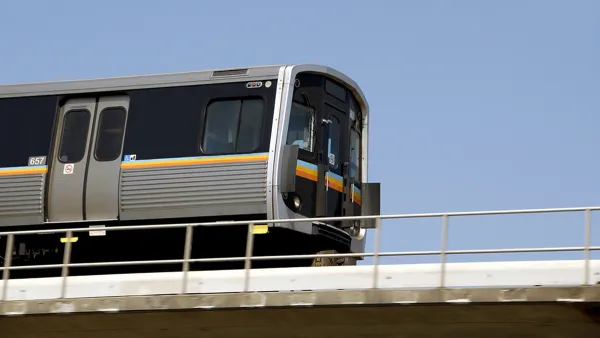
The More MARTA Plan Has a Plan
After a public engagement process and a political process played out in 2018, MARTA and the city of Atlanta can now focus on what gets built, when, according to the $2.7 billion More MARTA capital investment plan.

Planetizen Federal Action Tracker
A weekly monitor of how Trump’s orders and actions are impacting planners and planning in America.

California plans to bury El Niño’s downpour
If the state plays its cards right, it may be able to store a billion acre-feet of El Niño’s water in aquifers.

Chicago breaks ground on $3 billion megadevelopment
The new neighborhood, titled Foundry Park, will one day host 3,700 residences.

Satanic place names
From streams and lakes to valleys and canyons, I mapped more than 1,000 places named after the Devil.

California High-Speed Rail Authority CEO resigns after $600,000 scandal
Under Ian Choudri, the authority used taxpayer dollars to fund first class flights and trips to nightclubs.

Want to study the Missouri River? Soon, you may need unanimous approval from 10 states
Legislation would require 10 governors’ permission to study or build projects moving water outside the basin.

FREE Course: Walkable City 1: Why Walkability?
After describing his path towards focusing on walkability as the essence of good planning, Jeff Speck marches through his five principal reasons for making more walkable places.
Reinventing Malls: Planning Alchemy—Turning Gray Fields Into Gold
The course focuses on the opportunities and imperatives that shape reinvention of mall sites.

City of Rosemead
Rutgers University, Edward J. Bloustein School of Planning and Public Policy
One Hundred Miles
Hunter College, City University of New York (CUNY)
The Architects Foundation
University of Cincinnati Online
City of Cambridge
Montrose County
The Pocatello Development Authority